The Unspoken Truth: Voters' Complicity in Britain's Social Challenges
In the heart of Margate, Kent, a mini roundabout painted with red lines to evoke the St George's flag stands as a symbolic backdrop to a deeper national conversation. It's a stark reminder of the tensions simmering beneath the surface of British society. While populist movements, particularly on the right, thrive on blaming an ever-expanding roster of enemies for social ills, a critical examination reveals a more uncomfortable reality: voters themselves bear significant responsibility for the frayed state of the nation.
Populism's Selective Blame and Voter Hypocrisy
Populism, in both its rightwing and leftwing manifestations, has gained traction by pointing fingers at perceived adversaries—from urban elites and immigrants to diversity officers and net zero advocates. This approach resonates in an era of widespread democratic discontent, where traditional centrist politics is often viewed as insincere. However, this narrative conveniently omits a crucial element: the role of populist voters in driving the very trends they decry.
Consider the decline of pubs and high streets, the struggles of small farmers, the retreat of Christianity, and the fracturing of traditional family structures. These social shifts are largely propelled by changes in consumer habits and social norms, in which supporters of rightwing populism actively participate. From preferring foreign goods to embracing online lifestyles, these voters are complicit in the transformations they claim to oppose.
The Political Disappearing Act of Reform UK
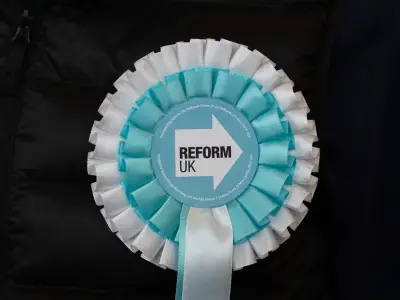
Reform UK, with its traditionalist and xenophobic vision, presents itself as a rebellion against a so-called "uniparty" establishment. Yet, this portrayal magically erases the contributions of key figures like Nigel Farage, Robert Jenrick, and Suella Braverman to the very issues they now criticize. Austerity measures, Brexit, and the "Boriswave" of immigration were all facilitated by these politicians, either directly through their roles in the Conservative Party or indirectly via strategic political maneuvers.
In the 2019 general election, a populist alliance between Tory nationalists and Farage's movements garnered 14.6 million votes, empowering leaders like Boris Johnson. Many of Reform UK's current supporters likely backed Johnson, inadvertently contributing to the border policies that now fuel their outrage. This cycle highlights how voters have sustained the political class they profess to dislike.
Democracy and the Avoidance of Responsibility
Democracy inherently allows voters to make choices without fully accepting accountability for the outcomes. With declining turnouts and a fragmented electorate, politicians are hesitant to suggest any voter fault in the country's challenges. During recent campaigns, terms like "hero voters" have been used to describe defectors, reflecting a deferential attitude that avoids critical scrutiny.
To counter rightwing populism effectively, there must be a broader acknowledgment of the multifaceted factors behind Britain's problems. While inadequate leadership, poor governance, and media focus on scandals have played roles, pretending that the public is blameless—as consumers and voters—perpetuates a caricature that suits populist narratives of elite betrayal.
The Cynicism of Populist Rhetoric
Reform UK's talk of representing "the great British people" is deeply cynical, as it excludes those who disagree politically or are deemed illegitimate citizens. This rhetoric falsely promotes a myth of national unity, contradicting populism's own emphasis on social conflict. Even more extreme reactionary movements, while claiming to despise modern Britain, remain entwined with its globalized economy and diverse workforce.
In essence, rightwing populists often accuse immigrants of taking without contributing, yet this critique more accurately describes their own participation in societal changes. As Britain grapples with its identity and future, recognizing voter complicity is essential for moving beyond simplistic blame games and fostering genuine solutions.