US Lawmakers Launch Bipartisan Effort to Block Trump's Tariffs on European Allies
In a significant political development, lawmakers from both major American parties have pledged legislative action to prevent Donald Trump's threatened tariffs against European allies. The move comes as some Republicans break ranks with the former president over his controversial stance on Greenland.
Legislative Measures Against Tariff Threats
Senator Peter Welch, a prominent Democrat, has revealed plans to introduce a resolution specifically designed to terminate the tariffs Trump threatened to impose over the weekend. These proposed tariffs target eight European countries, including crucial NATO allies such as Denmark, the United Kingdom, Germany, and France.
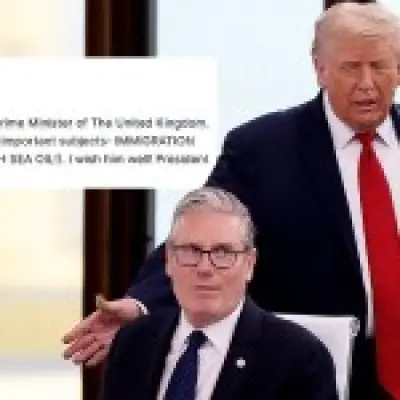
The president initially floated the idea of these tariffs during a White House roundtable discussion on Friday. He subsequently elaborated on his threat with specific details, proposing a 10% levy starting in February that would escalate to 25% by June. This escalation would occur unless an agreement is reached for what Trump described as the "Complete and Total purchase of Greenland."

Political Dynamics and Republican Divisions
The question of whether sufficient Republican lawmakers will break with Trump to make any legislative measure viable remains central to this political drama. Thus far, vocal opposition has emerged from a small but notable group of GOP senators who have expressed concerns about the potential consequences.
Senator Thom Tillis, a soon-to-retire Republican from North Carolina, characterized the tariff threat as "bad for America, bad for American businesses, and bad for America's allies." He went further, suggesting the move would benefit adversaries like Putin and Xi who seek to divide NATO.
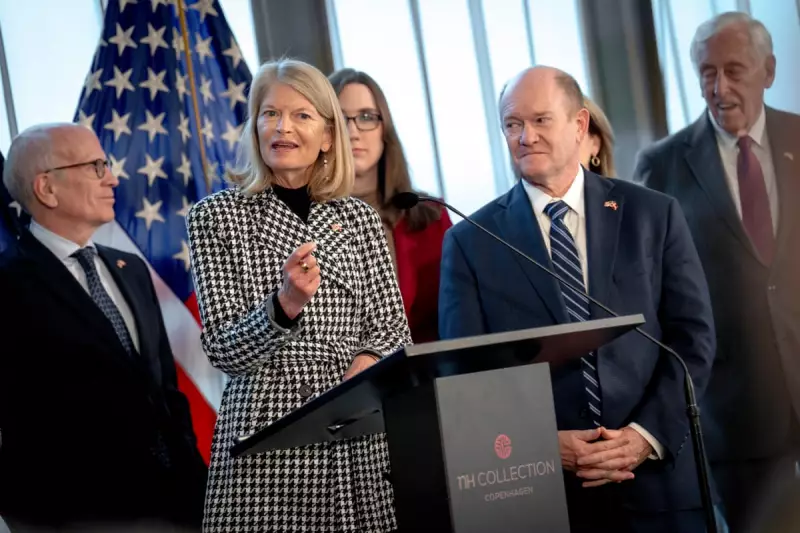
Senator Lisa Murkowski, a Republican from Alaska who participated in a bipartisan delegation to Denmark, described the proposed tariffs as "a profound mistake." She emphasized the importance of viewing Greenland as an ally rather than "an asset" in international relations.
International Reactions and Diplomatic Tensions
The legislative push follows a bipartisan congressional delegation that traveled to Denmark and Greenland over the weekend, led by Democratic Senator Chris Coons. The delegation aimed to reassure Danish and Greenlandic officials of continued US support during these escalating tensions.
In Copenhagen, Coons expressed hope that Danes would not "abandon their faith in the American people" despite the current political climate. He firmly stated, "Greenland is a part of Denmark. Denmark is our NATO ally. That should be the end of this discussion."
Danish Prime Minister Mette Frederiksen issued a stark warning that a US takeover of Greenland would effectively spell the end of NATO. Meanwhile, Greenland's Prime Minister Jens-Frederik Nielsen made his position clear at a recent news conference, stating simply: "We choose Denmark."
Legislative Mechanisms and Political Challenges
A joint resolution of disapproval under the International Emergency Economic Powers Act would block the tariffs if it passes both chambers of Congress. However, Trump could potentially veto such a measure, requiring lawmakers to secure a two-thirds majority in both the House and Senate to override him. This represents a significant political hurdle that would necessitate substantial Republican defections.
Representative Gregory Meeks, the ranking Democrat on the House Foreign Affairs Committee, has announced he will also offer a resolution to terminate the tariffs. Senate Minority Leader Chuck Schumer has indicated that Democrats plan to introduce legislation with binding authority to address the situation.
Broader Implications and Future Developments
Democrats will have another opportunity this week to assess Republican willingness to constrain Trump's military posturing when the House votes on a resolution to limit intervention in Venezuela, where the president has also issued threats.
Senator Jeanne Shaheen, a Democrat, warned that the Greenland situation "undermines NATO at a time when our adversaries seek to benefit from division." Her comments reflect broader concerns about the geopolitical implications of these tariff threats.

In Greenland itself, the escalating dispute has created genuine anxiety among the population. Senator Welch highlighted this concern in a video statement, noting that "people in Greenland are afraid: they are afraid that the United States is actually going to invade." He emphasized that the United States should be reassuring allies rather than threatening them.
The political landscape continues to evolve as lawmakers navigate the complex intersection of international relations, economic policy, and domestic politics in this unfolding diplomatic crisis.