The British government has unveiled a significant package of new economic sanctions against Iran, condemning the regime's violent response to widespread domestic protests which have led to hundreds of deaths and arrests.
Sanctions Target Vital Economic Sectors
Foreign Secretary Yvette Cooper told the House of Commons that the UK would bring forward legislation to implement "full and further sanctions and sectoral measures." The move represents a major escalation in diplomatic pressure.
The new measures are designed to strike at the heart of the Iranian economy. Finance, energy, transport, and software industries are among the key sectors to be targeted. Cooper stated these industries are advancing Iran's nuclear escalation, and the UK would work with EU and international partners to explore additional steps.

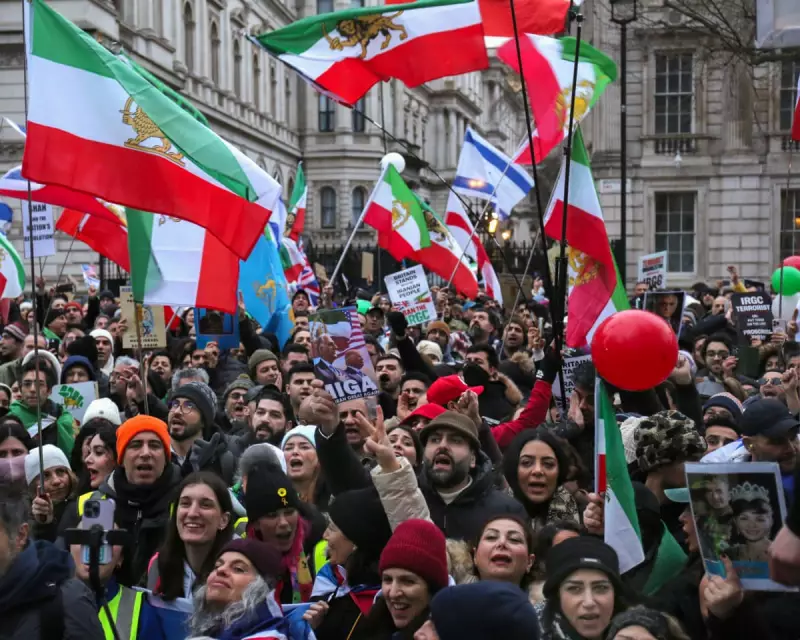
This announcement follows a large demonstration in Whitehall on Sunday, where protesters urged the UK government to support Iranians in their anti-government actions.
Diplomatic Rebuke and International Context
In a firm diplomatic gesture, the Foreign Office has summoned the Iranian ambassador to the UK over reports of the regime's brutal crackdown. Cooper revealed she had personally spoken to the Iranian foreign minister on Monday to express the UK's "total abhorrence of the killings, the violence, and the repression."
She forcefully rejected Tehran's narrative, labelling claims that the protests are driven by foreign instigation as "lies and propaganda." "The world is watching Iran," Cooper declared, "and the UK will continue to confront the regime’s lies, to call out its repression."
The UK's stance aligns with a growing international chorus. European Commission President Ursula von der Leyen pledged the EU would "swiftly" propose further sanctions. From the United States, former President Donald Trump urged Iranians to continue protesting, promising "help is on its way," and announced new tariffs on countries trading with Iran, a move that angered China.
Political Scrutiny and a Regime 'At the End'
The government's response faced scrutiny from the opposition benches. Shadow Foreign Secretary Priti Patel questioned why the Iranian ambassador was not summoned sooner and asked what message of hope was being sent to those risking their lives on Iran's streets.
The developments come as international figures question the regime's longevity. German Chancellor Friedrich Merz said he believed the Iranian government was in its "final days and weeks," arguing that a regime reliant solely on force is effectively at its end.
The UK's coordinated sanctions, diplomatic summons, and strong rhetoric mark a decisive step in holding the Iranian authorities to account for their internal crackdown, signalling sustained international attention on the crisis.