UK Stands Firm on Organ Trafficking Sentence
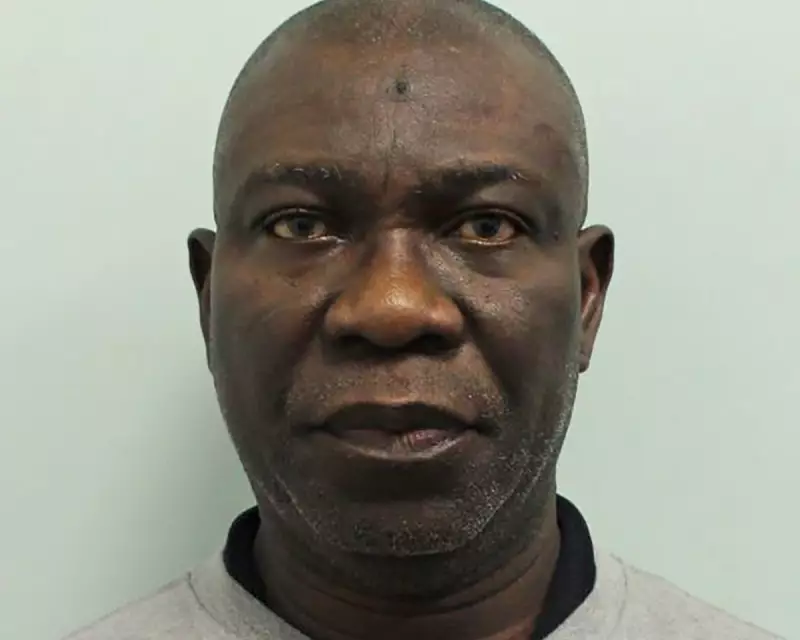
The British government has formally rejected a request from Nigerian authorities to deport a former senior politician convicted of organ trafficking in a landmark case. Ike Ekweremadu, 63, who previously served as deputy president of Nigeria's senate, is currently serving a nine-year, eight-month prison sentence for conspiring to exploit a man for his kidney.
The Groundbreaking Conviction
Ekweremadu's case marked the first conviction for organ trafficking under the Modern Slavery Act, setting a significant legal precedent in the United Kingdom. The former politician, his wife Beatrice, and their medical accomplice Dr Obinna Obeta were found guilty of trafficking a young man to London with the intention of harvesting his kidney for transplantation.
The intended recipient was Ekweremadu's daughter, Sonia, with the procedure scheduled to take place in a private unit of an NHS hospital. The conspirators falsely presented the victim as Sonia's cousin and claimed he had agreed to the transplant for £80,000.
Failed Deportation Request
Last week, a Nigerian government delegation led by Foreign Minister Yusuf Tuggar met with officials at the Ministry of Justice to discuss Ekweremadu's case. The delegation specifically requested his deportation to serve his remaining sentence in Nigeria.
However, a Ministry of Justice source has confirmed that the UK rejected this request due to concerns that Nigeria could not provide adequate guarantees that Ekweremadu would continue his prison sentence if deported. A government spokesperson declined to comment on individual prisoners but stated that any prisoner transfer would be at Britain's discretion following careful assessment of whether it would serve the interests of justice.
The UK's position was clear from an official source who stated: "The UK will not tolerate modern slavery and any offender will face the full force of UK law."
Wider Implications and Health System Vulnerabilities
The case exposed significant vulnerabilities in the UK's healthcare system regarding organ trafficking. In February 2022, the trafficked man was taken to the Royal Free Hospital's private renal unit in London, yet despite the conspirators bribing a medical secretary, the attempted transplant was ultimately rejected by the hospital in March 2022.
Alarmingly, medical staff did not report the suspicious incident to police. The plot was only uncovered when the victim, referred to in court as 'C', fled to authorities fearing for his life, believing he was being lined up for another transplant attempt in Nigeria.
The trial revealed that Dr Obeta had himself received a kidney transplant at the Royal Free in July 2021 from another man allegedly trafficked from Nigeria. Obeta received a ten-year sentence, with two-thirds required to be served in prison.
Beatrice Ekweremadu, who received a four-year, six-month sentence with half in custody, was released earlier this year and has since returned to Nigeria.
During sentencing, Mr Justice Jeremy Johnson described all three conspirators as participants in a "despicable trade" and noted that "the harvesting of human organs is a form of slavery" that treats human beings as commodities. He identified Ekweremadu as the "driving force" behind the scheme and noted his conviction represented "a very substantial fall from grace."
The Nigerian government's intervention in Ekweremadu's case has drawn criticism within Nigeria, particularly as authorities have not shown similar concern for more than 230 other Nigerian citizens currently imprisoned in the UK.