British Political Leaders Under Fire for War Stance
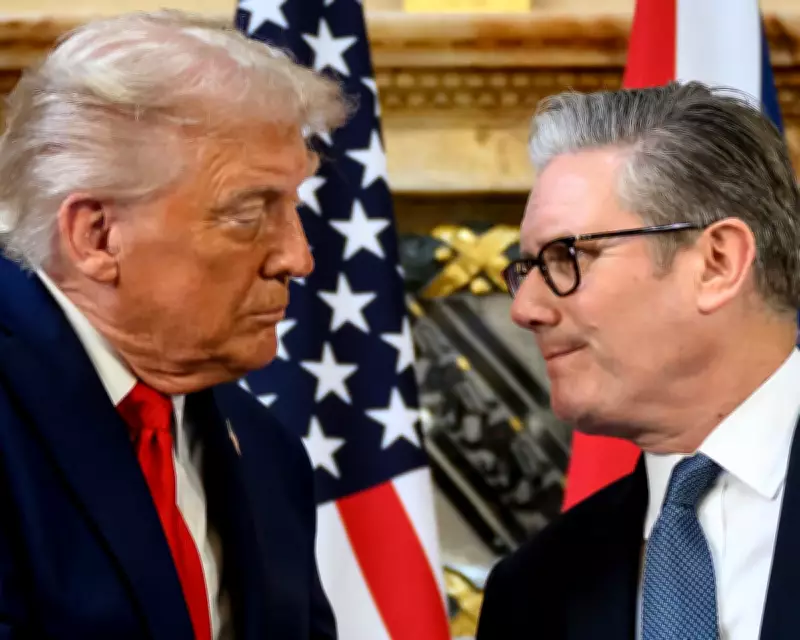
Recent developments in the Middle East have sparked intense debate within British political circles, following a high-profile meeting between former US President Donald Trump and UK Prime Minister Keir Starmer at Chequers. The gathering, which took place on September 18, 2025, has drawn significant attention amid escalating tensions between the United States, Israel, and Iran.
War Rhetoric and Political Pressure
The conflict has exposed deep divisions within Westminster, with some politicians expressing frustration over Britain's initial reluctance to join military actions. Critics have labeled these figures as "war hawks" who appear eager to support what many describe as a potentially disastrous intervention. This stance contrasts sharply with public opinion, where recent polls indicate that 49% of UK citizens oppose US-Israeli attacks on Iran, compared to only 28% in favor.
Trump's dismissive comment about Starmer—"This is not Winston Churchill we're dealing with"—has fueled further controversy. The remark highlights the complex dynamics between the two leaders and reflects broader concerns about Britain's international reputation during this crisis.

Political Reactions and Public Sentiment
Opposition figures have voiced strong opinions on the matter. Nigel Farage, leader of Reform UK, stated bluntly, "I don't follow public opinion," despite his longstanding advocacy for politicians to heed voter concerns. This apparent contradiction has drawn criticism from observers who note Farage's previous emphasis on representing ordinary citizens.
Meanwhile, Conservative Party leader Kemi Badenoch has expressed anxiety about Britain's perceived standing among allied nations. She highlighted criticism from Bahrain and Kuwait, framing it as a national embarrassment. However, this focus on diplomatic perception has been questioned by those who argue that ethical considerations should take precedence over geopolitical posturing.
Military Expertise Versus Political Posturing
Former NATO commander Richard Shirreff has offered a stark assessment, describing the current US administration's approach as "gung-ho nutters" with "no clear understanding of how this thing is going to end." His military experience stands in contrast to the rhetoric of politicians like Farage, whose background in commodities trading offers limited insight into complex warfare scenarios.
The situation has revealed what some analysts call a "lapdog vacancy" in international conflicts—a role Britain has historically filled. Yet, the current administration's hesitation marks a departure from this tradition, prompting both praise and condemnation from different political factions.
Broader Implications and Future Prospects
Trump's involvement has added layers of complexity, including his demand for Israel to pardon Prime Minister Benjamin Netanyahu. This suggestion has led to speculation about alternative resolutions that might have prevented military escalation. Some observers suggest that addressing Netanyahu's legal challenges through diplomatic means could have offered a less destructive path forward.
As the conflict continues, British politicians face mounting pressure to balance national interests with ethical considerations. The debate over intervention reflects deeper questions about the UK's role in global affairs and the values that should guide its foreign policy decisions in an increasingly volatile world.