UK Holds Firm on Digital Tax Despite US Pressure
In a bold move that sets Britain on a collision course with Washington, the Treasury has confirmed it will maintain the controversial Digital Services Tax, defying months of diplomatic pressure from the Trump administration. The decision emerged quietly alongside yesterday's Budget, buried within a mandatory review that offered little enthusiasm for reform.
Chancellor Rachel Reeves is standing by the two per cent levy that has generated substantial revenues from predominantly American technology giants since its implementation five years ago. The tax collected an estimated $1 billion (£800 million) from US-based tech firms last year alone, with the Office for Budget Responsibility projecting this figure will rise to £1.2 billion annually by the end of the decade.
The Concentration of Tech Power
The scale of market dominance becomes starkly apparent when examining who actually pays the tax. During its first year of operation, only 18 companies contributed, with approximately 90 per cent of revenue originating from just five corporate behemoths. This concentration underscores the immense market power wielded by a handful of technology giants operating in the UK digital economy.

The government review acknowledged "some evidence" suggesting the tax might have contributed to slight consumer price increases, but largely dismissed concerns while pointing to continued growth within the digital sector. Ministers concluded the levy should remain in place until a global alternative emerges through international negotiations - essentially confirming the tax won't disappear in the foreseeable future.
Trump's Growing Impatience
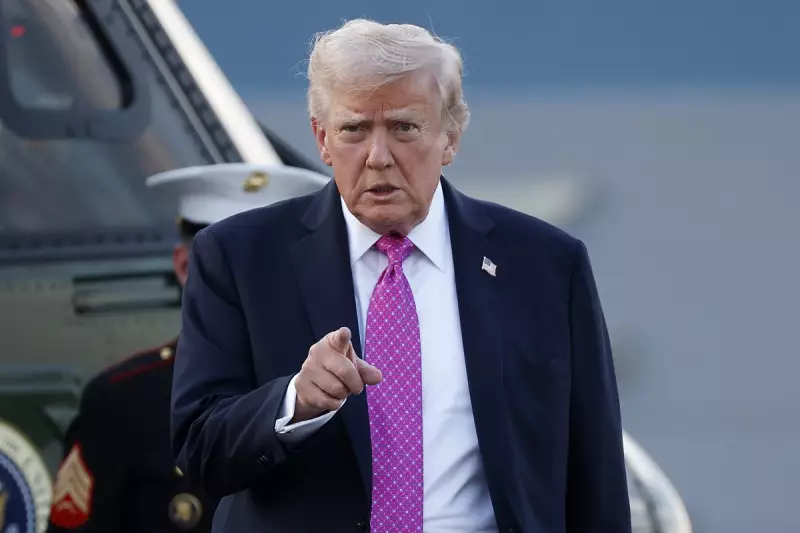
While Britain maintains its calm stance, Washington's response has been anything but subdued. President Donald Trump signed an executive order earlier this year directing the US trade representative to explore reviving the notorious 'Section 301' investigations into countries imposing such taxes on American companies.
These probes previously served as legal justification for tariff threats that the UK can ill afford given current economic pressures. Trump has made his position unmistakably clear through his social media platform, declaring that "digital taxes, legislation, rules or regulations are all designed to harm, or discriminate against, American technology" and insisting the United States will no longer serve as the world's "piggy bank."
The president has already demonstrated his willingness to act on these threats, successfully pressuring neighbouring Canada to abandon similar digital tax legislation last year. He appears equally prepared to leverage Britain, explicitly connecting the tax issue to ongoing UK-US trade discussions during his summer state visit.
Walking a Political Tightrope
The government now faces a delicate balancing act between ensuring tech giants contribute their fair share to public finances and avoiding a potentially devastating trade war with Britain's largest trading partner. The risk to UK exporters remains substantial, as any American retaliation could target critical sectors including steel, automotive and manufacturing with politically damaging and economically explosive tariffs.
Industry reactions have been mixed. Matthew Sinclair, senior director at the Computer & Communications Industry Association, described the decision as "disappointing," warning that "this tax will continue to create unnecessary risks to trade and cooperation." He urged ministers to work toward ending the tax to seize investment and growth opportunities in the global digital economy.
Meanwhile, some tech entrepreneurs like Brent Hoberman suggest the levy could be moderated in exchange for concessions within a new trade agreement. There's also speculation that outside the EU's regulatory framework, Britain could accelerate support for AI and frontier technologies, potentially using the tax as a negotiating tool rather than a permanent fixture.

The Labour Treasury team remains resolute despite these pressures. A government spokesperson affirmed: "The UK's Digital Services Tax is a fair and proportionate approach... and it remains our intention to repeal it once an international solution is in place."
The fundamental challenge remains that the OECD-led global tax solution has been progressing slowly for years without a definitive timeline. Until that international agreement materialises, the Digital Services Tax will continue to function as an awkward yet financially rewarding bridge between UK fiscal policy and American geopolitical influence.