Farage Unveils Controversial Plan to Reduce Pint Prices Through Tax Changes
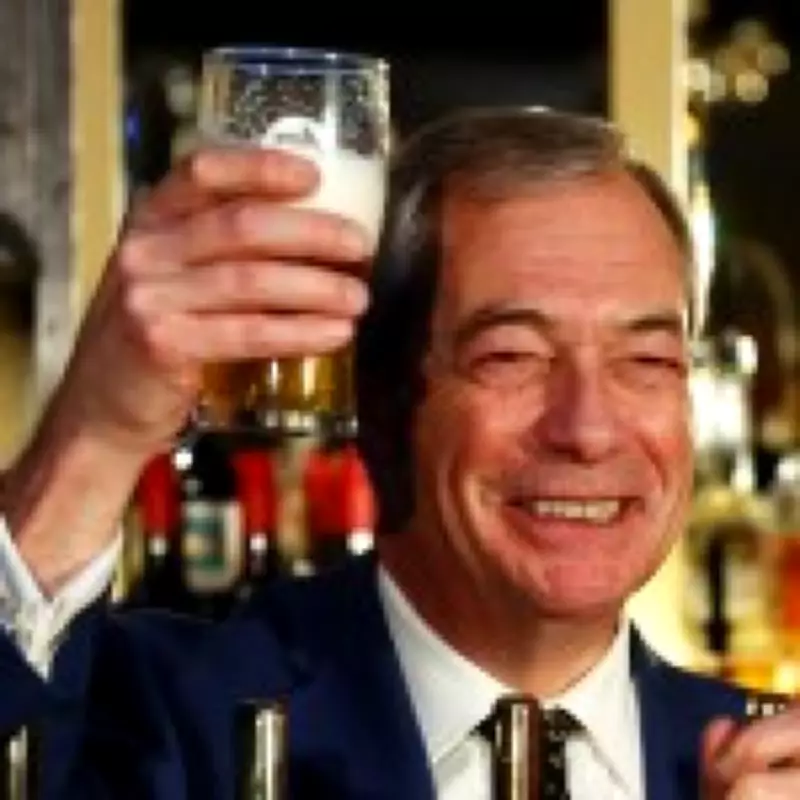
Reform UK leader Nigel Farage has announced a bold proposal to cut the price of a pint of beer by reducing VAT for the hospitality sector, with the costs offset by largely reinstating the two-child benefit cap. The plan, revealed at a Westminster pub adorned with Labour-mocking beer tap labels like 'Job Goblin' and 'Doomed Bar', aims to address what Farage describes as a crisis in Britain's pubs and hospitality industry.
Details of the VAT Reduction and Funding Mechanism
Under Farage's scheme, hospitality businesses would see their VAT rate slashed to 10%, a move he claims is 'fully funded' by reinstating the Conservatives' two-child cap on benefits. This cap would be applied with strict conditions: only households with two British parents working full-time could claim welfare for more than two children. Single-parent families would be excluded regardless of work status, as would families where one or both parents are non-British.
Reform UK estimates that this change would drastically reduce the number of households receiving child benefits for a third child from 510,000 to just 3,700. Farage emphasised the urgency of the situation, stating, 'What is happening to our pubs, what is happening to our hospitality sector, is little short of a disaster. They're on the edge of falling off a cliff – it's serious, it's very, very serious.'

Criticism from Poverty Campaigners and Economic Analysts
The proposal has been met with fierce opposition from poverty campaigners, who backed Chancellor Rachel Reeves' decision to scrap the two-child cap at last year's Budget. Henry Parkes, principal economist at the left-leaning IPPR think tank, argued that the plan is both morally and financially flawed.
'Pushing half a million children into poverty to fund a suite of hospitality tax cuts — cutting VAT, beer duty, business rates and national insurance — is indefensible,' Parkes said. 'It also just doesn't add up – with these tax giveaways likely to cost far in excess of the savings from re-instating the two-child limit.'
Peter Matejic, Chief Analyst at the Joseph Rowntree Foundation, highlighted the broader impacts, noting that scrapping the two-child limit altogether is a 'moral choice' that could improve health and education outcomes for two million children by the end of this decade. He added, 'Investing in social security can also help the economy. Money spent on social security does not just evaporate, it is spent on the everyday essentials we all need.'
Farage's Shifting Stance and Broader Five-Point Plan
Farage's announcement marks a reversal from his previous position; in May last year, he expressed support for ending the two-child cap to encourage childbearing. However, he later clarified that this would only apply to British working families. Today's proposal is part of a five-point plan he claims will 'save Britain's pubs,' which also includes reversing the employer National Insurance rise for hospitality, cutting beer duty by 10%, abolishing business rates for pubs in a staggered manner, and changing regulations for landlords.
Context and Political Reactions
This move follows Chancellor Reeves' own initiative to cut new business rates bills for pubs by 15%, after facing backlash from the hospitality sector over her Budget. Many Labour MPs were reportedly banned from local pubs by landlords concerned about rate hikes post-Covid support. Reeves stated her action would result in the pub sector paying 8% less in business rates by 2029 compared to current levels.
The debate underscores ongoing tensions between economic support for businesses and social welfare policies, with Farage's plan positioning Reform UK as a champion of the hospitality industry at the potential cost of increased child poverty.