
The trial of Duane Davis, the man accused of orchestrating the murder of Tupac Shakur, has opened in Las Vegas with prosecutors alleging that Davis admitted his role in a secret interview with federal agents.
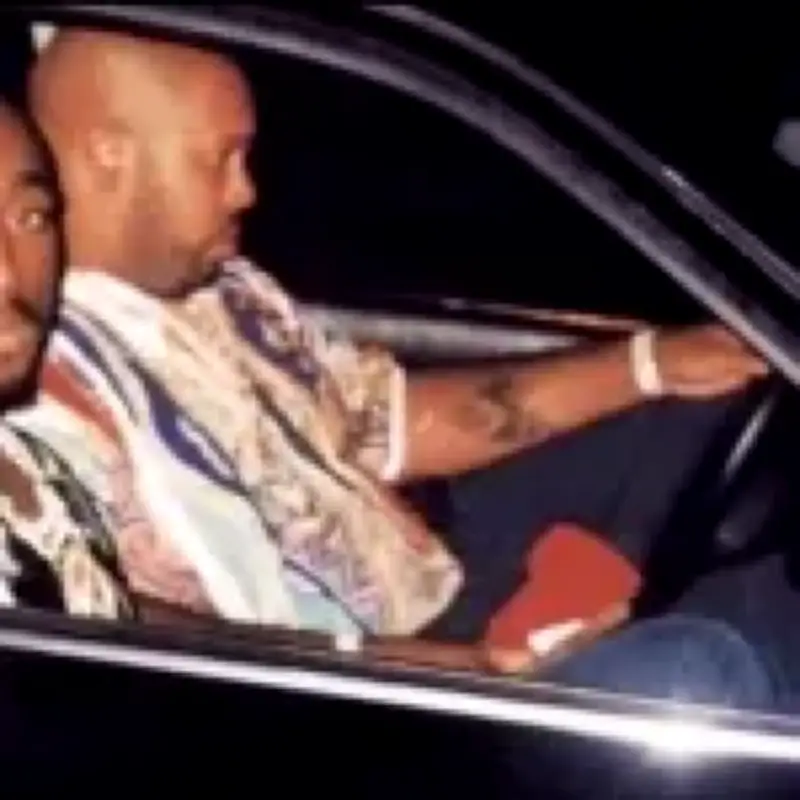
Davis, 63, is charged with murder with a deadly weapon with the intent to promote, further or assist a criminal gang. He has denied the allegations. The charges stem from the drive-by shooting on September 7, 1996, in which Tupac and Marion 'Suge' Knight were shot while waiting at a red light. Knight survived, but Tupac died after a bullet entered his lung.
Prosecution's Opening Statement
In opening statements, prosecutor Binu Palal described Davis as the 'on-site commander' of the attack, claiming he handed the gun to his nephew, Orlando Anderson, who fired the fatal shots. Palal told the court that in a secret interview with federal agents, Davis 'admits to his role in the shooting', despite having previously denied involvement to the FBI.
The federal taskforce had been investigating the murder of Christopher Wallace, known as the Notorious B.I.G, which occurred six months after Tupac's death. According to the prosecution, Davis claimed to have no information on Biggie but said he could 'tell you about Tupac'. Palal stated: 'He tells a federal taskforce about his involvement which you've heard is orchestration of the murder of Tupac Shakur.'
Evidence and Prior Admissions
Jurors were shown diagrams of alleged gang links, CCTV footage of the MGM Grand fight—in which Tupac and his entourage attacked Davis's nephew—and a sketch of the white Cadillac and its four occupants. The court also heard that in 2017, Davis 'went public', releasing a recording of an interview in which he allegedly admitted to being in the white Cadillac and participating in the murder.
Davis published a book, Compton Street Legend, in 2019, which the prosecution says was motivated by anger over the beating of his nephew. The book is expected to be a key piece of evidence in the trial.
Defence Response
Defence attorney Michael Sanft argued that police work on the case had been 'biased, sloppy and incomplete'. He did not elaborate further in the opening statements, but the defence is expected to challenge the credibility of the prosecution's evidence and the reliability of Davis's alleged admissions.
The trial is ongoing in Las Vegas, with jurors set to hear further testimony and examine evidence. The outcome will determine whether Davis is held accountable for one of the most infamous unsolved murders in rap history.




