
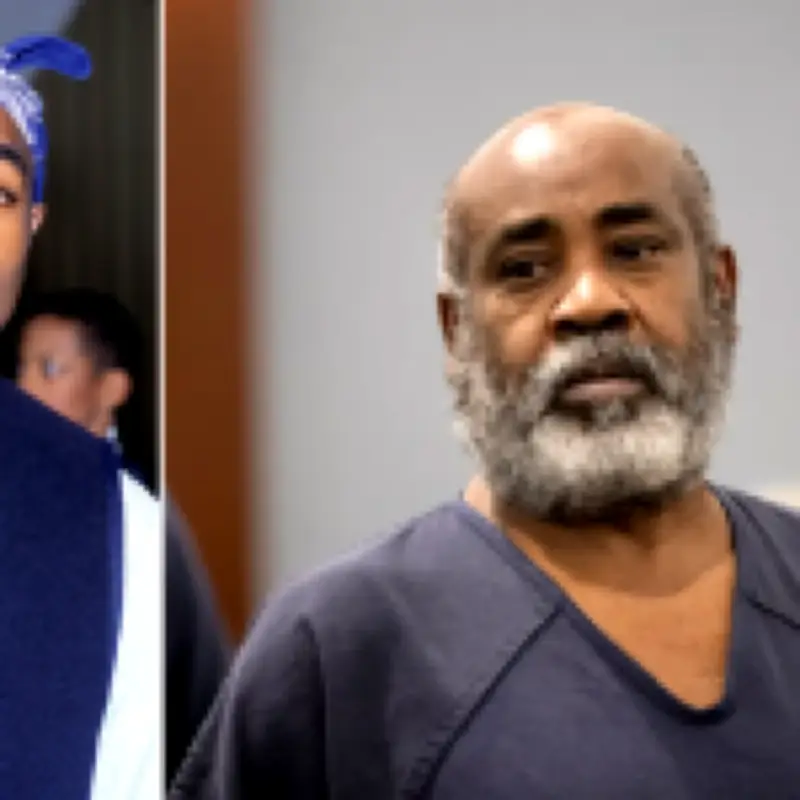
Jury selection commenced on August 10 in the trial of Duane 'Keffe D' Davis, the 63-year-old former gang member charged with the 1996 murder of rapper Tupac Shakur. Davis, who pleaded not guilty, faces a charge of murder with a deadly weapon and could receive life imprisonment without parole if convicted. The trial in Las Vegas marks the first criminal proceeding in a case that has fueled speculation for nearly three decades.
Background of the 1996 shooting
Shakur, also known as 2Pac, was shot on September 7, 1996, at age 25, and died on September 13. He had attended a boxing match between Bruce Seldon and Mike Tyson at the MGM Grand with Suge Knight, then CEO of Death Row Records. Later that night, while riding in a black BMW sedan in a convoy, a white Cadillac pulled alongside and opened fire, striking Shakur four times.
Earlier that evening, surveillance footage showed Shakur and his entourage, believed to be Mob Piru Bloods, attacking Orlando Anderson, allegedly a South Side Compton Crips member. Anderson was questioned but denied involvement; he was killed in a separate shooting in 1998. For years, the case stalled due to lack of evidence and witnesses, with Anderson long speculated as the shooter.
Why charges were filed now
Davis became a person of interest after speaking to police during the investigation into the murder of Biggie Smalls (the Notorious B.I.G.), who was killed in a drive-by shooting in Los Angeles on March 9, 1997. In the mid-2000s, Davis revealed he was in the white Cadillac the night of Shakur's shooting, striking a deal with police in exchange for that information.
Davis later went public in the 2019 memoir Compton Street Legend, and in 2018 appeared on the BET docuseries Death Row Chronicles. In the book, he claimed to have been in the vehicle and to have 'tossed' the gun into the backseat. The book's intro reads: 'I'm one of the only living eyewitnesses to Tupac's killing.' Las Vegas police searched Davis's home on July 18, 2023, and he was arrested on September 29.
Legal arguments and key evidence
Prosecutor Marc DiGiacomo said during a hearing last month: 'Had he never decided to take money and go on BET and talk about this situation, had he decided to never write the book, he would not, probably, have ever been prosecuted for the crime.' Davis's defence argues the book was co-authored and embellished for profit, not an admission of guilt. In a recent local TV interview, Davis insisted he did not write the book and denied being in Nevada on the night of the murder.
Shaun Kent told the BBC: 'This is what makes this case so fascinating. The two biggest pieces of evidence against Keffe D came from Keffe D.' Kent added that Davis has the right to claim he lied to sell books and to police, but that does not mean he murdered Tupac. The case faces challenges due to historical lack of evidence and many key witnesses now deceased.
As the trial proceeds, the entertainment world and fans of 1990s rap music will closely watch the proceedings, which may finally provide an answer to one of the most infamous unsolved cases of the 20th century.




