Trump's State of the Union Address in a Nation Divided
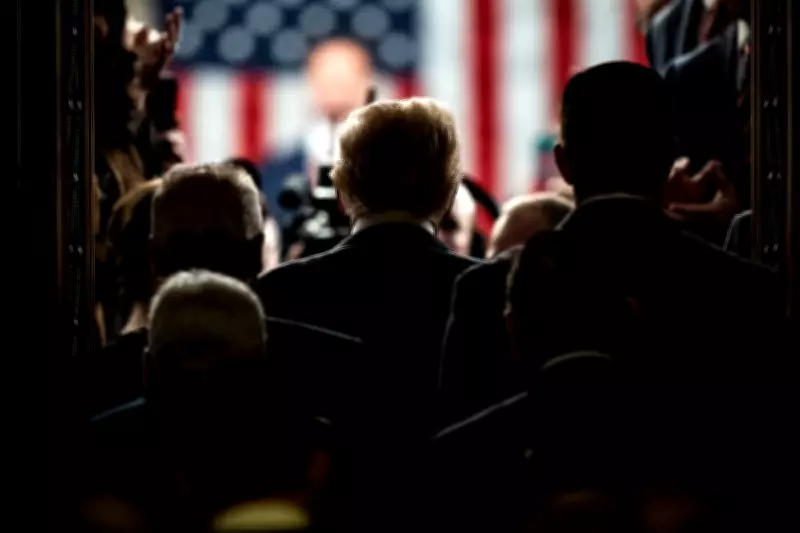
President Donald J. Trump is set to deliver a State of the Union address on March 4, 2025, in the Capitol building's House chamber, addressing a joint session of Congress. This speech occurs in a country marked by profound polarization, with opinion polls indicating more voters disapprove than approve of his performance as midterm elections loom on the horizon.
A Contentious Political Climate
The last time Trump gave such an address in February 2020, it was famously met with then-Speaker Nancy Pelosi tearing up his speech, a dramatic expression of Democratic disdain for his optimistic portrayal of the nation. Tonight, however, the dynamic has shifted with Republican Mike Johnson as Speaker of the House, a staunch ally of the president. Despite this change, the union remains deeply fractured, and Democratic opposition is anticipated both inside and outside the chamber.
On critical issues such as immigration, affordability, the economy, tariffs, and foreign policy, the United States is sharply divided. Recent economic data reveals annual GDP growth slowed to 1.4% in the last quarter of 2025, below the 3% forecast and down from 4.4% in the previous quarter, partly due to a record-long government shutdown. While the economy has shown resilience with 130,000 new jobs added in January and strong consumer spending, many voters express dissatisfaction with affordability issues, which Trump has dismissed as a "Democrat hoax."

Tariffs and Legal Challenges
Trump's signature tariff policy, which imposed extensive import duties globally, is now in disarray following a Supreme Court ruling that he exceeded his authority under the International Emergency Economic Powers Act. This decision has cast uncertainty over his strategy to spur American manufacturing through tariffs. Paradoxically, the rebuff may benefit him politically, as most voters oppose tariffs, believing they increase costs and inflation. In response, Trump announced new 15% tariffs under a different legal authority and is expected to address the topic further tonight.
Immigration Controversies
Immigration, a central theme of Trump's presidency, has sparked backlash due to aggressive enforcement tactics. The deployment of over 3,000 federal agents in "operation metro surge" in Minneapolis led to incidents including the deaths of two U.S. citizens and the detention of a five-year-old boy, creating public outrage. Nearly half of voters now say Trump has gone "too far" in immigration enforcement, despite initial support. Although federal forces were withdrawn, the president shows no signs of retreating on this issue.
Foreign Policy Shifts
Trump's "America first" foreign policy, aimed at ending "forever wars," appears shaky as the U.S. prepares potential strikes on Iran and considers regime change, echoing past criticized interventions. Recent tensions with NATO over Greenland and the launch of a Board of Peace, which lacks European support, further complicate his diplomatic stance. Meanwhile, the rule of law has been undermined under Attorney General Pam Bondi, with the Department of Justice used to target political adversaries, such as former FBI director James Comey and New York Attorney General Letitia James.
Crime and Health Concerns
Trump claims to have reduced murder and violent crime to a 125-year low through national guard deployments, but data shows a more complex trend with rates fluctuating in recent years. In health care, rising costs and cuts to programs like Medicaid and the Affordable Care Act have fueled public anxiety, with over half of Americans fearing they cannot afford essential services. Health Secretary Robert F. Kennedy Jr.'s "make America healthy again" agenda faces backlash over vaccine policies and weakened public health infrastructure.
As Trump takes the stage tonight, his address will unfold against a backdrop of economic uncertainty, legal battles, and social division, highlighting the challenges of his second term in a deeply polarized nation.