British Prime Minister Sir Keir Starmer has hailed significant progress in UK-China economic relations during a landmark visit to Beijing, just as US President Donald Trump issued a stark warning against such engagement. The contrasting positions emerged on Friday as Starmer became the first British leader to travel to China in eight years, while Trump described closer UK-China business ties as "very dangerous" from Washington.
Starmer's Beijing Breakthrough Amid Trump's Warning
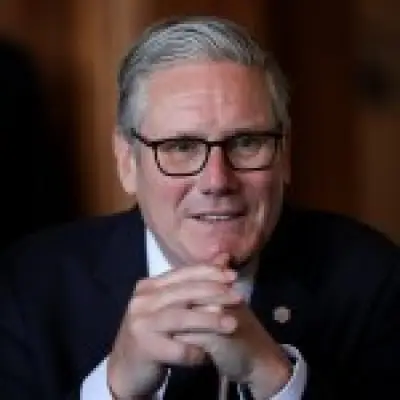
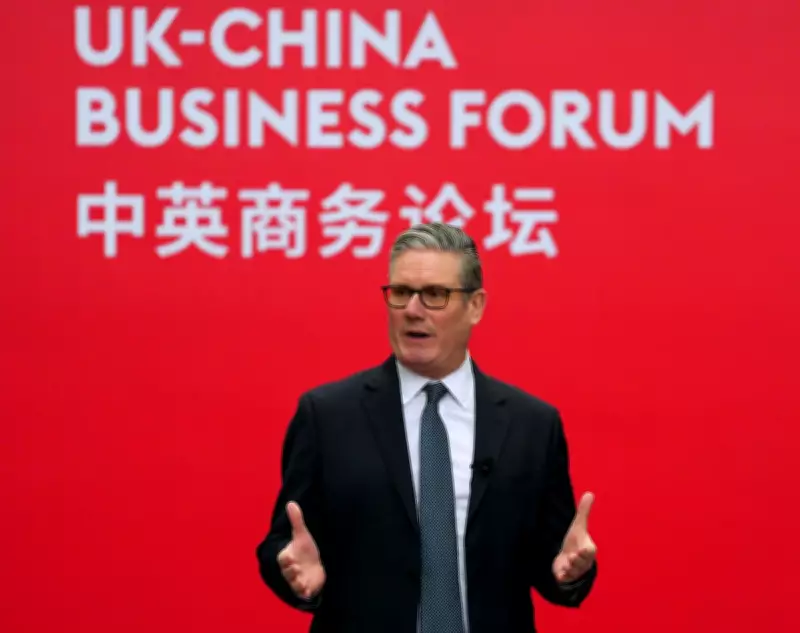
During three hours of talks with Chinese leader Xi Jinping at the Great Hall of the People, Starmer secured improved market access, lower tariffs and several investment deals that mark a significant thaw in previously strained relations. The Prime Minister told the UK-China Business Forum at the Bank of China headquarters that the relationship was now in a "good, strong place" with "just the level of engagement that we hoped for".
"We warmly engaged and made some real progress, actually, because the UK has got a huge amount to offer," Starmer declared to business leaders in Beijing, promising a "more sophisticated" approach to China relations moving forward.

Trump's Intervention Creates Diplomatic Tension
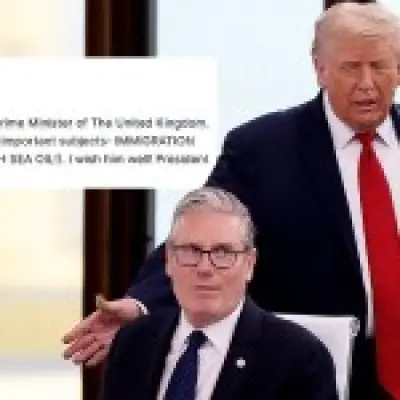
Just hours after Starmer's optimistic assessment, Donald Trump responded to questions about the UK's economic reset with China by stating: "Well, it's very dangerous for them to do that." The US President's remarks could create significant diplomatic concerns within Downing Street, given his well-documented unpredictability and longstanding hostility toward China.
One UK official sought to downplay potential tensions, noting that the United States had been fully briefed about Starmer's trip and its objectives in advance. However, Trump's intervention represents a clear challenge to the Prime Minister's strategy of strengthening economic ties with Beijing while maintaining close relations with Washington.
Business Community Welcomes Pragmatic Approach
Chris Torrens, Chair of the British Chamber of Commerce in China, described Starmer's visit as "successful" and told the BBC that "it makes sense for UK to be looking to China, it's one of its larger trading partners." Chinese state media has similarly framed the visit as an act of economic pragmatism, highlighting the mutual benefits of enhanced cooperation.
Starmer's approach reflects a broader trend among Western leaders who have visited Beijing in recent weeks, seeking to build ties with the world's second largest economy while hedging against an unpredictable US administration. The Prime Minister was scheduled to travel from Beijing to Shanghai before concluding his Asian tour with a working dinner in Tokyo with Japanese counterpart Sanae Takaichi.
Broader Context of US-China Trade Tensions
The diplomatic exchange occurs against a backdrop of escalating trade tensions initiated by the Trump administration. Earlier this week, the US President threatened to impose tariffs on Canada if it proceeded with economic deals secured during Prime Minister Mark Carney's recent Beijing visit. Trump extended his criticism beyond the UK, stating that engagement with China was "even more dangerous, I think, for Canada."
Paradoxically, Trump simultaneously described Chinese President Xi Jinping as "a friend of mine" whom he knows "very well", while acknowledging that the United States remains China's largest single trading partner. The President is expected to visit Beijing himself in April, adding further complexity to the geopolitical landscape.
UK's Balancing Act Between Major Powers
Before departing for Beijing, Starmer explicitly addressed the challenge of navigating relations between the world's two largest economies in an interview with Bloomberg. The Prime Minister asserted that Britain would not need to choose between the United States and China, insisting the country could strengthen economic ties with Beijing without damaging relations with Washington.
"We've got very close relations with the US – of course, we want to – and we will maintain that business, alongside security and defence," Starmer emphasised, outlining his vision for a balanced foreign policy approach.

US Officials Express Skepticism About Chinese Market Access
Even before Trump's public comments, US Commerce Secretary Howard Lutnick expressed doubts about Starmer's prospects for securing meaningful concessions from China. "The Chinese are the greatest exporters and they are very, very difficult when you're trying to export to them," Lutnick told reporters. "So good luck if the British are trying to export to China ... it's just unlikely."
However, Lutnick sought to reassure British officials by playing down the prospect of Trump threatening the UK with tariffs similar to those proposed for Canada, unless "the prime minister of Britain sort of takes on the United States and says very difficult things."
The diplomatic developments highlight the delicate balancing act facing the UK government as it seeks to maximise economic opportunities with China while maintaining its crucial security and trade relationship with the United States. Starmer's Beijing visit represents the most significant engagement between the UK and China in nearly a decade, but Trump's intervention demonstrates the complex geopolitical realities that continue to shape international relations in an increasingly multipolar world.