Trump's Scornful Tirade Tears at UK-US Special Relationship
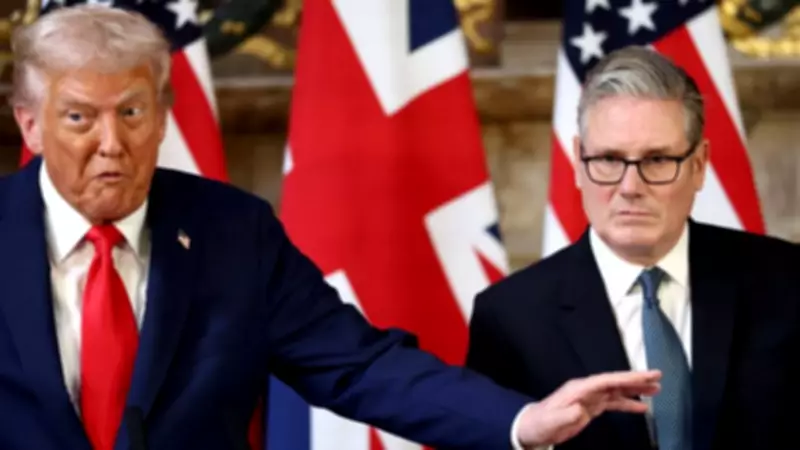
The latest late-night broadside from former US President Donald Trump has delivered a severe blow to the already strained special relationship between the United Kingdom and the United States. In a scathing social media post, Trump declared, "We will remember. We don't need people that join Wars after we've already won!" This direct attack targets Prime Minister Sir Keir Starmer's refusal to permit American aircraft to utilize British military bases during initial strikes against Iran.
Diplomatic Capital Evaporates Overnight
The bitter breakup represents a significant diplomatic setback for Starmer, who has invested considerable political capital over the past year cultivating his reputation as a "Trump whisperer." The Conservative opposition has seized upon the rift, with Shadow Home Secretary Chris Philp asserting that Starmer has "severely damaged the special relationship" through his reluctance to provide unconditional support for American military actions.
Compounding the political pressure, Reform UK leader Nigel Farage spent the weekend at Trump's Mar-a-Lago estate, undoubtedly reinforcing criticisms of the current UK government directly to the former president and his administration. Meanwhile, former Labour Prime Minister Sir Tony Blair has privately expressed his belief that Starmer erred in not backing America from the conflict's outset, telling attendees at a private gathering that allies must demonstrate solidarity during security crises.

Iraq War Comparisons Resurface
Blair's criticism has inadvertently provided Starmer with political ammunition, highlighting the stark contrast between the current Prime Minister's cautious approach and Blair's controversial decision to join George W. Bush's 2003 invasion of Iraq. Foreign Secretary Yvette Cooper emphasized this distinction during an interview, stating that Starmer's decision reflects lessons learned from "some of the things that went wrong in Iraq" rather than automatic alignment with American foreign policy.
The Prime Minister has consistently articulated his commitment to international law this week, explicitly opposing Trump's stated objective of achieving "regime change from the skies" through military intervention. While the government maintains that fundamental aspects of the British-American alliance remain intact, the diplomatic spat raises serious concerns about potential repercussions across multiple domains including trade tariffs, security cooperation, and ongoing negotiations regarding the Chagos Islands.
Public Opinion Shifts in Starmer's Favor
Despite the diplomatic turmoil, recent polling indicates a surprising silver lining for the embattled Prime Minister. Since the Iran conflict began, Starmer has experienced a slight uptick in personal popularity, with only twenty percent of British voters supporting participation in American-led airstrikes against the Iranian regime. This alignment with public sentiment represents a rare political victory for Starmer, who has frequently struggled to connect with voter preferences throughout his premiership.
Within parliamentary circles, Starmer's principled stand against the controversial former president has earned him praise from Labour MPs who view his position as both morally defensible and strategically sound. The diplomatic rupture, while damaging to international relations, has unexpectedly positioned Starmer on the popular side of a contentious foreign policy debate for the first time in recent memory.
The long-term implications of this diplomatic fracture remain uncertain, but the immediate political landscape suggests that Starmer's gamble on public opinion over presidential approval may yield domestic dividends even as it strains transatlantic relations. The Prime Minister finds himself navigating uncharted diplomatic waters while simultaneously discovering unexpected political advantages in his confrontation with one of America's most polarizing political figures.