Trump's Scornful Tirade Tears at UK-US 'Special Relationship'
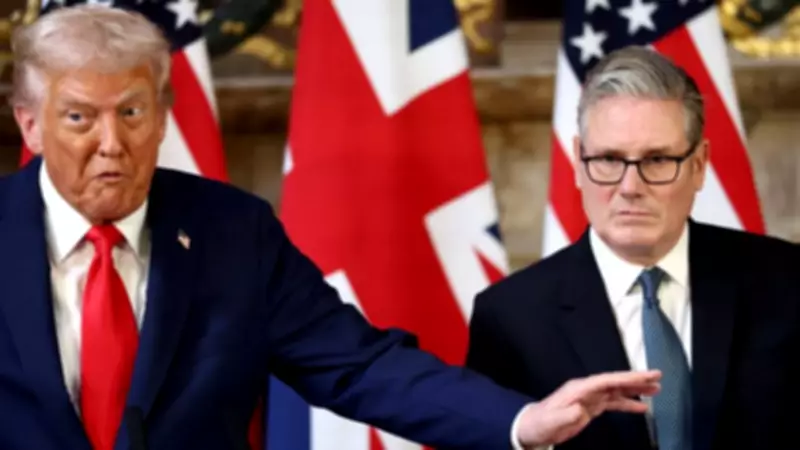
The latest late-night broadside from former US President Donald Trump has ripped through the fragile diplomatic ties that Prime Minister Sir Keir Starmer has painstakingly nurtured over the past year. In a scornful social media post, Trump declared, "We will remember. We don't need people that join Wars after we've already won!" targeting Starmer and referring to the UK as "our once Great Ally." This bitter break-up stems directly from Starmer's refusal to grant American military aircraft permission to use British bases during the initial stages of the US-led attack on Iran.
A Diplomatic Effort Unraveled
For Starmer, who has invested significant political capital to cultivate a reputation as a so-called Trump whisperer, this public rebuke represents a severe diplomatic setback. The Conservative opposition has seized on the rift, with Shadow Home Secretary Chris Philp accusing the Prime Minister of having "severely damaged the special relationship" between the two nations. Meanwhile, Reform UK leader Nigel Farage has been spotted at Trump's Mar-a-Lago resort this weekend, likely amplifying criticisms of the Starmer government directly to the Trump administration.
Blair's Controversial Intervention
Adding to the political pressure, former Labour Prime Minister Sir Tony Blair has privately criticized Starmer's decision not to back America from the conflict's outset. At a private event, Blair reportedly told attendees, "if they are your ally and they are an indispensable cornerstone for your security…you had better show up." However, for many within the Labour Party and beyond, Blair remains the last person who should advise on following US presidents into Middle Eastern wars, given his controversial role in the 2003 Iraq invasion.

Starmer's Calculated Stance on National Interest
Foreign Secretary Yvette Cooper defended the Prime Minister's position during an appearance on Sunday Morning with Trevor Phillips, drawing a sharp contrast between "people in politics who think we should always agree with the US, whatever" and Starmer's decision to act in the UK's national interest. Cooper emphasized, "I think the point is to make sure that actually we learn the lessons from some of the things that went wrong in Iraq. I think that is exactly what Keir Starmer has done." Starmer has explicitly opposed Trump's goal of "regime change from the skies" while affirming his commitment to international law.
Polling Reveals Public Backing for PM
Despite the diplomatic fallout, recent polling indicates that Starmer's cautious approach is resonating with the British public. Surveys show a slight uptick in the Prime Minister's popularity since the Iran conflict began, with only one in five voters supporting the idea of Britain joining US-led air strikes against the Iranian regime. This places Starmer in the rare position of being firmly aligned with public opinion, a contrast to the political isolation he has often faced on other issues.
Long-Term Implications for UK-US Ties
The government maintains that the fundamentals of the British-American alliance remain unchanged by this spat. However, Trump's hostility poses a dangerous adversarial threat, with potential far-reaching consequences for tariffs, security cooperation, and ongoing negotiations such as the Chagos deal. For now, Starmer's stand against the controversial former president is earning him plaudits among Labour MPs and, crucially, with a public wary of foreign military entanglements.