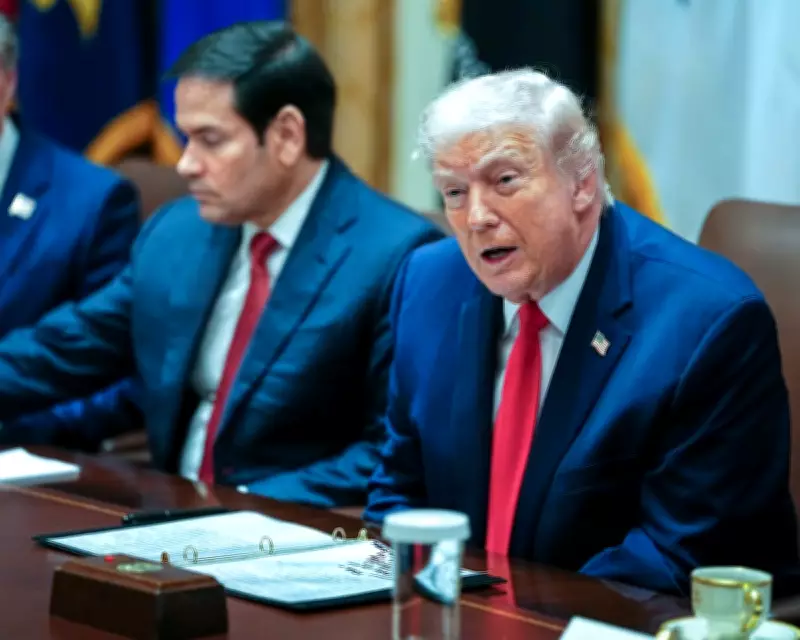
In a surprising announcement, former US President Donald Trump has claimed that Russian leader Vladimir Putin agreed to halt strikes on Ukraine's energy infrastructure for one week following a personal appeal. The statement was made during a cabinet meeting at the White House, though neither Ukraine nor Russia has officially confirmed this alleged ceasefire.
Trump's Personal Appeal to Putin
During the meeting with his top advisers, Trump revealed details of a previously unreported phone call with Putin. "I personally asked President Putin not to fire into Kyiv and various towns for a week and he agreed to do that," Trump stated, adding, "I have to tell you it was very nice." The former president did not specify start or end dates for this purported arrangement, leaving many questions unanswered about its implementation.
Ukrainian Response and Winter Conditions
Ukrainian President Volodymyr Zelenskyy responded to Trump's announcement, expressing cautious optimism. "We expect the agreements to be implemented," Zelenskyy wrote on social media platform X, noting that discussions had taken place in the United Arab Emirates. He added that "de-escalation steps contribute to real progress toward ending the war."

This development comes as Ukraine faces brutal winter conditions, with temperatures expected to plummet to -20°C (-4°F) in coming weeks. Recent Russian missile and drone attacks have left over one million people in Kyiv without power and more than 6,000 buildings without heating, according to Reuters reports.
Kremlin's Guarded Position
The Kremlin has maintained a cautious stance regarding these claims. On Thursday morning, Russian officials declined to discuss whether an energy ceasefire had been negotiated. Kremlin aide Yuri Ushakov later addressed broader peace negotiations, stating that while territorial control in Donbas remains "the most important issue," many other matters remain unresolved.
"No one agreed on this," Ushakov responded when questioned about western security guarantees for Ukraine in any potential peace deal. He described current negotiations as being at an early stage, noting "we held the first round of negotiations within the framework of the security working groups. That's where we are."
Ongoing Diplomatic Efforts
Ukraine and Russia are scheduled to continue talks in Abu Dhabi this weekend, focusing specifically on military contacts and ceasefire monitoring mechanisms. These discussions follow trilateral talks involving US officials last week, marking the first such negotiations since Russia's full-scale invasion in 2022.
However, Zelenskyy has expressed concerns about Russian intentions, warning that Moscow might be "using the negotiating process with the cynical, harsh goal of delaying new measures of pressuring Russia [to make peace] that could work." The Ukrainian president also claimed to have intelligence suggesting Russia is preparing for "a new strike" against Ukraine.
Recent Violence and Humanitarian Concerns
The diplomatic developments occur against a backdrop of continued violence. Earlier this week, a Russian drone strike on a Ukrainian passenger train killed five people among 155 passengers, an attack Zelenskyy described as "an act of terrorism." Ukrainian prosecutors confirmed that one drone struck a train carriage while two others detonated alongside it.
Social media channels close to both Russian and Ukrainian military operations had previously speculated about a potential short-term ceasefire before Trump's announcement, though these reports remained unverified. The situation highlights the complex interplay between diplomatic efforts and ongoing military actions in the conflict.