President Donald Trump has taken significant steps towards designating specific chapters of the Muslim Brotherhood as foreign terrorist organisations, a move that could have far-reaching consequences for US relations in the Middle East.
Executive Order Signed at White House
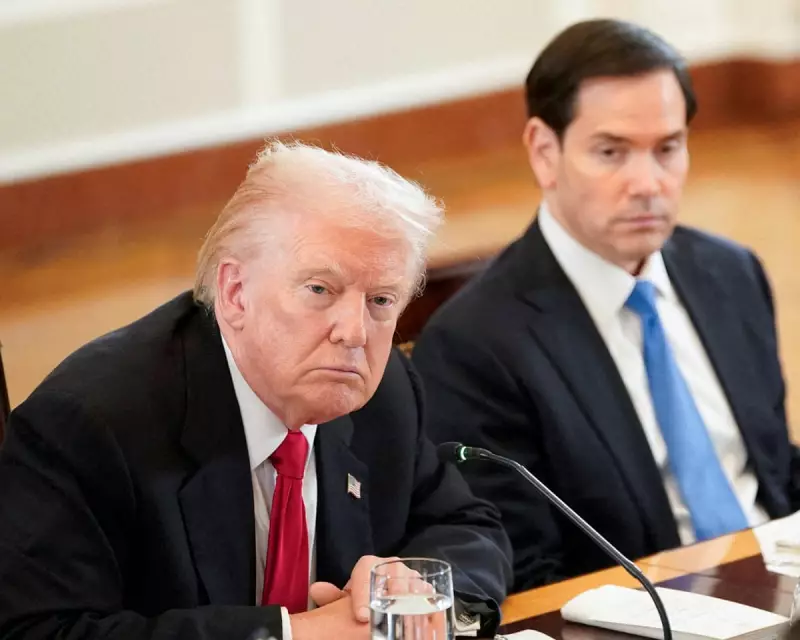
On 6 November, at the White House in Washington DC, President Trump signed an executive order directing Secretary of State Marco Rubio and Treasury Secretary Scott Bessent to compile a comprehensive report. This report will assess whether to designate Muslim Brotherhood chapters in Lebanon, Egypt and Jordan as terrorist entities.
The executive order mandates that both secretaries must submit their findings and proceed with any designations within 45 days of completing the report, according to official White House documentation.
Administration's Justification for Designation
The Trump administration has levelled serious allegations against Muslim Brotherhood factions operating in these nations. Officials claim these groups have either supported or encouraged violent attacks against Israel and US partners, or have provided material support to the Palestinian militant organisation Hamas.
A White House fact sheet stated: "President Trump is confronting the Muslim Brotherhood's transnational network, which fuels terrorism and destabilisation campaigns against US interests and allies in the Middle East."
Historical Context and Regional Impact
The Muslim Brotherhood represents one of the Arab world's oldest and most influential Islamist movements, having been established in Egypt during the 1920s. Originally founded as an Islamic political movement to challenge the spread of secular and nationalist ideologies, it rapidly expanded across Muslim-majority countries.
Despite its significant political influence in various regions, the organisation has frequently operated clandestinely throughout its history. This potential designation would subject the targeted chapters to substantial sanctions and significantly alter their international standing.