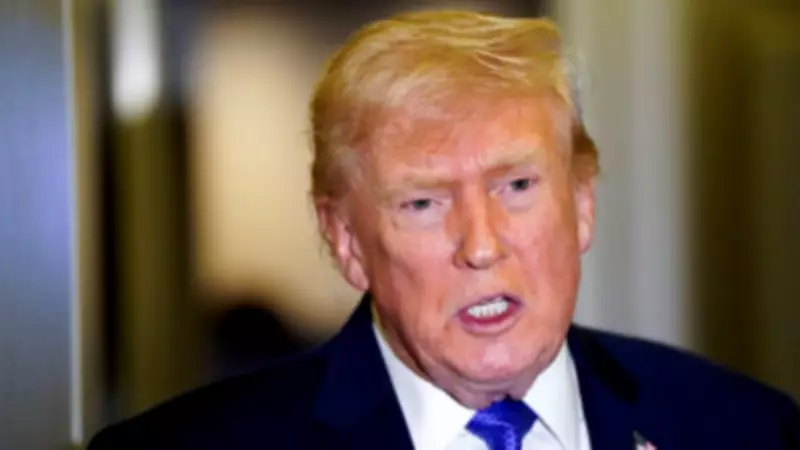
Former US President Donald Trump has forcefully rejected allegations made by Hillary Clinton that his administration engaged in a deliberate "cover-up" by delaying the release of documents related to convicted sex offender Jeffrey Epstein. In a sharp retort on Tuesday, Trump dismissed Clinton's claims, asserting he has "nothing to hide" and accusing her of suffering from "Trump derangement syndrome."
Clinton's Accusations and Call for Transparency
On Monday, Hillary Clinton, the former US secretary of state, gave an interview to the BBC where she accused the Trump administration of "slow walking" the release of the Epstein files. She urged Trump's team to expedite the process and "get the files out" to ensure public scrutiny. Clinton emphasized that "everyone should testify before Congress who is asked to testify," advocating for hearings to be both public and fair.
She further suggested that she and her husband, former President Bill Clinton, are being politically targeted in an effort to divert attention from Trump. "They want to pull us into this... to divert attention from President Trump, this isn't complicated," Clinton stated. The Clintons are scheduled to appear before the Oversight Committee next week, despite initially resisting calls to testify.

Trump's Defense and Counterattack
Responding to these accusations, Trump told reporters, "I have nothing to hide, I've been exonerated, I have nothing to do with Jeffrey Epstein." He added, "They're getting pulled in, and that's their problem, we'll have to see what happens." Trump's comments underscore his denial of any involvement with Epstein and his criticism of Clinton's motives.
The Epstein files, which include over three million pages released by the US Department of Justice, have sparked controversy. Bill Clinton's name appears multiple times in the documents, accompanied by several photographs. Hillary Clinton has admitted to meeting Epstein's convicted associate, Ghislaine Maxwell, "on a few occasions," but both Clintons deny any knowledge of Epstein's sex offenses.
Political Backlash and Legal Scrutiny
The release of the Epstein files has faced widespread criticism from Democrats and some Republican politicians. Last week, Republican representative Thomas Massie accused Attorney General Pam Bondi, who oversees the files' release, of concealing the names of powerful Epstein associates. Massie also labeled the justice department's actions as a "massive failure" to comply with legal requirements.
Lawmakers have complained that redactions in the files exceed the limited exemptions permitted under a law passed nearly unanimously by Congress in November. The justice department has declined to publish a significant volume of material, citing legal privileges, while denying any unreasonable attempts to withhold information.
Impact on Public Figures and Ongoing Fallout
The content of the Epstein files has caused shock and outrage, damaging the reputations of many individuals named within them. On Monday, Thomas Pritzker announced his resignation as executive chairman of Hyatt Hotels, acknowledging "terrible judgement" in maintaining contact with Epstein and Maxwell. Similarly, last week, Casey Wasserman, chairman of the 2028 Los Angeles Olympics, stated he would sell his talent and marketing agency after historic flirtatious emails with Maxwell were published.
It is important to note that being named in the Epstein files does not imply wrongdoing, but the ongoing investigations and testimonies continue to fuel political tensions and public debate over transparency and accountability.