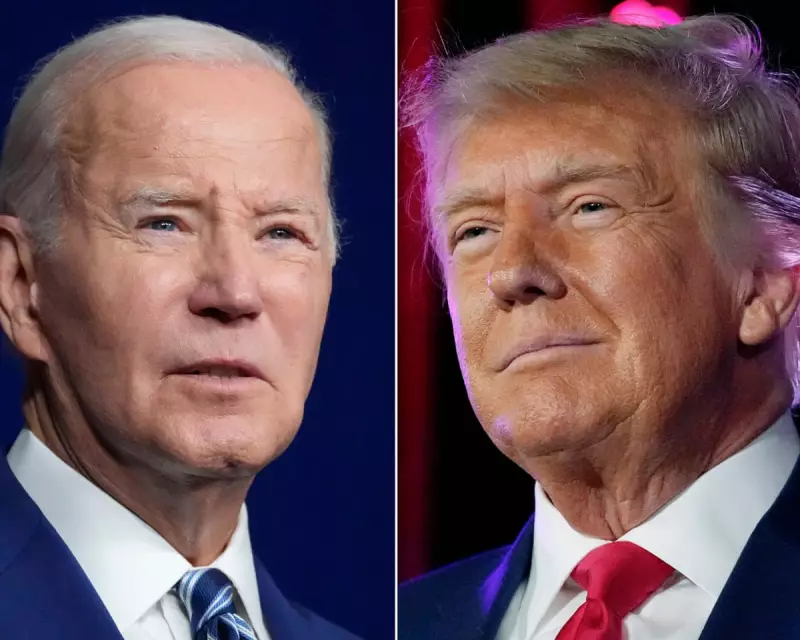
Former US President Donald Trump has announced his intention to revoke the majority of executive orders signed by his predecessor Joe Biden, making explosive claims about their legitimacy.
The Autopen Controversy
In a social media post that has sparked political debate, Trump asserted without evidence that Biden did not personally authorise many of the executive orders bearing his name. The former president specifically targeted the use of the autopen machine - a signature device employed by numerous US presidents throughout history.
Trump declared that "the radical left lunatics circling Biden around the beautiful Resolute Desk in the Oval Office took the Presidency away from him" by allegedly using the autopen without proper authorisation.

Legal Challenges and Claims
The former president made specific legal assertions about the autopen process, stating: "The Autopen is not allowed to be used if approval is not specifically given by the President of the United States."
Trump further claimed that approximately 92% of all executive orders were invalid due to this alleged improper use of the signature machine. He escalated his allegations by warning that "Joe Biden was not involved in the Autopen process and, if he says he was, he will be brought up on charges of perjury."
Historical Context and Implications
The autopen machine has been commonly used by nearly all US presidents since the device's invention, serving as a practical solution for signing documents when physical presence isn't possible. However, Trump's comments represent the most significant challenge to its legitimacy in modern political history.
If Trump follows through on his pledge to cancel most of Biden's executive orders, it could trigger substantial legal battles and policy reversals affecting numerous areas of American governance.
The controversy comes as both figures remain central to American political discourse, with Trump positioning himself for a potential return to office and Biden continuing to implement his administration's agenda through executive action.