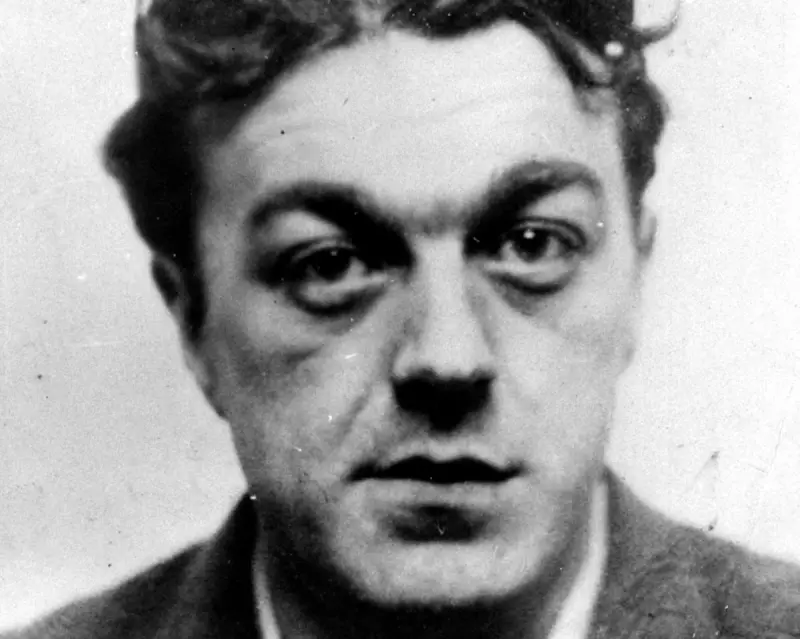
Harry Roberts, one of Britain's most infamous criminals for the cold-blooded murder of three police officers in 1966, has died at the age of 89. His death closes a chapter on a case that profoundly shocked the nation and permanently altered debates on sentencing and the protection of the police.
The Shepherd's Bush Murders That Shocked a Nation
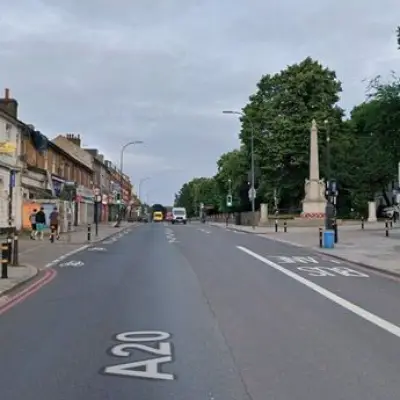
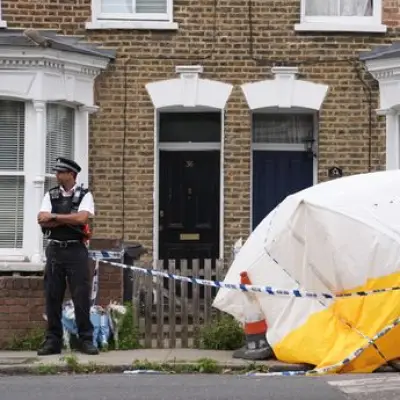
On 12 August 1966, in Shepherd's Bush, west London, three officers approached a van for a routine check. Inside were Roberts and his accomplices, John Duddy and John Witney. Without provocation, Roberts opened fire. Detective Constable David Wombwell, 25, was killed at the scene. Detective Sergeant Christopher Head, 30, was shot in the back. PC Geoffrey Fox, 41, was shot through the windscreen of an unmarked police car.
The sheer brutality of the attack sent waves of horror across the UK. At that time, armed violence directed at police officers was exceptionally rare, making the killings a watershed moment for law enforcement and public safety.

A Historic Manhunt and a Landmark Sentence
The subsequent search for Roberts became one of the largest and most intensive manhunts in British history, lasting 96 days. Using skills from his former military training, Roberts evaded capture before being found sleeping rough in Hertfordshire.
All three men were convicted at the Old Bailey. With capital punishment abolished just a year earlier, the judge handed down life sentences, describing the murders as “the most heinous crime for a generation or more.” Roberts received a minimum tariff of 30 years but would ultimately serve 48 years behind bars, becoming one of the country's longest-serving and most notorious prisoners.
A Legacy of Anger and Enduring Debate
Roberts was released on licence in 2014 and had been living in sheltered accommodation in Peterborough. His release sparked significant anger within the police community, a sentiment reignited by news of his death. He died in hospital after a short illness, according to reports.
Matt Cane, general secretary of the Metropolitan Police Federation, stated: “The three officers murdered by Roberts never got a chance to grow old. The life sentence for their loved ones still continues. Life should mean life if you murder a police officer in the course of their duties – Roberts should never have been freed.”
The deaths of Duddy and Witney years prior mean Roberts was the last surviving perpetrator. The case of Harry Roberts endures as a defining reference point in ongoing discussions about:
- Life sentencing and parole
- The risks faced by police officers
- The balance between punishment and rehabilitation for the most serious crimes
His story remains a dark and pivotal episode in the annals of British criminal justice.