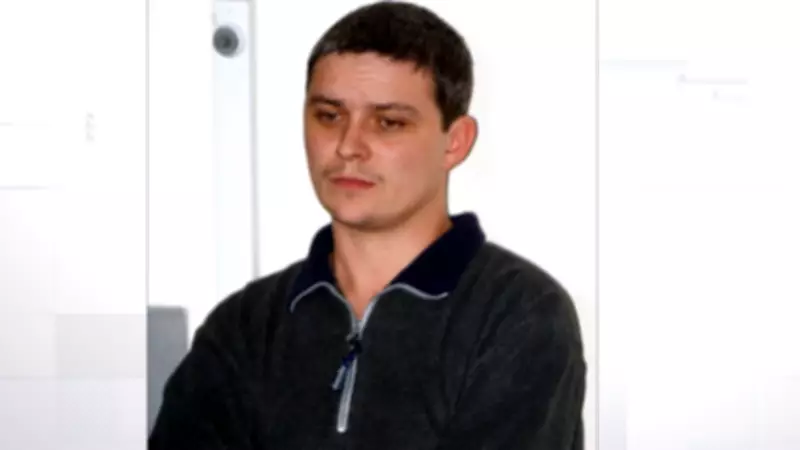
Taxpayers to Contribute Up to £3,000 for Ian Huntley's Minimalist Funeral
The prison service has confirmed it will pay for a minimalist cremation to dispose of Ian Huntley's body, as part of an arrangement with his mother as next of kin. This follows longstanding policy for the state to cover funeral expenses for any death in custody, with a maximum contribution of £3,000 from taxpayers.
Details of the Funeral Arrangements
It is not yet clear how much the funeral will cost, but it is expected to fall below the £3,000 cap. The process will include no mourners and no ceremony, though this does not necessarily mean Huntley's next of kin will not attend. The prison service will return Huntley's ashes to his mother after the cremation, with no date set for the event.
The funding is strictly regulated: it can only be paid directly to a funeral director and used for reasonable costs, such as a simple coffin, hearse, and cremation or burial fees. It is not permitted for expenses like headstones, flowers, or order of service sheets.

Background on Ian Huntley's Death
Ian Huntley, 52, known as the Soham killer for murdering 10-year-old friends Holly Wells and Jessica Chapman in 2002, died in hospital on Saturday after allegedly being attacked at the high-security HMP Frankland in Durham. Anthony Russell, 43, is accused of murdering Huntley and is due to appear at Newcastle Crown Court on Thursday.
A Ministry of Justice spokesperson previously stated, "the murders of Holly Wells and Jessica Chapman remains one of the most shocking and devastating cases in our nation's history, and our thoughts are with their families."
Precedents for State-Funded Funerals
This policy is not new; previous prisoners who have had their funeral costs paid by the state include Yorkshire Ripper Peter Sutcliffe in 2020 and Raymond Morris in 2014. The arrangement underscores the government's commitment to covering basic end-of-life expenses for individuals who die while in custody, regardless of their crimes.
The decision has sparked discussions about the ethics and costs of such policies, particularly in high-profile cases like Huntley's, where public sentiment is strong. However, officials emphasize that the policy is applied uniformly to ensure dignity in death for all inmates.