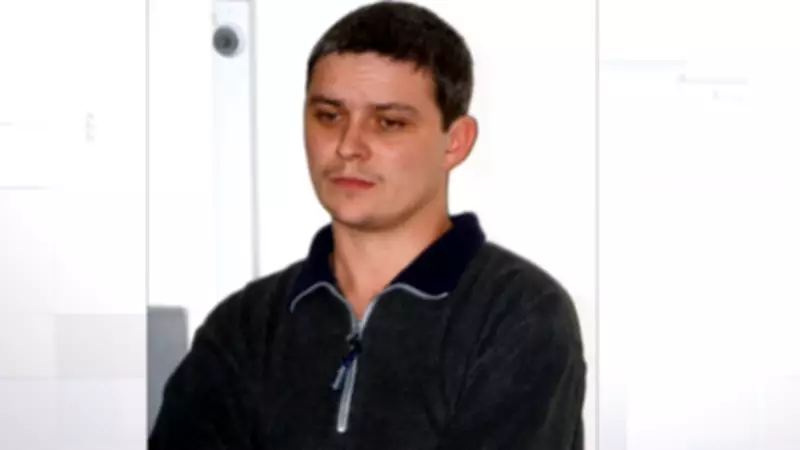
Taxpayers to Fund Ian Huntley's Minimalist Cremation Up to £3,000
The prison service has confirmed it will pay for a minimalist cremation to dispose of Ian Huntley's body, as part of an arrangement with his mother, who is the next of kin. This decision follows a longstanding policy where the state covers funeral expenses for any death in custody, with contributions capped at a maximum of £3,000. While the exact cost has not been finalized, it is expected to fall below this threshold, reflecting a no-frills approach to the process.
Details of the Cremation Arrangements
It is understood that the cremation will include no mourners and no ceremony, adhering to a basic and straightforward procedure. However, this does not necessarily preclude Huntley's next of kin from attending, though specifics remain unclear. The prison service will handle the arrangements directly with a funeral director, ensuring that the funds are used solely for reasonable costs, such as a simple coffin, hearse, and cremation fees. Notably, the policy prohibits the use of taxpayer money for extras like headstones, flowers, or order of service sheets.
Background on Ian Huntley's Death
Ian Huntley, 52, known as the Soham killer for murdering 10-year-old friends Holly Wells and Jessica Chapman in 2002, died in hospital on Saturday after allegedly being attacked at the high-security HMP Frankland in County Durham. He had been in critical condition prior to his death. Anthony Russell, 43, is accused of murdering Huntley and is scheduled to appear at Newcastle Crown Court on Thursday. The Ministry of Justice has previously expressed that the murders of Holly Wells and Jessica Chapman remain one of the most shocking and devastating cases in the nation's history, with thoughts extended to their families.

Precedents and Policy Implications
This is not the first instance where the state has covered funeral costs for prisoners. Previous cases include Yorkshire Ripper Peter Sutcliffe in 2020 and Raymond Morris in 2014, both of whom had their expenses paid under the same policy. The funds are strictly regulated, paid directly to funeral directors to prevent misuse, and are intended only for essential funeral services. The prison service will return Huntley's ashes to his mother, though no date has been set for the cremation. This policy highlights the ongoing debate over taxpayer contributions in such sensitive cases, balancing legal obligations with public sentiment.