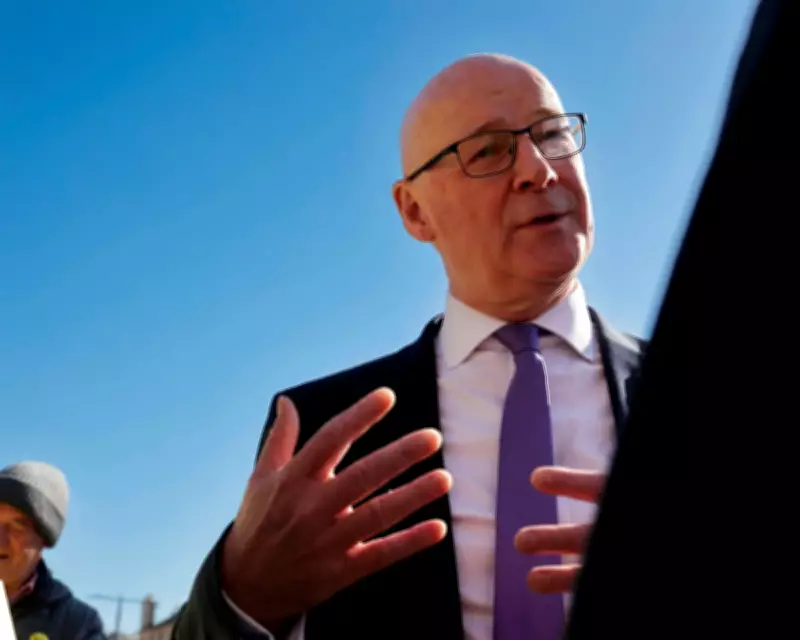
First Minister and SNP leader John Swinney has warned that Reform UK represents an acute threat to Scottish self-government, as polling puts the party neck and neck with Scottish Labour for second place in the upcoming Holyrood elections. Speaking to the Guardian, Swinney said that nationalist victories in Scotland and Wales in May could irrevocably change the dynamics of constitutional debate across the UK.
Reform UK's Threat to Devolution
Reform UK, led in Scotland by millionaire and former Conservative peer Malcolm Offord, has surged in the polls. Swinney argued that the advent of Reform would bring in a sizeable number of MSPs who want to abolish the Scottish Parliament. He also warned of the possibility of a Reform government after the next UK general election that could attempt to abolish the parliament entirely. Although Reform's Scotland manifesto does not propose abolishing Holyrood, it pledges to maximise its benefits while reducing the number of MSPs and introducing a mandatory 10-yearly review of devolution powers. However, the Scottish Election Study found that abolishing the Scottish parliament was the most popular constitutional change among Reform supporters, with support doubling among Conservative voters.
Nationalist Coordination Across the UK
Swinney noted that with Plaid Cymru predicted to win power in the Senedd and Sinn Fein the largest party in Belfast, centre-left nationalist parties aspiring to leave the UK could be in government simultaneously after 7 May. This scenario would force the UK government to recognise the consequence of devolution, allowing different parts of the UK to choose their own policy directions. While Swinney said it would be premature to coordinate policy details before the elections, he confirmed that discussions with Plaid and Sinn Fein are already under way. He emphasised that three first ministers from nationalist parties would fundamentally change the UK.

Criticism and Defence
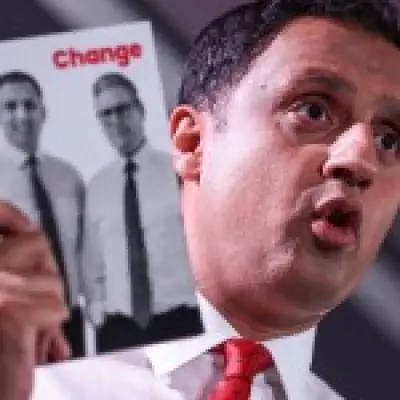
Swinney's overtures to Sinn Fein have drawn criticism from right-of-centre parties and commentators in Scotland. He defended his stance, pointing to the Good Friday Agreement as evidence that progress is possible. Throughout the campaign, Swinney has accused Scottish Labour of planning a grubby backroom deal with Reform to lock the SNP out of government. Labour leader Anas Sarwar has denied this, but Swinney insisted that accepting tacit support from Reform would usher in loathsome politics. He also highlighted his own efforts to oppose Reform, including convening a gathering of political and civic leaders to discuss the threat from the far right.
Swinney remains focused on securing an SNP majority, dismissing questions about future cooperation with the Scottish Greens. He stressed his experience in calming internal SNP strife and relating independence to everyday concerns. As the election approaches, the SNP benefits from a fractured pro-union vote, but turnout remains a significant concern due to voter disengagement and a high number of undecided voters.