Starmer's Calculated Response to US Demands on Iran
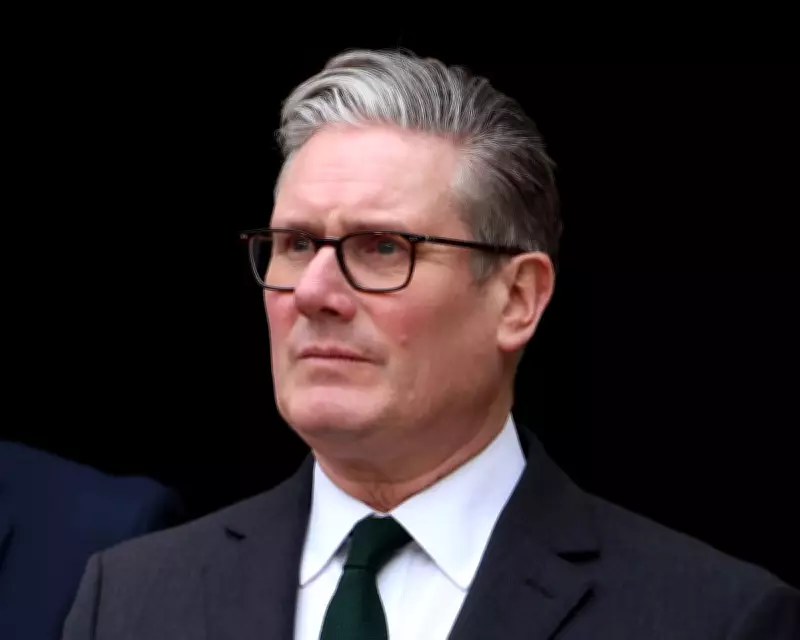
Prime Minister Keir Starmer has faced intense pressure from Donald Trump to provide unwavering support for recent strikes against Iran, yet his response has been notably measured. Unlike past leaders who might have donned symbolic attire, Starmer has avoided plunging the UK into another Middle Eastern conflict. Instead, he has offered support within the bounds of international law, permitting the use of British bases for defensive operations while safeguarding national interests and lives.
Historical Context of US-UK Divergences
The media frenzy surrounding Starmer's decision overlooks critical historical parallels. The so-called "special relationship" between the US and UK has often been tested by disagreements. For instance, during the Suez Crisis in 1956, the US opposed British military action and applied financial pressure, undermining UK influence in the region. Similarly, Harold Wilson refused to deploy troops in the Vietnam War, a principled stand rooted in national interest.
Even during the Falklands War, despite close ties between Margaret Thatcher and Ronald Reagan, the US limited its involvement to logistical support. Later, the US invaded Grenada without consulting the UK, despite its Commonwealth status. These episodes highlight that divergence in foreign policy is not new but essential for a healthy partnership.

Public Opinion and Strategic Priorities
Critics argue that Starmer's stance is self-destructive, but polling data tells a different story. A survey for the i newspaper revealed that 47% of the public oppose joining US strikes on Iran, with only 22% in favor. This alignment with public sentiment underscores Starmer's approach as both prudent and democratic. The conflict has already claimed over a thousand lives in Iran, with potential for wider regional devastation, mass migration, and economic turmoil.
By avoiding offensive strikes, Starmer prioritizes long-term security and minimizes risks to British citizens. Meanwhile, intelligence and military cooperation through alliances like Aukus and Five Eyes continue, ensuring the special relationship endures without compromising sovereignty.
Navigating Geopolitical Peril
In a time of global instability, Starmer's cool-headed resolve sets a precedent. He has balanced principle with pragmatism, putting UK security first while maintaining essential international ties. As historical lessons remind us, a true special relationship allows for disagreement, preventing it from becoming abusive. Starmer's leadership in this crisis demonstrates a commitment to navigating complex challenges with foresight and integrity.