Starmer's Defiant Stance on Iran Earns Public Support and Political Dividends
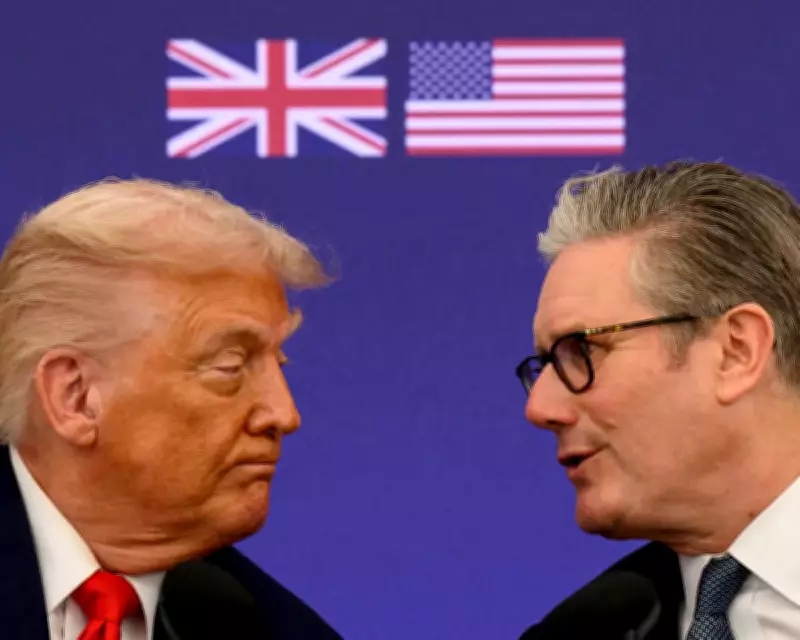
In a significant diplomatic move, Keir Starmer's decision to limit US military access to British bases during the Iran conflict has garnered widespread public backing, placing political rivals Nigel Farage and Kemi Badenoch in a challenging position as they recalibrate their responses. This stance, emerging during Donald Trump's state visit last September, marks a rare instance where a British leader has openly disagreed with an American president, drawing comparisons to historical moments like the Vietnam War era.
A Middle Ground Approach in a Volatile Conflict
Starmer has navigated a delicate balance in the Iran crisis, initially denying the US permission to use UK bases for offensive strikes but later allowing defensive operations against Iranian missiles. This strategy has not only drawn criticism from Trump but also resonated with a British public weary of foreign military interventions following the Iraq and Afghanistan wars. Internal Labour sources suggest this reflects Starmer's authentic political instincts, aligning him more with figures like Robin Cook than Tony Blair on foreign policy matters.
In contrast, Farage and Badenoch initially advocated for stronger support of US and Israeli actions, with Farage stating, "We should do all we can to support the operation." However, as public opinion shifted against the war—fueled by rising petrol prices and economic concerns—both have moderated their positions. A recent YouGov poll indicates that 60% of Britons oppose the military action, while only 25% support it, highlighting the political risks of appearing overly pro-war.

Political Fallout and Strategic Calculations
The conflict has exposed divisions within right-wing parties, with Reform UK and the Conservatives struggling to maintain a consistent message. Badenoch now claims she never supported UK involvement in the war, only defensive measures, while Farage has pivoted to focus on domestic issues like fuel costs, arguing against further foreign entanglements. Andrew Mitchell, a veteran Conservative, criticized Starmer's decision as a "very big mistake" that undermines the UK's national interest and its alliance with the US.
Despite this, internal polling within Downing Street shows strong support for Starmer's approach, with advisors confident it helps mitigate blame for cost-of-living impacts. As one senior figure noted, "This is exactly why we don't think we should be involved in the Middle East." The situation has also revealed tensions within Labour, with some cabinet members, like Emily Thornberry, praising Starmer's leadership, while others express concerns about long-term damage to transatlantic relations.
Broader Implications for UK Politics and Foreign Policy
The Iran conflict has become a litmus test for political positioning, with Reform UK attempting to shift from its isolationist roots to a more neoconservative stance, yet facing challenges as Trump's administration adopts a more interventionist approach. Analysts suggest that the right's initial criticism of Starmer backfired as the conflict prolonged, affecting global economies and voter priorities. Ben Judah, a former foreign policy adviser, observed that opponents underestimated the crisis's duration and impact, leading to awkward policy reversals.
Looking ahead, Starmer's strategy may redefine UK-US relations, emphasizing independence while maintaining the special relationship. Thornberry remains optimistic, stating, "We will always be close to America... but there are times when you can disagree." As the conflict continues to influence domestic issues like petrol prices, Starmer's firm stance could solidify his leadership image, positioning him as a principled figure willing to challenge powerful allies for public good.