Starmer Paves Way for Xi Jinping UK Visit Amid Diplomatic Thaw
Prime Minister Keir Starmer has signalled openness to hosting Chinese President Xi Jinping in the United Kingdom following landmark bilateral discussions in Beijing. This development marks a significant shift in UK-China relations, which Starmer characterised as emerging from an "ice age" during his three-day diplomatic mission.
Diplomatic Breakthrough and Immediate Backlash
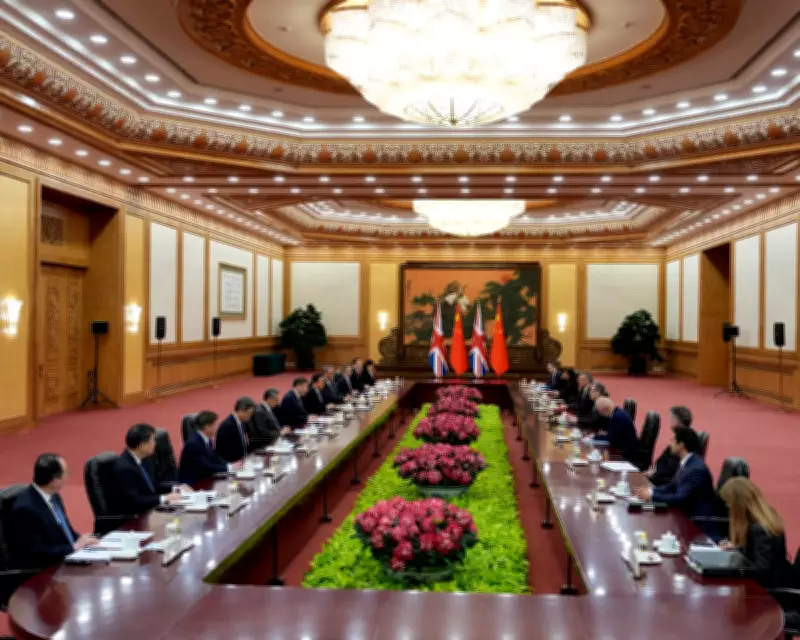
The Prime Minister's official spokesperson confirmed that while no formal invitation has been extended, the government views a "reset relationship" with China as beneficial for British citizens and businesses. This stance emerged after Starmer became the first British leader to visit China in eight years, holding talks with President Xi at the Great Hall of the People.
The potential visit has already drawn sharp criticism from Conservative politicians and human rights campaigners. Five Conservative MPs and two peers who face Chinese sanctions imposed in 2021 have voiced strong opposition to welcoming President Xi while these measures remain in place.

Political Challenges and Historical Context
Several substantial obstacles complicate any potential state visit. Chinese diplomats remain banned from the parliamentary estate following espionage allegations, and the sanctioned British politicians present a significant diplomatic hurdle. Tim Loughton, a former Conservative minister among those sanctioned, described the prospect as a "definite red line" that would require addressing multiple concerns including human rights issues and protest restrictions.
Neil O'Brien, a shadow minister for policy who also faces Chinese sanctions, questioned the logic of extending an invitation while the Chinese ambassador remains barred from parliament due to espionage activities. Conservative leader Kemi Badenoch accused Starmer of failing to prioritise Britain's national interests, citing ongoing Chinese espionage, trade violations, and support for Russia's actions in Ukraine.
Economic Agreements and Diplomatic Nuance
Despite the controversy, Starmer's delegation secured several tangible outcomes from the Beijing summit:
- A reciprocal visa waiver agreement facilitating easier travel between the two nations
- Reduced tariffs on British whisky exports to China
- Multiple economic cooperation frameworks covering various sectors
During their meeting, President Xi acknowledged the "twists and turns" in bilateral relations but emphasised that a more consistent approach would serve mutual interests. He suggested that both leaders could "rise above differences" and "stand the test of history" through constructive engagement.
Human Rights Concerns and Strategic Positioning
Luke de Pulford of the Inter-parliamentary Alliance on China expressed concern that a Xi visit would represent a dramatic reversal of Labour's previous human rights stance, particularly regarding allegations of genocide against Uyghur people. Starmer did raise the case of pro-democracy activist Jimmy Lai during discussions, indicating some attention to human rights issues despite the broader diplomatic reset.
The Prime Minister framed his approach as seeking a "more sophisticated" relationship that acknowledges both economic opportunities and security concerns. He emphasised that global events directly impact British citizens through supermarket prices and national security considerations, justifying engagement with China as part of making Britain "face outwards again."
This diplomatic initiative represents Starmer's attempt to establish consistency in UK-China relations after what he described as years of Tory "inconsistency" that saw relations fluctuate from David Cameron's "golden era" to the recent "ice age." The potential Xi visit now stands as both a symbolic gesture of renewed engagement and a lightning rod for political controversy.