Ian Huntley, Soham Murderer, Dies After Prison Assault in 2026
Ian Huntley, the former school caretaker who murdered 10-year-olds Holly Wells and Jessica Chapman in 2002, has died in hospital more than a week after a brutal assault at HMP Frankland. The 52-year-old was confirmed dead on the morning of Saturday, 7 March 2026, following a period in intensive care. Huntley had been in a vegetative state after suffering severe brain trauma during an attack in the prison's workshop on Thursday, 26 February.
His life support was reportedly withdrawn on Friday after doctors determined there was no chance of recovery and consulted with his mother, Lynda Richards. Police have detained a fellow inmate in his mid-40s, reported to be triple-murderer Anthony Russell, in connection with the assault. His crimes shocked Britain back in 2002, and the Soham murders remain one of the most notorious criminal cases in modern British history.
The Murders That Shocked Britain
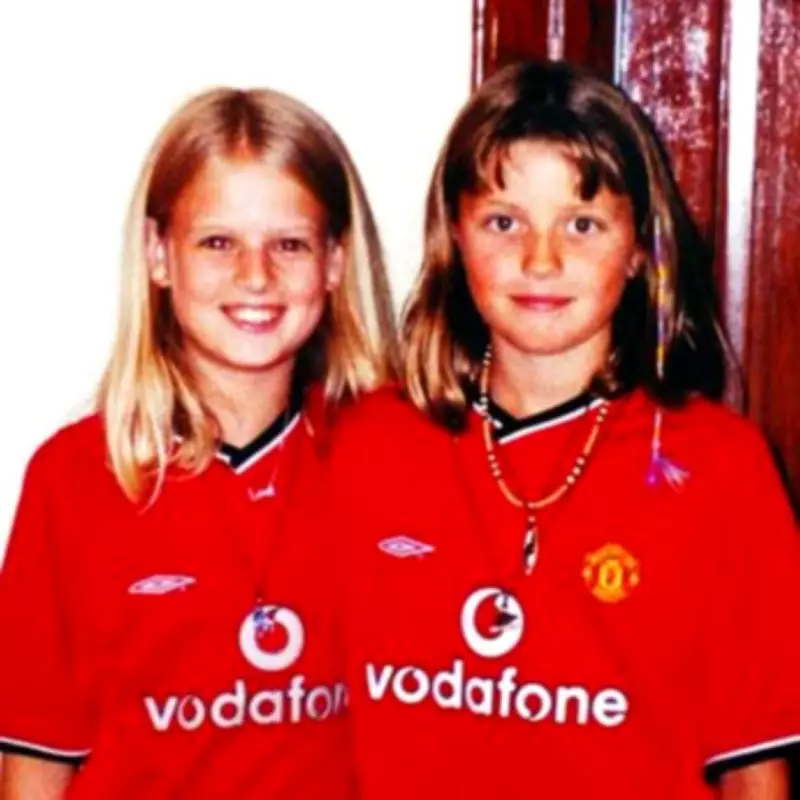
On 4 August 2002, best friends Holly Wells and Jessica Chapman vanished after leaving a family barbecue to buy sweets. The image of the two girls in matching Manchester United football shirts became the face of a 13-day national search that involved hundreds of police officers and thousands of local volunteers. Huntley spotted the girls walking past his house and lured them inside by lying, claiming that his girlfriend Maxine Carr—who the girls liked and trusted as a teaching assistant—was in the house. In reality, Carr was 100 miles away in Grimsby.

After the murders, Huntley meticulously cleaned his home with a "lemony" fluid and took his Ford Fiesta to a car wash to scrub the wheel arches and pedals. Investigators later found traces of brick dust and concrete on the pedals that matched the specific road surface leading to where the bodies were hidden. Huntley cut and burned the girls' matching Manchester United shirts and hid them in a bin at the school where he worked. He also removed the rear seat cover and boot lining of his car, replacing them with ill-fitting household carpet to hide any forensic traces.
The girls were found 13 days later in a ditch near RAF Lakenheath. Due to the summer heat and the use of accelerants in an attempt to burn the bodies, the exact cause of death was difficult to determine, though experts concluded they had likely been asphyxiated.
His Arrest and Trial
Huntley initially managed to embed himself in the investigation, famously appearing in television interviews outside his home, feigning concern and claiming he was the last person to see the girls alive. However, his story began to unravel under police scrutiny:
- The Alibi: His then-girlfriend, Maxine Carr, initially provided a false alibi, claiming she was with him in Soham when she was actually in Grimsby.
- Forensic Evidence: Police found charred remnants of the girls' Manchester United shirts in a bin at the school where Huntley worked.
- The Phone: Jessica's mobile phone was traced to a mast that covered the area of Huntley's home just 30 minutes after they vanished.
At his 2003 trial at the Old Bailey, Huntley admitted the girls died in his home but claimed it was an accident. He alleged Holly had drowned in his bath following a nosebleed and that he killed Jessica accidentally while trying to stop her from screaming. The jury rejected his claims, finding him guilty of both murders. He was sentenced to two life terms with a minimum of 40 years, a term the trial judge said left "little or no hope" of release.
After his conviction, it was revealed that Huntley had been the subject of eight separate police investigations between 1995 and 1999, involving allegations of rape, indecent assault, and sexual relationships with underage girls. The case led to the Bichard Inquiry, which exposed catastrophic failures in how police forces shared information. Huntley had a history of allegations involving underage girls that had not been flagged during his employment check at Soham Village College.

The inquiry's findings led to the creation of the Disclosure and Barring Service (DBS) and a national police intelligence database to prevent similar oversights. In 2011, police set up a computer system which allowed UK forces to share intelligence on 15 million people. A Police National Database was the key recommendation from an inquiry into failings by police in relation to the Soham murders.
A Target in Prison
Huntley's notoriety made him a constant target for other inmates throughout his 22 years in the prison system:
- 2005: Scalded with boiling water at HMP Wakefield.
- 2010: Slashed across the throat with a makeshift blade by inmate Damien Fowkes at HMP Frankland, leaving a seven-inch scar.
- 2026: The fatal workshop beating that ultimately ended his life.