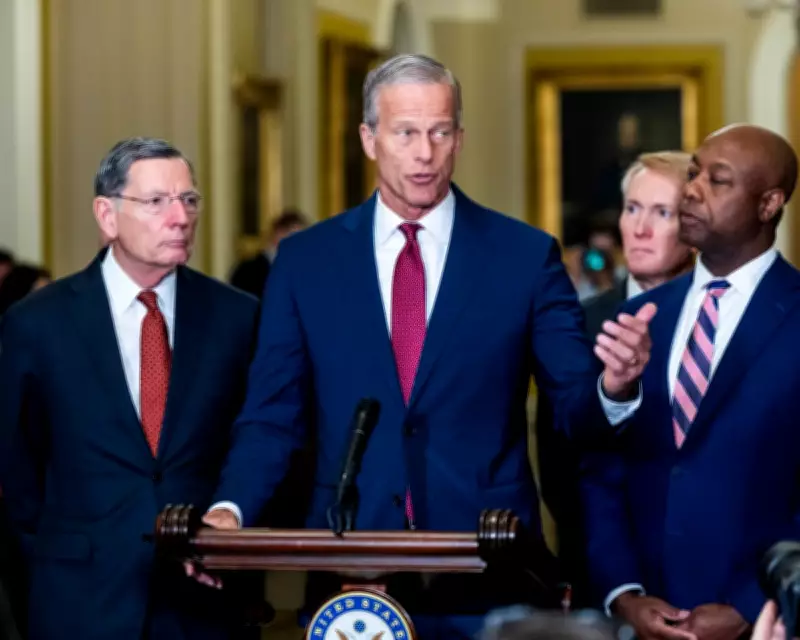
Senate Passes Resolution to Curb Presidential War Powers on Iran
In a decisive bipartisan move, the United States Senate has voted to approve a resolution aimed at preventing President Donald Trump from authorizing military action against Iran without explicit congressional consent. This legislative action underscores growing concerns over the potential escalation of hostilities in the Middle East and represents a significant check on executive power.
Bipartisan Support for Congressional Oversight
The resolution garnered support from both Democrats and Republicans, highlighting a rare moment of unity in a politically divided chamber. Lawmakers argued that the Constitution grants Congress, not the president, the authority to declare war, and this vote reaffirms that principle in the context of Iran. The measure passed with a comfortable majority, signaling broad opposition to unilateral military strikes.
Proponents of the resolution emphasized the need for transparency and accountability in foreign policy decisions. They pointed to recent tensions with Iran, including incidents in the Persian Gulf and diplomatic standoffs, as reasons to require congressional debate before any armed conflict. Critics of the resolution, however, contended that it could undermine the president's ability to respond swiftly to threats.

Implications for U.S.-Iran Relations
This Senate vote comes amid heightened geopolitical friction between the United States and Iran. The resolution does not prohibit all military action but mandates that Trump seek approval from Congress for any sustained offensive operations. It reflects a broader effort by legislators to reassert their role in war-making decisions, a topic that has been contentious since the post-9/11 era.
The outcome is expected to influence ongoing diplomatic efforts and could deter abrupt military escalations. Analysts suggest that this move may encourage more dialogue and de-escalation strategies, as it places additional hurdles on the path to war. The House of Representatives is now poised to consider a similar measure, which could further solidify congressional oversight.
Historical Context and Future Outlook
This resolution echoes past congressional actions to limit presidential war powers, such as the War Powers Resolution of 1973. It highlights ongoing debates about the balance of power between the executive and legislative branches in matters of national security. The vote is seen as a response to Trump's previous statements and actions regarding Iran, which have sometimes been perceived as aggressive.
Looking ahead, the resolution's passage could set a precedent for future administrations, reinforcing the necessity of congressional involvement in military engagements. It also raises questions about how this will affect U.S. alliances and strategic interests in the Middle East. As the situation evolves, stakeholders will closely monitor both legislative developments and diplomatic channels.