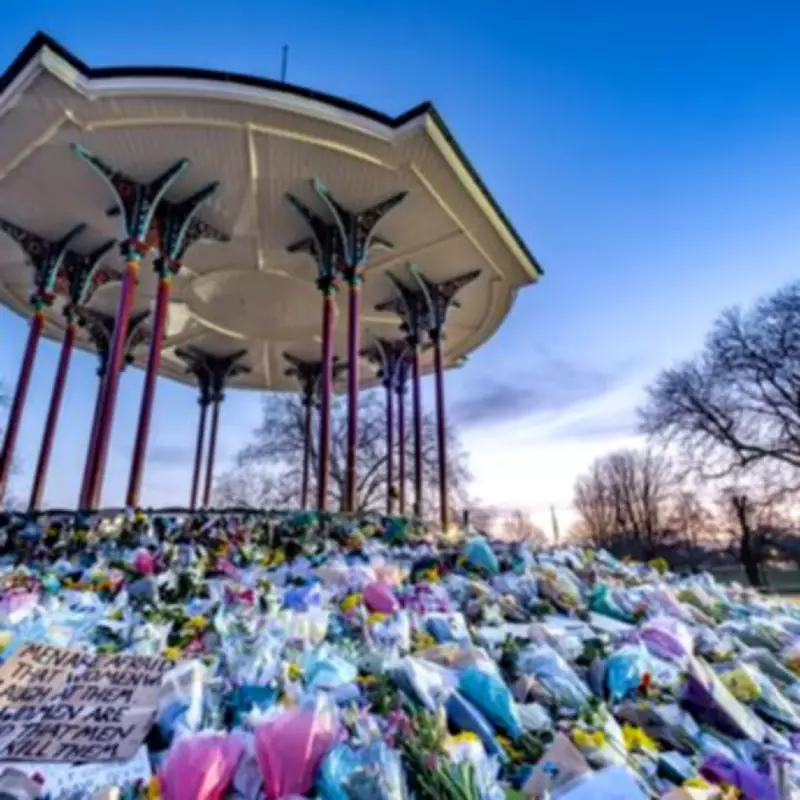
Five Years After Sarah Everard: A System's Failure Beyond One Officer
We marched. We lit candles. We stood on Clapham Common, grappling with an unimaginable tragedy. A woman had been kidnapped, raped, and murdered while walking home in South London. The perpetrator was a serving police officer. Five years later, the name Sarah Everard still carries a profound weight in our collective consciousness.
A Life Stolen and a Family's Grief
Sarah was 33 years old—a marketing executive who loved dancing, a sister, a daughter, and a friend who always texted to say she got home safely. On an ordinary Wednesday night, she left a friend's flat in Clapham just after 9 pm, embarking on a familiar walk home. She never arrived.
During the sentencing, Sarah's family described the life that was brutally stolen: the half-sewn outfits, the washing left hanging, the future that would never unfold. It was a devastating account of loss and injustice.

Beyond the Dock: A Broader Systemic Failure
As details emerged, it became clear this story extended far beyond the man in the dock. The courtroom dealt with one individual, but the country faced a much wider crisis. Initially framed as the act of one monster or rogue officer, the past five years have taught us it was never just about one man.
The Angiolini Inquiry examined how Wayne Couzens remained a serving officer despite red flags. Its conclusions were stark: this was not a case of sudden violence shattering an otherwise spotless record. Instead, it documented years of warning signs.
An indecent exposure allegation in 2015, another at a McDonald's drive-thru just weeks before the murder—reports were made, CCTV gathered, and his vehicle identified. The investigation was still active when he abducted Sarah. The Inquiry found that three separate police forces failed to connect or escalate these clear warnings.
Vetting was inconsistent, intelligence systems fragmented, and allegations recorded but not meaningfully acted upon. Opportunities to remove Couzens were missed, highlighting a culture where concerning behavior did not trigger decisive action.
A Chilling Warning and Parallel Cases
The Inquiry warned that without fundamental reform to vetting, data-sharing, and internal challenge, there is "nothing to stop another Couzens operating in plain sight." This sentence should have halted the nation in its tracks.
This five-year anniversary cannot be reduced to remembrance alone. When institutions fail to act on patterns of sexual misconduct, the problem is not one individual—it is the ecosystem around them.
We have seen similar ecosystems elsewhere. In the Jeffrey Epstein scandal, it was not just the abuse but the network of powerful figures and minimized harm due to status. In France in 2024, the trial of Dominique Pelicot revealed local men in a small town participating in abuse, showing how proximity and entitlement can enable harm.
A common thread emerges: power, proximity, entitlement, and the routine downgrading of harm to women until exposure becomes unavoidable.
Reforms and Ongoing Challenges
Five years on, reforms have been announced. Violence against women and girls is now a national policing priority, vetting procedures strengthened, and officers dismissed. Yet, a follow-up Angiolini report found that a quarter of forces still lack consistent policies for handling sexual offences by their own officers.
Change is happening, but slowly, and cultural shifts lag even further. On Clapham Common, we gathered to grieve, march, light candles, and demand change. What women seek is not vengeance but a culture—in policing, workplaces, and politics—where sexual misconduct is disqualifying and warning signs are escalated, not ignored.
Honoring Sarah and Demanding Accountability
Sarah Everard should be remembered for who she was: warm, principled, funny, and full of plans. Honoring her means rejecting the comforting fiction that this was the work of one uniquely evil man in an otherwise healthy system.
The most chilling line in the Angiolini report was not about 2021 but the warning that, without real cultural change, there is nothing to stop it happening again. Five years on, remembrance is not enough. Candles are not enough. Promises are not enough.

A Commissioner's Apology and Commitment
The Met Police Commissioner stated today: "Sarah Everard should still be here. Five years have passed since her senseless and devastating murder. What happened to her was a profound betrayal." He acknowledged the unthinkable abuse of power and violation of policing values.
Since becoming Commissioner, he has led an integrity reset, doubling vetting failure rates and removing 1,500 officers and staff in three years. Efforts include toughening vetting processes and re-examining allegations of sexual and domestic abuse. He emphasized that tackling violence against women and girls is both an operational and moral priority, committed to repairing trust.
This anniversary serves as a stark reminder of the duty to protect women and girls, ensuring they feel safe, respected, and believed—a goal that requires ongoing, systemic reform beyond symbolic gestures.