
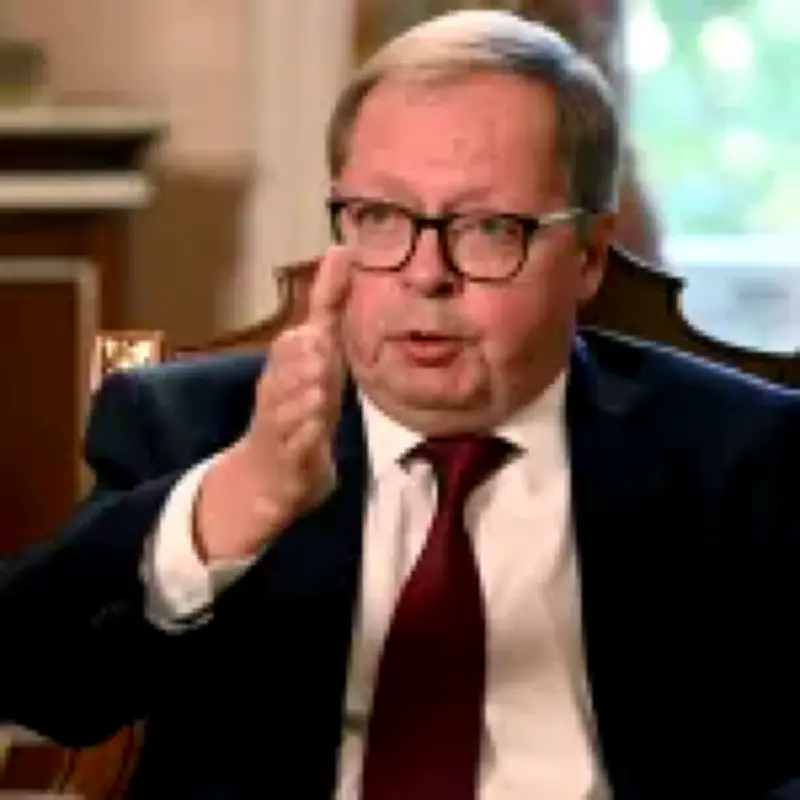
Russia has withdrawn its ambassador to the UK, Andrey Kelin, after seven years in the post, as diplomatic relations between the two countries continue to deteriorate. Kelin left London on July 21, and the Kremlin has not yet put forward a candidate to succeed him, leaving embassy staff uncertain about when a replacement might be appointed, according to The Times.
Embassy accuses UK of confrontation
A spokesperson for the Russian embassy accused the UK of choosing a 'path of confrontation' with Russia, while praising Kelin's 'considerable efforts to preserve contacts and channels of communication' with Britain. The statement added: 'He left Britain in the hope that a more constructive and respectful dialogue could eventually be restored, should the UK reconsider its policies towards our country.'
The embassy is now headed by the chargé d'affaires, the statement confirmed. It remains unclear whether the Kremlin intends to leave the top diplomatic post vacant permanently, but the delay has sparked suggestions that Russia is seeking to downgrade its diplomatic relationship with the UK.
Tensions over Ukraine and drone strikes
Kelin's exit was announced on June 11 during an embassy party marking Russia Day. That same day, the British ambassador Nigel Casey, alongside French and German representatives, met with Russia's deputy foreign minister to protest the war in Ukraine.
Tensions escalated further last week after reports that British-made drones were used for the first time by Ukraine in strikes against Russian targets. Russia's embassy warned that the UK could 'face consequences' for its support and said Britain would pay a 'higher price' if it became more involved in the conflict. Andy Burnham responded by saying he would continue to 'support Ukraine 100 per cent' despite the threats.
Signals of downgrade
A national security source told the Sunday Times that the refusal to appoint a new ambassador could be a deliberate signal from Moscow expressing anger at the UK's ties to Ukraine. 'They are basically saying "you guys don't matter" and that, frankly, London and the UK don't count for anything any more,' the source said.
Kelin was a controversial figure during his tenure, often repeating pro-Kremlin propaganda. In March, he denied a report by the Foreign Office and other European allies that poison from a dart frog had been used to kill Russian opposition leader Alexei Navalny. He also repeatedly rejected accusations that Putin was behind the nerve agent attack that almost killed former spy Sergei Skripal, instead claiming the novichok poisonings had been staged by the British government and secret services.
Experts note that a gap between ambassadors is not unprecedented. John Foreman, the former British military attaché in Moscow, said: 'But the embassy's strident statement this week and the huge deterioration of bilateral relations since 2019 and since the start of the war in Ukraine make me wonder if they will permanently downgrade the relationship this time.'




