Muslim Women and Children Report Attacks on London Transport Amid Rising Hostility
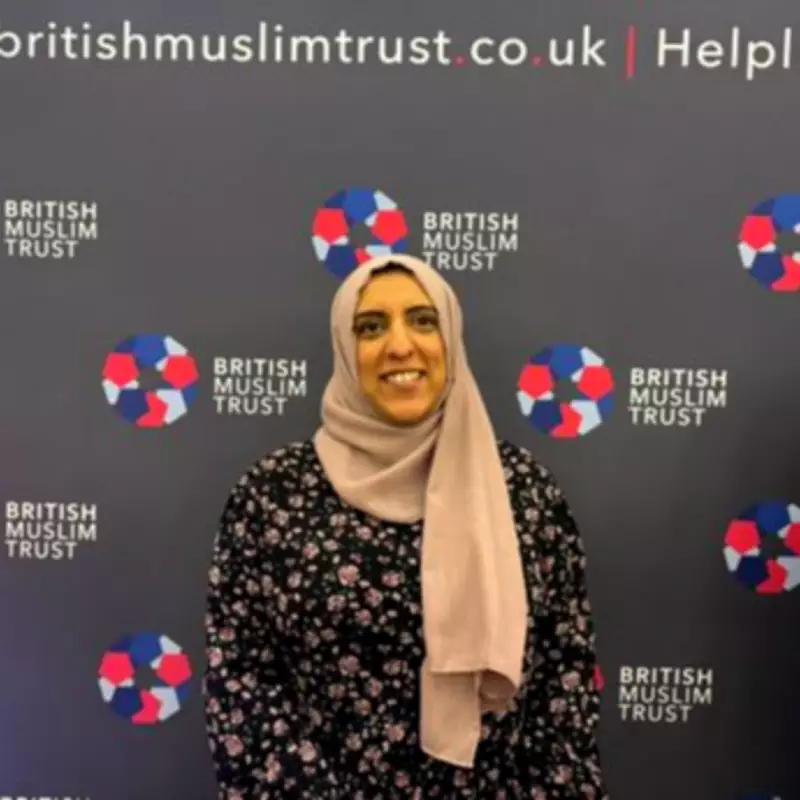
The British Muslim Trust has issued a stark warning about a change in hostility towards Muslim communities in London, with families across the capital feeling increasingly unsafe in their daily lives. According to CEO Akeela Ahmed MBE, Muslim women and young people are particularly vulnerable, experiencing attacks on public transport that have left many fearful about travelling after dark or commuting to and from school.
Surge in Abuse and Community Anxiety
Parents are now grappling with heightened anxiety over their children's safety, a concern that many did not face during their own upbringing. Akeela highlighted a noticeable shift in rhetoric against Muslims, noting that online hostility has intensified, and some individuals appear more confident in hurling abuse at others in public spaces.
Since the riots following the Southport murders, there has been a disturbing trend where people feel emboldened to engage in acts of violence and harassment. "They thought it was okay to harass and abuse people, and actually that set a level of acceptability to target Muslims, migrants and people of colour in ways that we haven't seen before and that hasn't gone away," Akeela explained.

Alarming Hate Crime Statistics
Official figures reveal a troubling rise in hate crimes across England and Wales. In the year ending March 2025, there were 115,990 hate crime offences recorded, marking a two per cent increase from the previous year's 113,166. However, these numbers do not include offences recorded by the Metropolitan Police due to changes in crime recording methods.
Religious hate crimes targeting Muslims saw a significant spike, increasing by 19 per cent over the same period. This surge was particularly pronounced following the Southport murders and the subsequent riots last summer, as reported by the Home Office.
Far-Right Campaigns and Community Division
Akeela pointed to campaigns led by far-right figures, often disguised under the guise of patriotism or unity, which have effectively sown divisions and polarised communities. "As a result of that, we're seeing that people are feeling like they're able to go out and act on their harmful views," she stated, emphasising the real-world impact of such rhetoric.
British Muslim Trust's Role During Ramadan
With Ramadan currently underway, the British Muslim Trust is working diligently to ensure its services remain accessible and to reassure communities of their support. "The British Muslim Trust team have been hard at work ensuring our services are readily available to everyone and that our communities know we are here for them," Akeela affirmed.
Launched earlier this month as a government-funded organisation, the BMT is dedicated to monitoring anti-Muslim hate and Islamophobia in the UK. Its primary objectives include collecting and recording data on such incidents to better understand and address the issue.
Leadership Responses and Calls for Action
Mayor of London Sir Sadiq Khan, who attended the BMT launch, reflected on the hate he experienced growing up in the city. "Now though, the extremists are trying to turn back the clock on the progress we've made. For many Muslims, these are deeply worrying times," he said, citing a terrifying rise in anti-Muslim hatred in recent years.
Metropolitan Police Commissioner Sir Mark Rowley also emphasised the importance of reporting incidents. "If someone feels threatened because of their race or religion they should call us. We will work out whether it's a crime. In either event we need to know about it," he urged, highlighting the need for community vigilance and police engagement.
Despite London's reputation as a diverse melting pot, Akeela noted that some individuals are acting on hateful views, underscoring the necessity for trusted support systems. "That's why it's important that Londoners have somewhere that is trusted that they feel they can go to and get the support that they need," she concluded, positioning the BMT as a bridge between communities and authorities.