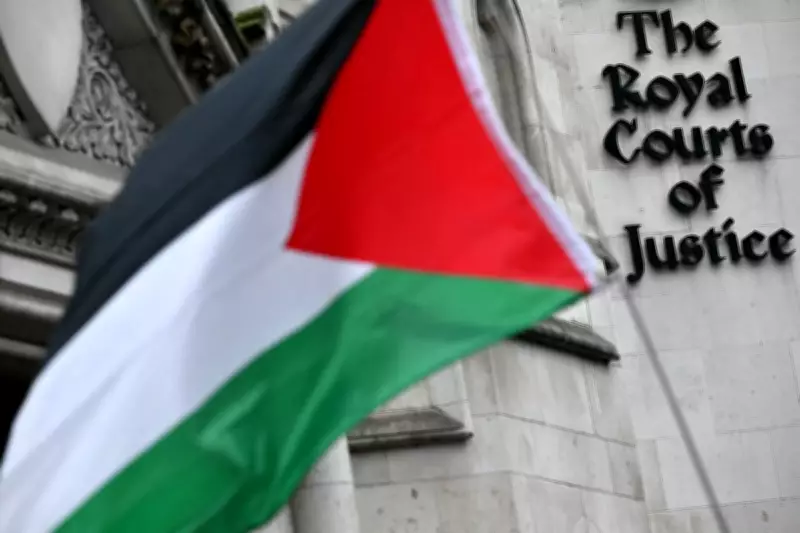
Government Faces Legal Contradiction Over Palestine and Election Rulings
The UK government is currently embroiled in a significant legal controversy, as it has taken contradictory stances on two separate court rulings. On one hand, it is actively disputing a judicial decision related to actions concerning Palestine, while on the other, it has accepted a legal challenge regarding election procedures. This dual approach has sparked widespread debate and criticism, highlighting potential inconsistencies in the government's legal strategy and adherence to judicial authority.
Dispute Over Palestine Action Ruling
In a recent development, the government has chosen to contest a court ruling that addressed its policies or actions related to Palestine. The specifics of this ruling involve legal interpretations of international law, human rights considerations, or diplomatic measures. By challenging this decision, the government is asserting its position, possibly arguing that the court overstepped its bounds or misinterpreted legal frameworks. This move has drawn attention from legal experts and political observers, who question the implications for UK foreign policy and judicial independence.
Acceptance of Election Legal Challenge
Conversely, the government has accepted a legal challenge concerning election procedures, which may involve issues such as voting rights, electoral fraud, or campaign regulations. This acceptance indicates a willingness to engage with judicial oversight in domestic matters, potentially to ensure transparency and fairness in the democratic process. The contrast with its stance on the Palestine ruling is stark, as it shows a more compliant attitude towards court interventions in internal affairs.

Analysis of Legal Consistency
The differing responses to these court rulings raise critical questions about the government's consistency in handling legal challenges. Critics argue that this selective approach undermines the rule of law and could be perceived as politically motivated. For instance, disputing the Palestine ruling might align with broader geopolitical interests, while accepting election-related challenges could be seen as a nod to domestic accountability. Legal scholars emphasize that such contradictions can erode public trust in the judicial system and government integrity.
Furthermore, this situation has implications for the UK's international reputation, as it navigates complex issues like Palestine while maintaining democratic standards at home. The government's actions are being closely monitored by stakeholders, including civil society groups and international partners, who are calling for a more coherent legal stance.
In summary, the UK government's contradictory handling of court rulings on Palestine action and election procedures highlights a broader tension between legal principles and political priorities. As this story unfolds, it will be crucial to observe how the government reconciles these positions and what it means for future legal and policy decisions.