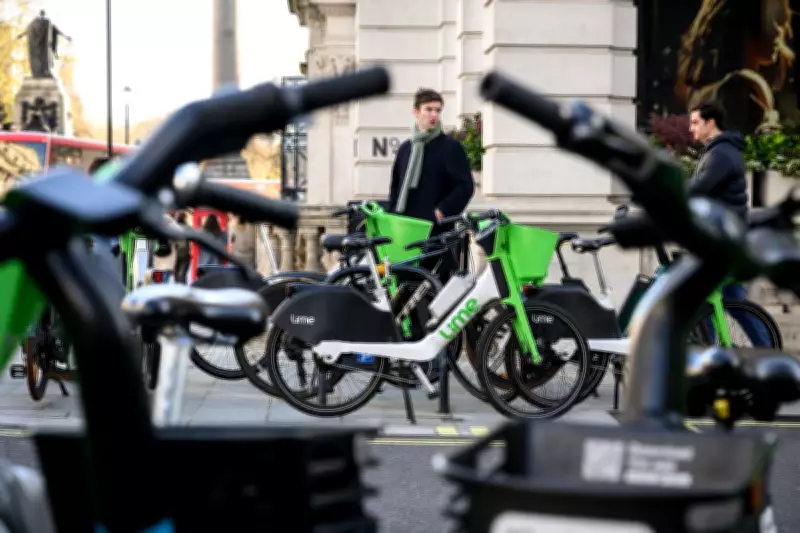
The Unbearable Rise of Whataboutism: A Response to E-Bike Critics
In a recent exchange, Michael Martins received his first piece of fan mail at City AM, sparking a debate over e-bikes on pavements and the broader issue of whataboutism in urban discourse. The letter, from Mrs E Wardale, questioned the safety of e-bikes for blind individuals, prompting a thoughtful rebuttal from Martins.
A Clash of Perspectives on Urban Mobility
Mrs Wardale's letter, referencing Martins' earlier article on NOMPTYs (Not On My Pavement, Thank You), expressed concern that e-bikes pose a hazard to visually impaired people. She suggested that such clutter should not be dismissed lightly, urging a more cautious approach to new transportation trends.
In his response, Martins acknowledged the importance of accessibility but argued against blanket bans. He emphasized that while enabling free movement for all is crucial, the constant use of hypothetical dangers to oppose change is counterproductive. "Whataboutism," he wrote, "is gumming up our city's functioning and infantilising those facing adversity."

Counterarguments for a Dynamic London
Martins presented several points to support his stance. He noted that e-bikes could benefit carers who cycle to patients, reduce overcrowding on public transport, and promote active lifestyles, potentially easing NHS burdens. Ultimately, he framed the debate as a choice between a city that embraces innovation and one that lives in fear.
London's identity, he argued, should be built on creativity and mutual uplift rather than restrictions driven by sensitivity to social justice concerns. He expressed confidence in responsible Londoners to use new technologies considerately, without excessive regulation.
Broader Implications for Urban Policy
Beyond the e-bike debate, Martins highlighted other issues affecting London. He praised Toronto's taxpayer acknowledgments, which led to audits uncovering misappropriated funds, and suggested London adopt similar practices to enhance local accountability.
He also pointed out that 11% of the UK's wealthiest individuals left the country in the past year, warning that this exodus could lead to higher taxes for remaining residents. Additionally, he critiqued recent political missteps by Labour MPs, underscoring the need for better planning and STEM education.
A Lighthearted Diversion: Olympic Curling
In a lighter note, Martins shared his passion for Olympic curling, describing it as a high-stakes, low-intensity sport. He recounted a recent scandal involving a Canadian curler caught cheating, humorously noting the clash with the sport's polite reputation. He encouraged readers to watch the upcoming finals, showcasing his Canadian roots.
Michael Martins, a partner at Overton Advisory and former US Embassy staffer, continues to advocate for a progressive, resilient London, free from the paralysis of whataboutism.