The Republican Succession: Who Follows Trump?
Even as he jokes about an unconstitutional third term, Donald Trump remains the defining force in the Republican party. The next presidential nominee will inherit the monumental task of steering a movement entirely reshaped by Trump into a new, post-Trump political landscape. This individual must navigate the powerful 'America First' ideology while establishing their own leadership.
The Frontrunners and Contenders
Several key figures are already positioned as potential candidates for the 2028 election.
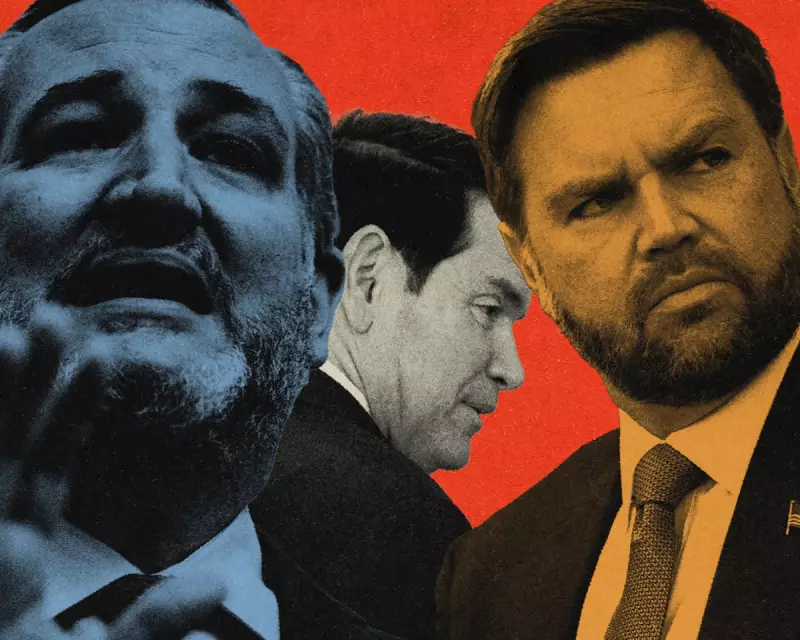
JD Vance, the 41-year-old Vice President, is widely seen as the heir apparent. A former critic turned staunch MAGA ally, Vance's brand of economic populism and cultural conservatism resonates with the party's base. His book, Hillbilly Elegy, catapulted him to fame, and he now leads the 'new right' movement. Early polls suggest he would be an early frontrunner, especially with Trump's endorsement.

Marco Rubio, the 54-year-old Secretary of State, has undergone a remarkable political transformation. Once a primary rival derided as 'Little Marco', he is now a trusted Trump confidant. His hawkish foreign policy, particularly on Venezuela, sometimes puts him at odds with the party's isolationist wing, but his experience makes him a credible contender.
Donald Trump Jr., the former president's 47-year-old son, carries immense name recognition and is a beloved figure at MAGA rallies. Despite having no formal political experience and repeatedly stating he has 'zero interest' in running, his combative style and command of culture-war issues mean a future bid cannot be entirely ruled out.
Ted Cruz, the Texas senator, is re-establishing his profile by challenging figures like Tucker Carlson and defending strong support for Israel. As the winner of the 2016 Iowa caucuses, he has a proven track record with the party's libertarian and evangelical wings, which he hopes to leverage for a second White House bid.
Ron DeSantis, the Florida governor, is seen as manoeuvring for a return to national politics after his term ends in 2026. Following his unsuccessful 2024 campaign, he has worked to rebuild his standing by promoting term limits and aligning more closely with Trump's agenda. He remains a disciplined, policy-focused alternative for a segment of conservative voters.
The Wider Field and Future Alliances
The political landscape is fluid, and other Republicans are waiting in the wings. Figures like Nikki Haley, the former UN ambassador, and Glenn Youngkin, the Virginia governor, could also emerge as credible candidates. The evolution of Trump's presidency will continue to reshape alliances, potentially creating space for new contenders to rise. The fundamental challenge for all will be uniting a party that, for the foreseeable future, still operates in the long shadow of its dominant leader.