A new report from the Equality Trust has issued a stark warning, claiming that structural corruption and the growing influence of the ultra-rich are fundamentally reshaping British politics. The study, titled 'Money, Media and Lords: How the Ultra-Rich are Shaping Britain', points to a sharp rise in unelected power over the past two decades, driven by concentrated wealth.
Priya Sahni-Nicholas, the co-executive director of the trust, stated, "Our new Concentration of Power Index shows that wealth concentration aligns with power." She emphasised that the index's rise closely mirrors the increasing share of wealth held by the top 1%, indicating a strong and statistically significant correlation.
The Conduits of Unelected Influence
The report identifies three primary channels through which this unelected power flows: the House of Lords appointments system, large-scale political donations, and highly concentrated media ownership. These systems, the study argues, have adapted to serve the interests of concentrated wealth in a "legal, slow-moving operation."

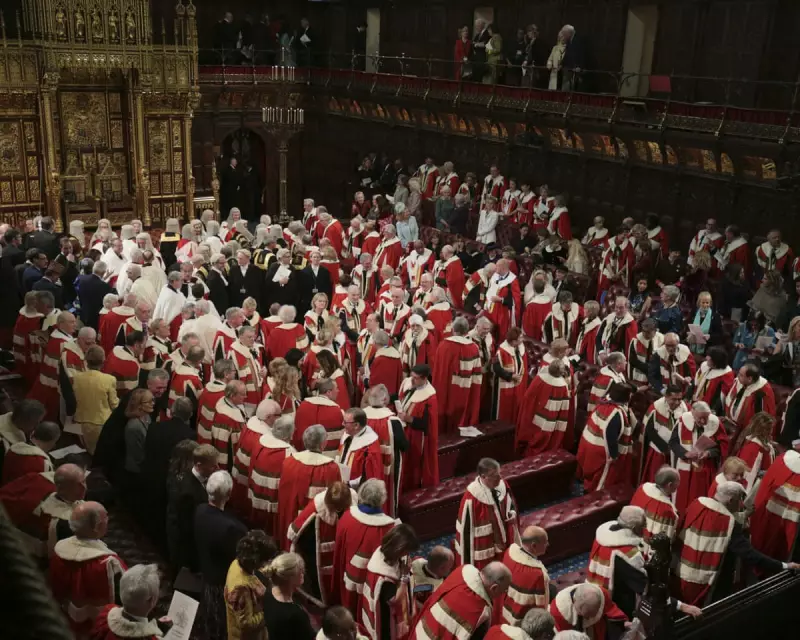
The data reveals a dramatic expansion in the unelected chamber. Membership of the House of Lords has grown from 676 to 803 peers in the last 20 years. This period of growth coincides with an explosion in the value of large political donations. Contributions exceeding £250,000 have skyrocketed from £7.6 million to more than £47 million.
This concern was highlighted just last week when seven peers were accused of acting in an "all but unconstitutional" manner by effectively blocking a bill that had already been passed by the elected House of Commons. Furthermore, The Guardian's analysis found that one in ten peers were paid for political advice during the 2019-2024 parliament.
A Media Landscape in the Hands of a Few
The concentration of power extends deeply into the media sector. The report shows that the share of the UK media market controlled by the three largest news conglomerates has surged from 71% to around 90%. This lack of plurality is echoed by the Media Reform Coalition, which warns the UK media system is in a "perilous state."
Their research found that just three companies – DMG Media, News UK and Reach – now control 90% of UK national newspaper circulation. The local news scene is similarly dominated, with just two corporate chains, Newsquest and National World, controlling 51% of the UK's 882 local newspapers and online news sites.
Adding to the anxiety are government proposals to allow foreign states to own up to a 15% stake in British newspapers. This comes amidst existing concerns over the dominance of Big Tech, with Google commanding 93% of UK search engine use and Meta and Google together accounting for three-fifths of all UK advertising spend.
Calls for Reform and a Defence of Democracy
In response to these findings, the Equality Trust has proposed a series of reforms to counter the influence of unelected power. Their recommendations include:
- Prohibiting private political donations over £5,000.
- Implementing strict limits on political appointments and patronage.
- Encouraging greater diversity in media ownership.
- Investing in and funding independent local media.
Professor Robert Reich, co-founder of Inequality Media, underscored the gravity of the situation, warning that "ultra-rich media owners are tightening their grip on democracy." He argued that billionaire media owners are businessmen first, whose primary goal is profit, not public information. "In an era when wealth is concentrated in the hands of a few individuals who have bought up key media there is a growing danger that the public will not be getting the truth," Reich concluded.