Reform UK has received £72 million in donations, largely from two cryptobillionaires, prompting concerns that wealthy individuals are buying influence over British democracy. The donations, which include the largest single gifts in British political history, have reignited debates about the role of money in politics.
Farage's Anti-Elite Rhetoric Contradicted by Donors
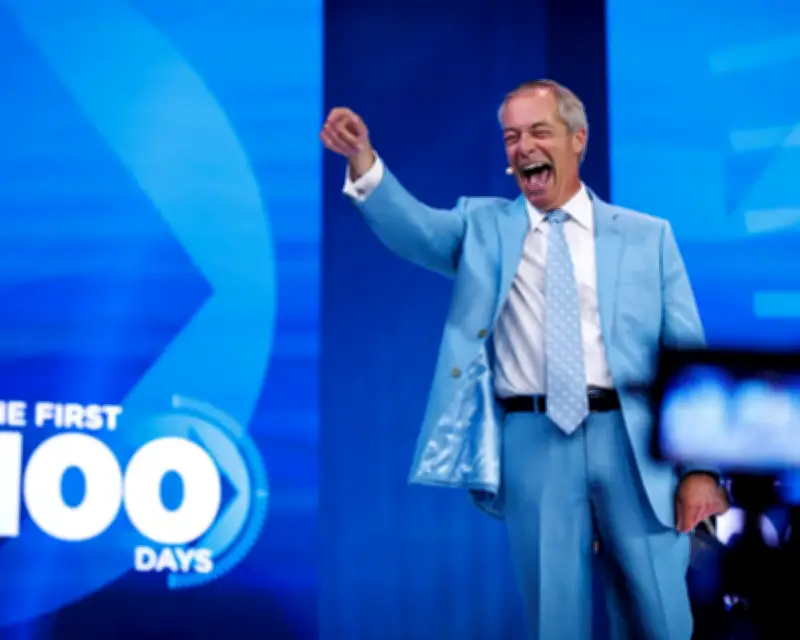
Nigel Farage, leader of Reform UK, has long positioned himself as a champion of the common person against the establishment. In 2016, on the eve of the Brexit referendum, he declared, "This referendum is the people versus the establishment. It is the vested interest, it's the rich, it's the big business." He repeated similar sentiments in 2024, assailing "an unholy alliance of big business, big banks and big government."
However, Reform's funding comes from Ben Delo, a former JP Morgan developer of high-frequency trading systems, and Christopher Harborne, a Thailand-based cryptobillionaire who previously gave Farage a £5 million gift and provided two-thirds of Reform's funding. Both figures are from the world of finance, which Farage has often criticized.

Donations Exceed All Party Spending at Last Election
The two donations, made in a single weekend, now eclipse the total amount spent by all political parties at the last general election. They amount to about 14 times the total spent by Reform at that election, when the party won over 4 million votes, or one in seven votes cast.
Reform claims the donors want "nothing" in return, but the party's plans to slash taxes on crypto assets and establish a "bitcoin reserve" align with the donors' interests. The donations enable Reform to hire hundreds of full-time staff, build local hubs, expand polling and research, and invest heavily in digital advertising, which research shows can shift voter intentions.
Public Skepticism and Potential Backlash
Polling earlier this year found that 83% of Britons believe "wealthy individuals use political donations to influence the government to further their own personal interests." Among Reform voters, that figure was only four points lower. Additionally, Reform voters were nearly 10 times more likely to view a party favorably if it promised to cap donations.
Owen Jones, a Guardian columnist, argues that Labour has failed to confront wealthy vested interests. He notes that Andy Burnham has retreated from his stated desire to cap donations at £500,000. Jones suggests that a different approach, based on redistributing wealth and power, could redirect anger away from scapegoating migrants.
The donations have sparked controversy, and Farage has hinted that they may not be legal under the new elections bill. Whether this will burst the "gilded Reform bubble" remains uncertain, but the outrage may fade unless Labour takes action to address the influence of money in politics.