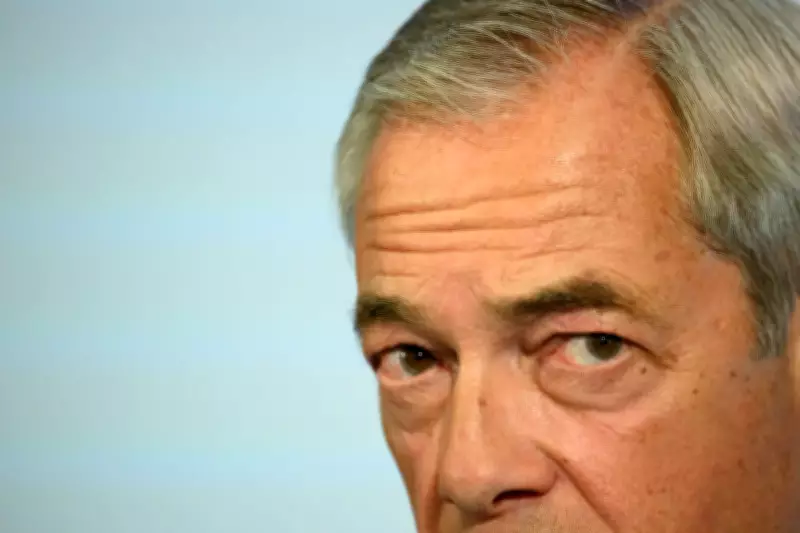
Fresh political polling data has revealed a significant shift in voter intentions, with Reform UK's previously commanding lead slipping as Labour mounts a notable comeback following Sir Keir Starmer's criticism of the war in Iran. The latest research from City AM and Freshwater Strategy shows Nigel Farage's party remains at the top of party rankings but has lost crucial ground just one month before critical local elections across the United Kingdom.
Polling Numbers Show Dramatic Swing
According to the comprehensive survey of 1,250 eligible voters conducted between April 10 and 12, 2026, Reform UK dropped four percentage points to approximately 26 percent of voter intentions. Meanwhile, Sir Keir Starmer's Labour Party surged by four points to reach 22 percent, positioning itself well ahead of competing opposition parties. The Green Party, led by Zack Polanski, maintained 15 percent support, while Sir Ed Davey's Liberal Democrats held steady at 13 percent.
The Conservative Party experienced a modest increase of one point to reach 19 percent in the same polling period. This movement represents the most significant monthly shift in political preferences recorded in recent months and suggests potential volatility in the electorate as the nation approaches important local contests.

Leadership Dynamics and Approval Ratings
In direct head-to-head polling between political leaders, Conservative figure Kemi Badenoch emerged as the preferred choice for Prime Minister, outperforming both Sir Keir Starmer and Nigel Farage in separate matchups. However, in a separate leadership comparison, Starmer defeated Farage by five points, marking the second consecutive month where the Prime Minister has overcome his most significant apparent threat to remaining in Downing Street.
Approval ratings presented a more complex picture of political sentiment. Sir Keir Starmer ranked second from bottom among all figures polled with a rating of minus 34, trailing only Chancellor Rachel Reeves who scored minus 35. Despite this challenging position, Starmer's popularity demonstrated remarkable improvement, jumping eight points from the previous month and narrowing the gap with Farage, who maintained a rating of minus 16.
Other Labour officials showed varied approval levels, with Energy Secretary Ed Miliband at minus 27 and former Deputy Prime Minister Angela Rayner at minus 25. The most favorably viewed Westminster personalities in the survey were Liberal Democrat leader Ed Davey with minus three and Conservative politician Kemi Badenoch with minus four.
Strategic Implications for Labour
The promising polling results for Labour will likely trigger intensive strategic discussions within Downing Street about whether Starmer can sustain this positive momentum and whether the party can attract greater numbers of voters in the coming weeks. The timing is particularly crucial with local elections scheduled across London, Scotland, Wales, and other major regions that will provide clearer indications of whether voters support the government over opposition parties.
Labour's focus on cost-of-living issues faces potential disruption from international turbulence, particularly concerning Middle Eastern conflicts. The ceasefire remains under significant threat due to escalating hostilities between Israel and Iran-backed Hezbollah in southern Lebanon, coupled with deteriorating diplomatic relations between involved nations. These international developments could substantially impact domestic political calculations in the coming months.
Economic Context and International Factors
The United Kingdom's economy faces challenging conditions that may influence voter behavior. Experts anticipate delayed effects from trade disruption in the Middle East, compounded by regulated energy prices that remain insulated from volatile oil markets until June. Prominent economists from both the International Monetary Fund and the Organisation for Economic Co-operation and Development have warned that the UK economy could experience the most substantial growth reduction among all G7 nations, alongside some of the highest inflation levels of any advanced economy.

These economic pressures create a complex backdrop for political campaigning, particularly as parties attempt to address voter concerns about financial stability and international security simultaneously. The intersection of economic policy and foreign affairs has become increasingly central to political discourse as the nation approaches election season.
Methodological note: Freshwater Strategy conducted online interviews with 1,250 eligible UK voters aged 18 and above between April 10 and 12, 2026. The survey carries a margin of error of plus or minus 2.8 percentage points. All data has been weighted to ensure representative sampling of UK voters. Freshwater Strategy maintains membership in the British Polling Council and strictly adheres to its established rules and standards.