Scottish Labour Unveils £30m Living Wage Scheme for Artists
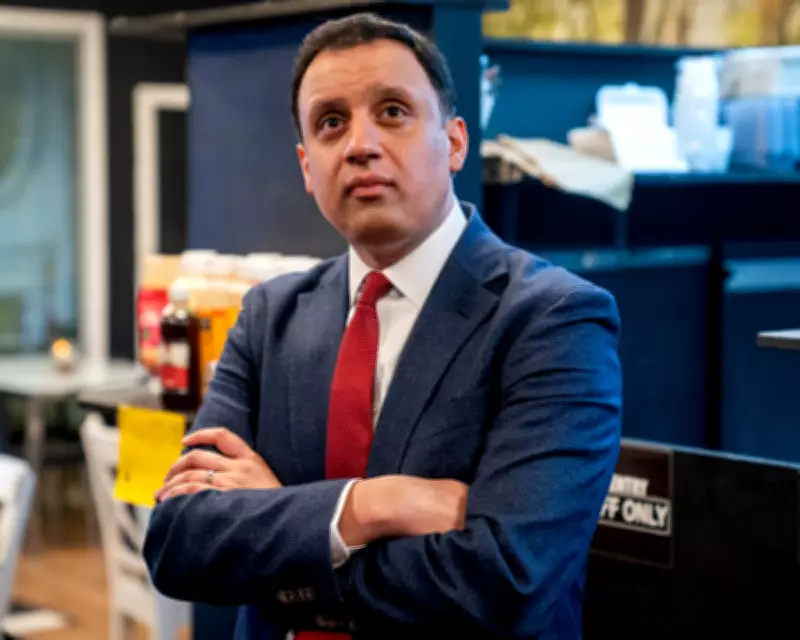
Scottish Labour has announced a bold £30 million initiative to guarantee artists, musicians, and designers a living wage, drawing inspiration from Ireland's successful basic income program for creative professionals. The proposal, revealed by Scottish Labour leader Anas Sarwar, aims to support approximately 1,000 individuals through a two-year pilot project, ensuring they earn at least £14,000 annually. This scheme requires participants to provide proof of other earnings or income, with the goal of integrating arts and culture into Scotland's broader economic strategies if Labour gains power in next month's Holyrood election.
Mirroring Ireland's Successful Model
The Scottish Labour plan closely resembles Ireland's basic income scheme for artists, which provided €325 (£283) weekly to 2,000 artists over three-year cycles. Ireland's pilot, which recouped more than its €72 million net cost through increased arts-related spending, productivity gains, and reduced welfare dependency, was made permanent in February. Sarwar emphasized that Labour's approach would prioritize value for money and maximize outcomes for every pound spent, criticizing current arts funding in Scotland as inefficient and bureaucratic.
"We're going to make sure we deliver an effective budget where every pound is spent wisely rather than layer after layer of bureaucracy, quango after quango," Sarwar stated. "We are going to take responsibility, accountability and spend it in a different way." The proposal includes overhauling Creative Scotland, Scotland's government arts agency, and making cultural organizations eligible for funding from Scottish Enterprise and the national investment bank.

Polling Blow for Scottish Labour
Hours after announcing the policy in Edinburgh, a new Ipsos poll for STV delivered a significant blow to Labour's election prospects. The poll shows Scottish Labour's support at just 15% in the constituency vote, equal to Reform UK and a staggering 24 points behind the Scottish National Party (SNP) at 39%. On the regional list vote, SNP support stands at 29%, with Labour in fourth place at 15%, suggesting the SNP is within reach of an overall majority, while the Scottish Greens are poised for gains.
The poll also indicates that the energy and cost of living crisis, exacerbated by recent international conflicts, has become the top issue for voters, putting additional pressure on the UK Labour government to address fuel prices. This political context underscores the challenges facing Scottish Labour as it seeks to gain traction ahead of the Holyrood election.
Arts Community Reactions and Criticisms
The arts community has expressed mixed reactions to Labour's proposal. Sam Gough, CEO of Summerhall in Edinburgh, Scotland's largest independent arts venue, highlighted the high demand for living cost support among artists, noting that Summerhall's recent residency program attracted over 300 applicants for just three spots. "Ireland's guaranteed wage for artists has been really successful," Gough said. "The strength of work coming out of Ireland has been brilliant. We would say this is a really positive way forward."
However, Mark Langdon, a campaigner to save Glasgow's Trongate 103 arts cluster and head of the GMAC community filmmaking charity, argued that Labour's strategy overlooks the broader social and mental health benefits of the arts. "Creativity must be understood as the vital ingredient in a more holistic understanding of well-being, where the creative arts sector contributes well beyond the economic sphere," he remarked.
Background and Political Context
Labour's announcement follows a contentious dispute over Scottish arts policy in Glasgow, where Trongate 103 faced a four-fold rent increase and ten-fold jump in service charges from the council's property company. Despite a three-year funding deal for arts organizations introduced by the SNP government last year, several Glasgow venues have closed, including the CCA arts centre, and the Glasgow School of Art's Mackintosh building remains damaged by fire.

In response, SNP Culture Secretary Angus Robertson defended his party's record, asserting that cultural spending in Scotland "far outstrips" that in England or Wales under Labour governments. "While Westminster governments have hammered our creative sector with damaging policies including Brexit and Labour's reckless tax on jobs, the SNP has stepped up to provide them with the support and certainty needed to flourish," Robertson said.
As the Holyrood election approaches, Scottish Labour's £30m living wage pledge represents a key part of its cultural and economic platform, even as polling data suggests an uphill battle against the dominant SNP. The outcome will significantly impact the future of arts funding and political dynamics in Scotland.