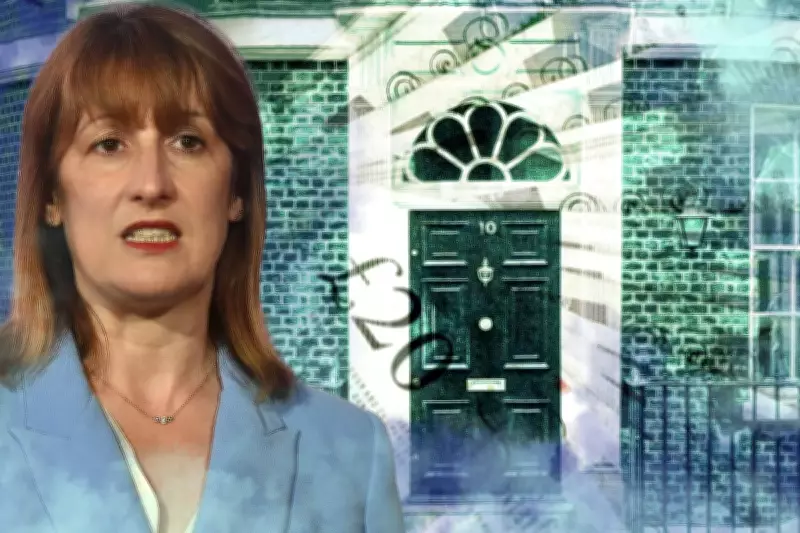
Chancellor Reeves to Emphasize Economic Stability in Spring Statement
Chancellor Rachel Reeves is poised to deliver a Spring Statement today that will trumpet the United Kingdom's economic stability against the backdrop of ongoing conflict in the Middle East. The address, scheduled for approximately 12:30 pm in the House of Commons, comes as official forecasts from the Office for Budget Responsibility (OBR) are expected to reveal projections for lower growth, falling inflation, and higher unemployment in the coming months.
Focus on Cost of Living and National Growth
Reeves is anticipated to defend the government's economic strategy, insisting it remains "right" in an increasingly uncertain global landscape. Her message will center on the cost of living, declining inflation rates, and reduced interest pressures. She will emphasize that the UK economy is "building growth not on the contribution of a few people or a few parts of the country, but in every part of Britain with a state that doesn't stand back, but steps up."
"Because of the decisions we have already taken, we have a stronger and more secure economy," Reeves will tell Members of Parliament. "Inflation and interest rates [are] falling. And in every part of Britain, working people are better off."

Deliberate Approach to Fiscal Events
The Chancellor has intentionally designed this Spring Statement to be less newsworthy than previous fiscal events, following criticism of government economic policies during her tenure's Autumn Budgets and last year's Spring statement. This approach has received some praise from business leaders who appreciate the stability it provides.
Anna Leach, chief economist at the Institute of Directors, noted that the "quietness" surrounding the Spring Statement "provided some welcome stability." Similarly, economist Grant Slade of Morningstar commended Reeves' decision to have the OBR assess government fiscal policy only once annually.
Youth Unemployment and Minimum Wage Concerns
Despite the overall stability message, the government faces significant pressure regarding youth unemployment, which has reached 16.1 percent—the highest level in a decade. The Resolution Foundation think tank has urged Reeves to address the rising number of young people not in education, employment, or training (Neets), suggesting she make this area an "exception" to her policy-light approach.
Louise Murphy, senior economist at the Resolution Foundation, warned: "Britain is perilously close to having a million young people not in education, employment or training for the first time in 13 years. The Chancellor should make a Neet exception to the 'policy-free' fiscal event by expanding eligibility to the jobs guarantee for young people, and making sure support arrives soon."
One potential policy shift involves a request to delay equalizing the minimum wage for 18 to 21-year-olds with the national living wage. While the minimum wage for young workers is set to increase by 8.5 percent to £10.85 per hour in April, following a 16 percent rise last year, employers have expressed concerns that higher wage costs hinder their ability to hire additional workers.
Economic Forecasts and Global Uncertainties
Barclays' chief UK economist Jack Meaning anticipates the OBR will revise downward its optimistic growth forecast of 1.4 percent for this year, while the peak unemployment rate could be adjusted upward to 5.2 percent for 2026. Public sector borrowing might be revised down by £8 billion for the current financial year due to a larger-than-expected budget surplus recorded by HMRC in January.
However, these forecasts come with significant caveats. The conflict in the Middle East has caused recent surges in oil and gas prices, which could add approximately 0.7 percentage points to global inflation if oil prices reach $100 per barrel. These factors are not expected to be fully accounted for in the OBR's updated projections.
Fiscal Challenges and Political Pressures
Reeves' fiscal headroom against her rule to balance day-to-day spending with tax receipts by 2030 could shrink from £22.7 billion to around £20 billion, primarily due to new spending requirements for special educational needs and disabilities (SEND) following a recent government white paper.

City analysts remain skeptical about the long-term viability of the government's fiscal plans, citing pressure from backbenchers to increase government spending and commitments to raise defence spending to three percent of GDP within the next decade. Neil Mehta, portfolio manager at RBC BlueBay Asset Management, noted: "In the short term here, there's a good window where gilt can perform. But over the long term, the political risks are still quite large, because the government is again struggling to really get a grip of the fiscal trajectory."
As Reeves delivers her Spring Statement, she must balance messages of economic stability with acknowledgment of significant challenges—from global conflict impacts to domestic youth unemployment—while maintaining fiscal discipline in an uncertain political and economic environment.