Chancellor Faces Political Firestorm Over Tax Justification
Chancellor Rachel Reeves has strongly denied allegations she misled the public about the reasons behind last week's £26bn tax increases, insisting the measures were necessary to ensure economic stability and protect public services.
The Labour chancellor finds herself at the centre of a political storm after her explanation for the tax rises shifted from pre-budget messaging. Opposition MPs, including Conservative leader Kemi Badenoch, have demanded her resignation over what they claim are contradictory statements.
Fiscal Rules Versus Growth Forecasts
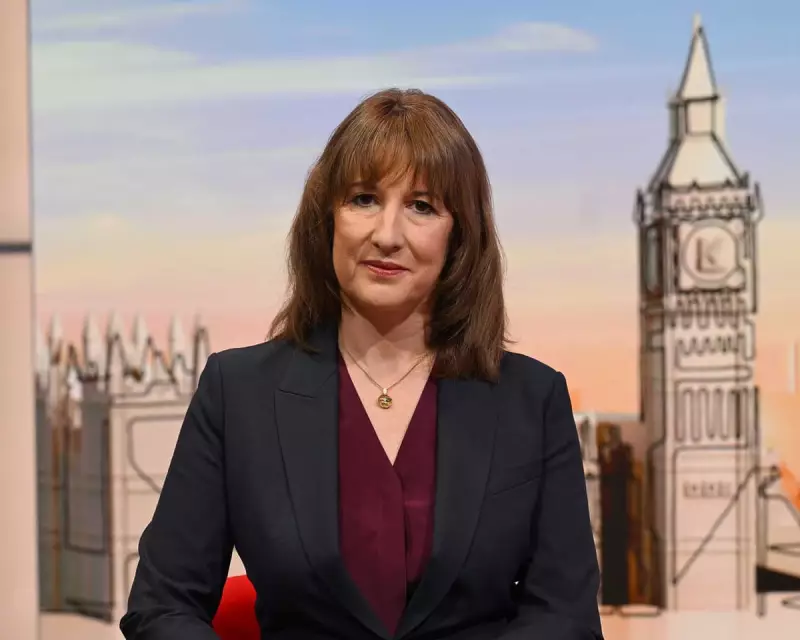
In a Sunday interview with BBC's Laura Kuenssberg, Reeves revealed the tax increases were primarily designed to create headroom against her fiscal rules, boosting her financial buffer from £9.9bn to £21.7bn. This justification contrasted sharply with her pre-budget comments that tax rises would be necessary due to expected downgrades in growth forecasts.

The Office for Budget Responsibility ultimately did reduce productivity expectations, but reported that stronger-than-expected wage growth and tax receipts would more than compensate. This revelation has sparked accusations that the chancellor misrepresented the economic situation to justify breaking manifesto commitments.
"I wanted to build up the fiscal, economic resilience," Reeves told Kuenssberg. "If I was on this programme today and I was saying £4bn surplus is fine, there was no economic repair job to be done, I think you would rightly be saying that's not good enough."
Opposition Demands Resignation
Conservative leader Kemi Badenoch didn't mince words in her response, telling the BBC: "The chancellor called an emergency press conference, telling everyone about how terrible the state of the finances were, and now we have seen that the OBR had told her the complete opposite. Because of that, I believe she should resign."
Badenoch defended her aggressive parliamentary style, which included accusing Reeves of "wallowing in self-pity and whining about misogyny and mansplaining." The chancellor acknowledged these personal criticisms made her "uncomfortable" but remained defiant about her position.
Reeves responded to the pressure with characteristic determination: "I was an MP in opposition for 14 and a half years. I have been underestimated all the way through my life. As a young girl from an ordinary background, people make assumptions about me. I've defied them before, and I will defy my critics again."
Prime Minister's Support and Future Plans
Downing Street has firmly backed the chancellor, with a Number 10 source stating: "The idea that there was any misleading going on about the need to raise significant revenue as a result of the OBR figures, including the productivity downgrade they contained, is categorically untrue."
Prime Minister Keir Starmer is expected to defend Reeves in a Monday speech where he will also announce new measures to boost economic growth. These include cutting business regulation and reforming rules for building nuclear power plants.
The budget decisions have created significant political tension, with the chancellor's team now working to justify tax threshold freezes that will help fund approximately £8bn in additional welfare spending beyond previous plans.