Pope Leo XIV Leads Vatican Prayer Vigil, Confronts Trump Administration Over Iran Conflict
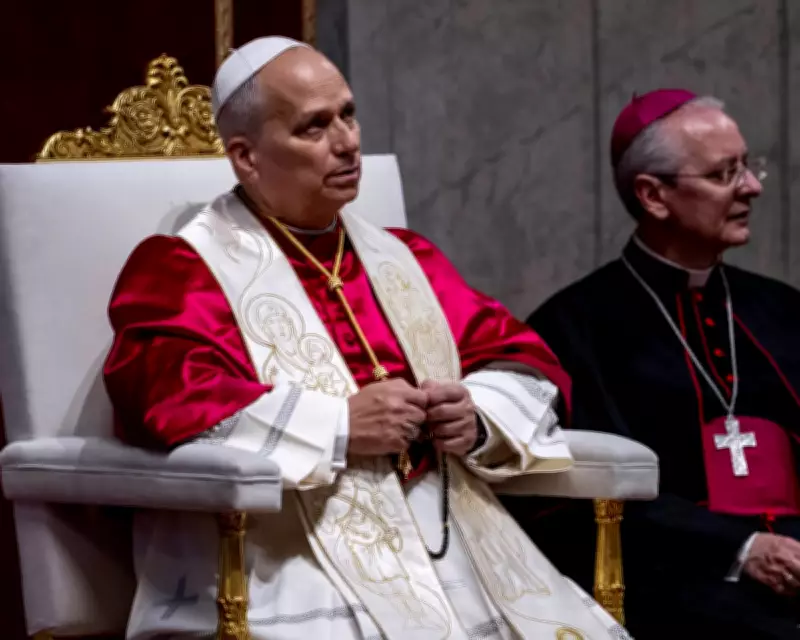
On April 11, 2026, Pope Leo XIV presided over a solemn prayer vigil for peace at the Vatican, marking a significant moment in his papacy as he continues to address global conflicts with moral clarity. The event highlighted the pontiff's growing role as a counterweight to the aggressive foreign policies emanating from Washington.
Continuing Francis's Legacy of Moral Advocacy
One year after the passing of Pope Francis, his successor Leo XIV has demonstrated that while his personal style may be more restrained, his commitment to speaking truth to power remains equally potent. Francis, known for his charismatic engagement with secular audiences and his clashes with the Trump administration over immigration and climate change, set a precedent of papal intervention in political matters. Leo XIV, the first American-born pope, has now taken up that mantle with particular focus on the ongoing illegal war in Iran.
The documentary tribute to Francis by renowned filmmaker Martin Scorsese, premiered at the Vatican this week, serves as a reminder of the late pope's ability to connect beyond traditional Catholic circles. Leo XIV acknowledged this legacy, stating that "his memory remains vivid in the church and throughout the world," while making clear his determination to follow in those footsteps.

Direct Criticism of Trump's Rhetoric and Actions
Pope Leo's most pointed remarks have targeted the apocalyptic language and reckless military actions of the Trump administration regarding Iran. When US Secretary of Defense Pete Hegseth, an evangelical Christian, publicly called for Americans to pray for victory in Iran "in the name of Jesus Christ," the pope responded with a homily declaring that Jesus "does not listen to the prayers of those who wage wars. He rejects them."
Speaking to reporters afterward, Leo XIV elaborated: "I do not think the message of the gospel should be abused, as some are doing ... too many innocent lives have been lost." This represents the most direct papal condemnation of US military policy since Francis's clashes with then-Vice President JD Vance over the misuse of St. Augustine's theology to justify slashing foreign aid budgets.
Trump's Reaction and Shifting Catholic Sentiment
The American president's response has been characteristically combative, featuring abusive posts on his Truth Social platform—which the pope dryly noted for its ironic name—along with the sharing of an AI-generated image depicting Trump as a Christ-like figure and selective readings of Old Testament passages perceived as favorable to his MAGA movement.
However, political analysts note that Trump's standing among American Catholics has been declining, with disapproval also coming from influential Catholic leaders like Italian Prime Minister Giorgia Meloni. This suggests that Pope Leo's moral arguments are gaining traction despite the administration's attempts to frame the conflict in religious terms.
The Vatican as Global Moral Counterweight
In an era where universal values are increasingly threatened by nationalist agendas and the erosion of international institutions, the Catholic Church under Leo XIV is positioning itself as a crucial platform for defending vulnerable populations and promoting peace. The pope's interventions reflect a recognition that religious leadership must engage with political realities, particularly when Christian nationalism has become intertwined with political movements like MAGA.
As illiberal forces continue to undermine norms designed to protect the weak from the powerful, the Vatican's global reach provides a unique platform for resistance. Pope Leo XIV appears committed to using that platform much as his predecessor did—whether in advocating for asylum seekers, addressing climate emergencies, or now, challenging unjust wars. His prayer vigil for peace serves as both symbolic gesture and substantive critique, signaling that the moral voice of the papacy remains undiminished.