Police Failed to Arrest Nottingham Triple Killer on Warrant Months Before Fatal Attacks, Inquiry Hears
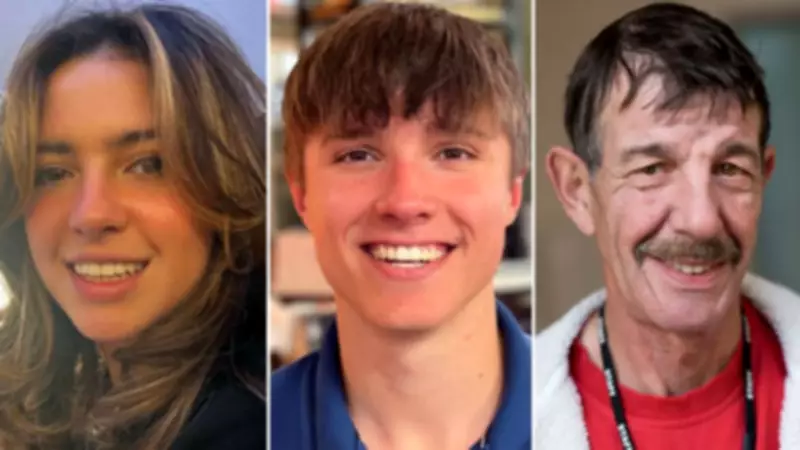
An inquiry has heard that police failed to execute an arrest warrant for a violent schizophrenic man more than nine months before he went on to kill three people in Nottingham. Valdo Calocane, who admitted manslaughter by diminished responsibility, killed University of Nottingham students Barnaby Webber and Grace O'Malley-Kumar, both 19, as well as 65-year-old caretaker Ian Coates, and attempted to murder three others in June 2023 attacks.
Systemic Police Failures and Missed Opportunities
The arrest warrant was issued in September 2022 after Calocane did not attend a hearing at Nottingham Magistrates' Court over accusations of assaulting an emergency worker. Despite this, he was not arrested, and a month before the attacks, he assaulted two colleagues at a factory in Kegworth, Leicestershire, yet Leicestershire Police also failed to detain him at that time.
In an opening statement on behalf of the relatives of the victims, Tim Moloney KC condemned any potential police claims that arresting Calocane would not have made a difference, labeling such assertions as "cowardly, highly offensive and insulting." He emphasized that if police argue executing the warrant would have been ineffective, it raises grave concerns about public safety in Nottinghamshire and Leicestershire.

Apologies and Accountability in the Inquiry
John Beggs KC, representing Nottinghamshire Police in the inquiry, acknowledged the force should have executed the warrant in a "timely manner" but "failed to do so at all." He quoted the temporary deputy chief constable, Rob Griffin, who described the failure as a "serious, systemic, operational failure" and offered an unreserved apology to the families of the deceased and survivors.
Beggs also questioned whether it was realistic for Calocane to have been prosecuted, convicted, and imprisoned given his mental illness at the time. He noted that Nottinghamshire Police believed they did their "reasonable best" to manage 10-11 incidents with Calocane before the killings, which involved mostly low-level antisocial behavior, but argued that paranoid schizophrenia is not a condition police are trained to handle, pointing to the NHS and clinical services as primary responders.
Further Shortcomings and Legal Proceedings
Hugh Davies KC, representing two Leicestershire Police officers, revealed that an officer did not check records of Calocane's previous police encounters before the warehouse incident. If she had, she would have discovered the outstanding arrest warrant. Leicestershire Police's chief constable apologized for these shortcomings, with officers candidly accepting their errors.
Calocane was sentenced to an indefinite hospital order in January 2024 after admitting manslaughter by diminished responsibility and attempted murder. The inquiry, which will hear evidence until June this year, is expected to produce a report with recommendations in 2027, aiming to address systemic issues and prevent future tragedies.