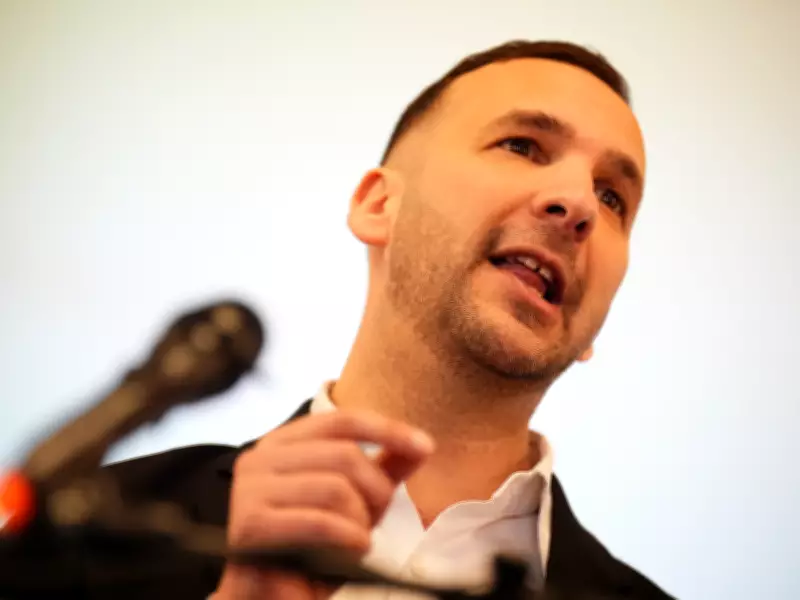
In a significant political development, Green Party leader Zack Polanski has unveiled a comprehensive economic agenda that is drawing both sharp criticism and growing public support. Delivering his vision on Wednesday, March 18, 2026, Polanski positioned the economy as the central focus of his party's platform, marking a notable shift from traditional environmental issues like recycling and rewilding.
A Diagnosis of Economic Stagnation
Polanski began with a stark assessment of the current economic climate, stating that many citizens feel they are "running every day just to stay in the exact same place." He emphasized that for countless individuals, the ability to afford vacations or save money has completely evaporated. This resonant message has struck a chord with voters frustrated by economic pressures, even as critics warn his proposals could have devastating consequences.
The Rising Appeal of Green Economics
Despite concerns about policy viability, the Green Party's popularity is surging dramatically. Recent YouGov polling places them at 19 percent support, ahead of both Labour and Conservative parties at 17 percent each, with only Reform UK leading at 25 percent. This political volatility suggests a plausible scenario where dozens of Green MPs could form a hard-left faction within a coalition government after the next election.

Polanski's economic framework, described by some observers as a reimagined version of Corbynomics, includes several controversial measures that would fundamentally reshape Britain's economic landscape. While traditionalists argue these policies would bankrupt the nation, they appeal strongly to left-leaning voters disillusioned with mainstream political options.
Radical Policy Proposals
The Green leader outlined a straightforward wish list derived from his economic analysis:
- Implementing aggressive taxation on oil and gas companies
- Nationalizing key utilities and essential services
- Introducing comprehensive wealth taxes targeting affluent individuals
- Establishing rent control mechanisms across housing markets
- Significantly increasing public spending across multiple sectors
Wealth Tax as Immediate Priority
Polanski described his wealth tax proposal as "a day one priority" for any Green government, arguing it "would send a very clear message" about economic redistribution. Additional financial reforms include extending national insurance to investment income and equalizing tax rates between income and capital gains.
The Green leader also proposed replacing the Office for Budget Responsibility with "a panel of experts" who would advise on whether government spending levels were appropriate—either excessive or insufficient. While acknowledging his policies wouldn't solve every economic challenge, Polanski expressed unwavering confidence in the benefits of increased taxation, public spending, nationalization, and regulation.
Political Implications and Future Scenarios
Polanski concluded his presentation by asserting that the Green Party can no longer be dismissed as a fringe political movement. Given current polling trends and the fractured nature of British politics, this assessment appears increasingly accurate. The Greens' potential influence in a future coalition government raises important questions about what policy concessions they might demand as the price of their participation.
As the political landscape continues to evolve, Polanski's economic agenda represents both a significant departure from traditional Green priorities and a potentially transformative force in British politics. Whether these policies represent dangerous economic experimentation or necessary reform remains fiercely debated, but their growing popularity suggests they will play a central role in upcoming political discussions and electoral campaigns.