
Platner's Rise and Fall
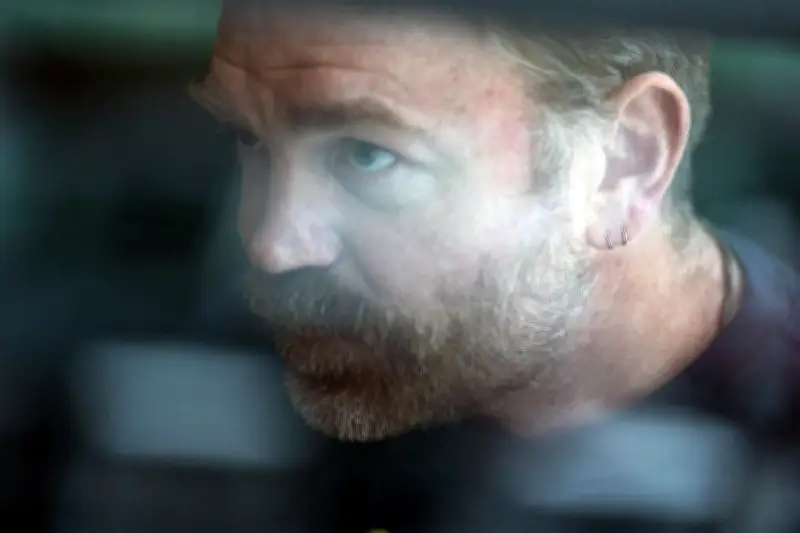
Graham Platner, a military veteran turned oyster farmer, was seen by many Democrats as an authentic candidate after Kamala Harris's 2024 loss. Despite controversies including racist, sexist, and homophobic posts, a Nazi-symbol tattoo, and sexually explicit messages, his momentum only stopped after a rape accusation, which he denies. He withdrew from the US Senate race, leaving Democrats questioning who will replace him.
Double Standard in Political Forgiveness
Amanda Litman, co-founder of Run for Something, said: “White men get to fail. Women do not get to make mistakes. People of color do not get to make mistakes.” She argued Platner was given unusual latitude to recover from earlier controversies that a female or minority candidate would not have. Litman called Platner the “political equivalent of the Fyre fest guy or Adam Neuman,” noting inherent trust in white men's capabilities.
Self-Censorship Among Women and Minorities
Run for Something's vetting process asks candidates to disclose potential background check issues. Litman said women and people of color are more likely to “self-censor” or decide not to run. Chris Rabb, a Black progressive candidate, said: “Folks who have been identified as hardscrabble, populist, left-of-center white guys get far more leeway than folks like me.” He noted that without a problematic tattoo, he might not be viable even in a majority-Black district.
Women Candidates React
Annie Andrews, the Democratic Senate nominee in South Carolina, wrote on X: “I’m just a girl, running for the US Senate, with a medical degree, a record of service, and a non-problematic past.” Michelle White of Emily’s List said: “Time after time, we have to watch strong women candidates get dismissed while some disastrous men take up all the oxygen.” Sara McGee, a Texas state house candidate, expressed disbelief that Democrats accept disqualifying characteristics in their own candidates.
Research on Gender and Candidacy
Kelly Dittmar of Rutgers University noted that women often start from a deficit, needing to prove they fit voters' expectations. A 2008 survey found women weigh family and community impacts, while men run because they want the job. Women face higher moral standards, a phenomenon called the “character pedestal.” Dittmar said: “The fall from the pedestal is longer and harder.”
Changing Norms and New Candidates
Since 2016, some norms are changing. Darializa Avila Chevalier, a democratic socialist, toppled a senior incumbent despite scrutiny over deleted social media posts. Kat Abughazaleh, who lost an Illinois primary, revealed her narcolepsy, facing criticism. She said: “I don’t have a fucking Nazi tattoo. I can promise you, I’ve never raped anyone.” She hopes the Platner saga prompts Democrats to widen their search for authentic candidates beyond white men.




