Orbán Alleges Ukrainian Threats to Family in Emotional Video Release
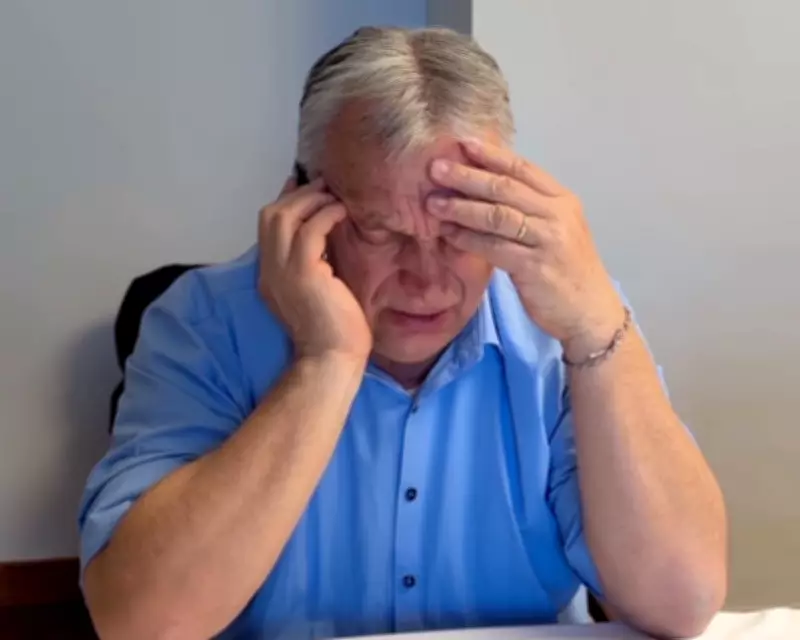
Hungarian Prime Minister Viktor Orbán has made a dramatic claim that Ukrainians are plotting to attack his family, releasing a video on Wednesday night that purportedly shows him speaking to his daughters on the phone. In the footage, Orbán appears emotional as he warns, "I’m sure you’ll see on the news that the Ukrainians have threatened not only me but you as well." He added, "My kids and my grandkids … We have to take this seriously but we must not be scared." This move comes as Orbán faces a tight election next month that could end his 16-year nationalist rule, with polls showing him up to 20 points behind challenger Péter Magyar.
Background of the Dispute and Escalating Tensions
The accusation follows threats from Hrihoriy Omelchenko, a retired Ukrainian politician and former SBU security service member, who suggested in a televised interview that vigilantes could target Orbán if he does not change his anti-Ukrainian stance. Earlier, Ukrainian President Volodymyr Zelenskyy had made comments about Orbán that reportedly led European allies to urge him to moderate his rhetoric. Orbán, known as the most pro-Russian leader in the EU, has seen relations with Kyiv deteriorate further amid the ongoing conflict.
The latest tensions were triggered by Ukraine's announcement that repairs to an oil pipeline transporting Russian oil to Hungary would take several weeks after damage from a Russian drone attack. In response, Orbán vetoed additional EU sanctions on Russia and a €90 billion loan for Ukraine. The situation escalated last Friday when Hungary's anti-terrorism police impounded a convoy of two armored cars belonging to Ukraine's state savings bank, Oschadbank, arresting seven Ukrainians and seizing tens of millions of euros in cash and 9kg of gold bars.

Legal and Diplomatic Fallout from the Seizure Incident
Kyiv described the cash transfer as a normal government operation, with prior notification to Hungarian authorities, but Budapest alleged money laundering. The seven men were held incommunicado for over 24 hours before being deported to Ukraine, while the assets remain in Hungary. Their lawyer, Lóránt Horváth, stated, "Every aspect of the procedure was unlawful, in particular the withholding of legal assistance." One detainee with diabetes was hospitalized during interrogation, reportedly transported in handcuffs and with a hood over his head.
Ukraine's foreign ministry claimed "psychological and physical pressure was exerted on the detainees," with a security source in Kyiv alleging Hungarian counterintelligence tried to force a confession video using "Russian-style methods." In a diplomatic exchange, Ukrainian Foreign Minister Andrii Sybiha accused Hungary of "state terrorism," while Hungarian counterpart Péter Szijjártó dismissed the claims as "pretty pathetic" and questioned the purpose of the cash transfer.
Election Dynamics and Broader Implications
With the Hungarian election set for April 12, Orbán has intensified his anti-Ukraine campaign, portraying himself as a peace candidate and warning that a win for Magyar would drag Hungary into the war on Ukraine's side. Reports indicate a Kremlin-aligned thinktank has drafted disinformation plans to boost Orbán's re-election chances. Orbán's government has maintained positive relations with Moscow, with Szijjártó visiting Russia 14 times since the 2022 invasion.
At a rally in Vecsés, Orbán told supporters, "Is Zelenskyy forming a government, or am I? And if we only have these two options I suggest myself." This rhetoric underscores the high stakes of the upcoming vote, which could reshape Hungary's foreign policy and EU relations. The ongoing dispute highlights how domestic politics are increasingly intertwined with international conflicts, raising concerns about stability in the region.