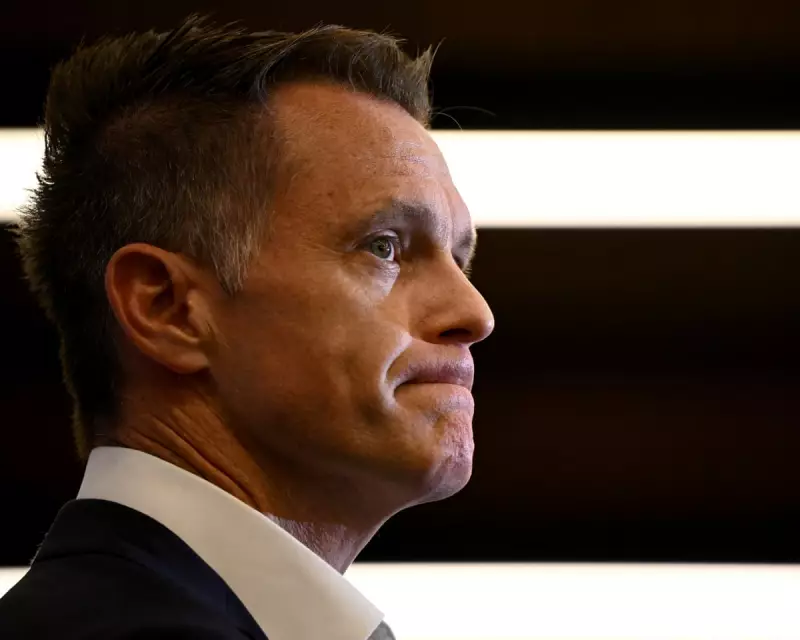
The New South Wales government is set to hand local councils significantly enhanced powers to close down illegal places of worship, as part of a major crackdown on venues labelled 'factories of hate'. Premier Chris Minns announced the legislative reforms on Monday, directly linking them to community safety concerns following last month's Bondi terror attack.
What the New Laws Will Do
The proposed reforms aim to clarify and strengthen the ability of councils to shut down premises operating without proper development consent. The most significant new power will allow councils to cut off utilities to any premises that continues to operate in defiance of a shutdown order. Furthermore, financial penalties for violations are set to increase dramatically.
Fines for individuals operating an unlawful religious premises will jump from $11,000 to $110,000. For corporations, the penalty will rise from $22,000 to a substantial $220,000. Councils will also be required to consult with NSW Police on community safety matters before granting any development consent for a new religious premises.

Catalyst and Context
The policy shift follows heightened scrutiny of certain religious centres after the Bondi Junction stabbings. Last month, Canterbury Bankstown Council moved to close an Islamic prayer hall associated with cleric Wisam Haddad, after a review found it never had approval to operate as a place of worship. Media reports have alleged the Bondi attacker was a follower of a preaching movement led by Haddad, though Haddad's lawyer has vehemently denied any knowledge or involvement in the attack.
Premier Minns stated the reforms were squarely aimed at shutting down venues that 'operate unlawfully while promoting hatred, intimidation or division'. He emphasised, however, that the laws would not apply to informal gatherings like Bible study groups or prayer meetings in homes. Councils will not be made arbiters of what constitutes hate speech, but the new powers are designed to act against illegal operations where such speech is reported.
Reactions and Concerns
The announcement has drawn mixed reactions. Civil liberties groups have expressed deep concern about potential infringements on freedom of religion. Timothy Roberts, President of the NSW Council for Civil Liberties, argued councils are '100% ill-equipped for this role' and warned it could encourage communities to inform on one another.
Meanwhile, the state's acting opposition leader, Natalie Ward, accused the Premier of 'chasing a headline' rather than providing a comprehensive solution to rising antisemitism. She noted the government had previously refused to support opposition amendments to hate speech laws.
Premier Minns has indicated that further legislative measures to tackle hate speech are being considered. A separate parliamentary inquiry into banning slogans likely to incite hatred is currently accepting submissions, with a report due by 31 January.