
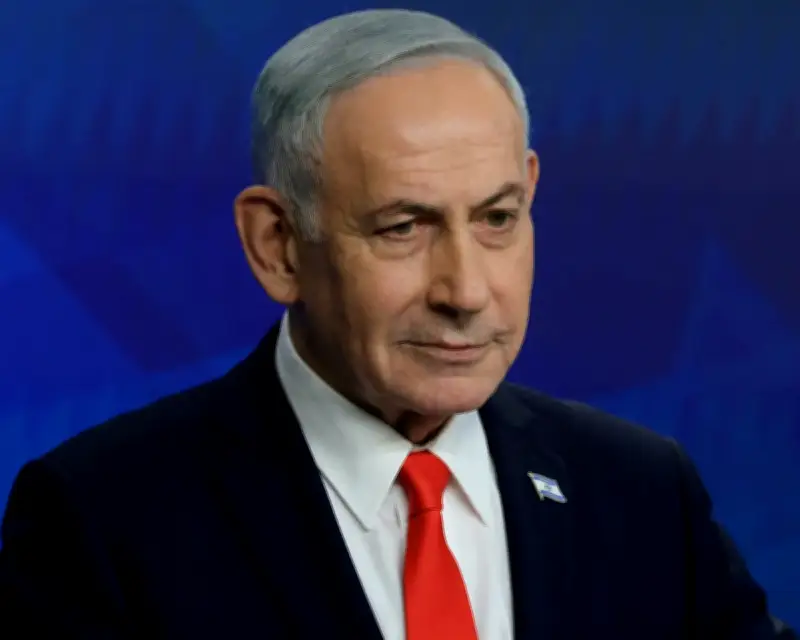
Israeli Prime Minister Benjamin Netanyahu's public rejection of a US-backed deal for Gaza has drawn scepticism in Israel, with reports indicating he was personally involved in drafting withdrawal plans just days earlier. The move highlights his struggle to balance incompatible demands from far-right coalition partners and international allies, particularly US President Donald Trump.
Netanyahu's Rejection of US Plan
On Sunday, Netanyahu dismissed a 15-point plan for Gaza that included a Hamas commitment to disarm, a key Israeli demand. He also resisted US pressure to end wars in Gaza, Lebanon, and Iran without Israel's full buy-in. The comments blindsided Israeli commanders who had been discussing the plan's implementation with Netanyahu and Chief of Staff Eyal Zamir days before, according to Israel's Channel 12 television.
"We learned about it today from the media," a defence official told the station. "At the meetings that were held until now, the prime minister personally gave his consent to this plan and to a withdrawal from the points in Rafah." The meetings covered precise boundaries of three pilot areas in southern Gaza where a proposed international force could take over from the Israeli military.
Domestic vs. International Pressures
Netanyahu's coalition relies on far-right parties that advocate intensified attacks and Israeli settlements in Gaza. In contrast, Trump, who provides vital diplomatic and military backing, seeks a permanent settlement and a return to Palestinian control, brokered by the Board of Peace he chairs. With an Israeli election looming in just over two months, Netanyahu appears to be placating domestic partners already on the campaign trail.
The rejection came shortly after a reported visit by Adm Brad Cooper, head of US Central Command, who delivered the message that the Trump administration wants Israel to end its wars in Gaza and Lebanon. "The Americans' message to the IDF was to move in the direction of shutting down all three theatres of operations," a senior Israeli military officer told Channel 13.
Risks of Defying Trump
Defying Trump, known for being thin-skinned, is risky when Israel is internationally isolated and needs US military supplies. However, Netanyahu has a history of audacious political manoeuvring. In May 2024, then-President Joe Biden announced an Israeli-backed ceasefire plan, only for Netanyahu to distance himself and ultimately reject it.
For now, Washington appears to have shrugged off Netanyahu's comments as electioneering, perhaps encouraged by military decisions indicating attentiveness to Trump's wishes. Last week, Netanyahu scaled back airstrikes by raising the threshold for authorising attacks, requiring chief of staff approval for targeted killings unless forces are in "imminent danger." He has also limited the offensive in Lebanon and ordered fighter jets heading for Iran to turn back at Trump's demand.
US Patience May Be Limited
Netanyahu's combination of fierce domestic rhetoric and conciliatory steps may buy time, but US patience could run out before Israel's late October polling day. Trump has his own election concerns, with US midterms a week after Israel votes. Netanyahu's White House visit last month was notably low-profile, ending without a joint statement, according to Haaretz. "That's how it is when you try to juggle too many balls; you start dropping them," the paper said.
Nickolay Mladenov, the Board of Peace's top envoy, declined to comment on the rejection, saying only that "discussions continue."
Humanitarian Impact in Gaza
Palestinians in Gaza have endured nearly a year of deadly limbo after Trump brokered a nominal ceasefire last October. Israeli attacks have continued, killing over 1,200 people, and Israel has blocked equipment, supplies, and fuel needed for rebuilding homes, schools, and medical infrastructure. Most of Gaza's surviving population live in tent camps with little sanitation, and over 70,000 children are projected to need treatment for acute malnutrition by April 2027, according to food security experts.
Netanyahu's office rejected reports that he discussed detailed withdrawal plans for Gaza.




