MPs Push for Formal Apology Over Britain's Historical Role in Palestine
A group of dozens of MPs and peers from across all political parties is calling on the British government to issue a formal apology for the United Kingdom's actions during its administration of Palestine in the early to mid-20th century. This demand is supported by a comprehensive 400-page legal petition submitted to the government, which outlines detailed allegations of unlawful conduct and war crimes committed between 1917 and 1948.
Legal Petition Details Allegations of Unlawful Actions
The petition, authored by leading British KCs Ben Emmerson and Danny Friedman, asserts that Britain engaged in a series of violations during its occupation of Palestine. According to the document, these include the unlawful failure to recognise Arab self-determination, a lack of proper legal authority for the Balfour Declaration and the subsequent mandate, and the commission of war crimes and crimes against humanity. Specific accusations encompass murder, torture, arbitrary detention, and mass home demolitions.
In September, the Britain Owes Palestine campaign group delivered this substantial petition to the government, but it has yet to receive an official response. Alongside the petition, 45 MPs and peers signed an open letter urging the government to confront its historical responsibilities and support contemporary peace efforts through a formal apology.

Historical Context: Palestine from 1917 to 1948
The period under scrutiny began in 1917 with the Balfour Declaration, in which Britain pledged support for a "national home for the Jewish people" in Palestine. From 1920, the League of Nations formally granted Britain a mandate over Palestine, requiring the facilitation of Jewish immigration and self-governance. This led to conflicting promises for both Jewish and Palestinian communities, resulting in periodic violent uprisings.
In 1948, following the failure of the 1947 UN partition plan, Britain withdrew and handed responsibility to the UN, leading to the establishment of the State of Israel. The petition argues that Britain's actions during this era have had lasting impacts on the ongoing conflict in the region.
Political and Legal Perspectives on the Apology Demand
Liberal Democrat MP Layla Moran, the first British MP of Palestinian descent, emphasized the significance of this issue. She stated, "During its occupation of Palestine, Britain violated a series of international laws that were binding at the time. The consequences of those actions have profoundly shaped the conflict we witness today, yet successive governments have refused to acknowledge this record or offer a formal apology."
Legal expert Victor Kattan, who assisted in drafting the petition, highlighted the importance of an apology. He told Sky News, "Our main ask is for an official public apology from the prime minister and a conversation about reparations. An apology would be very meaningful to the Palestinian people, it's a form of catharsis, recognising someone's pain and suffering, even if it's in the past." Kattan clarified that they are not seeking direct financial payments but rather educational initiatives, such as including this history in the national curriculum and museums, and possibly erecting a memorial.
Personal Stories and Broader Implications
Palestinian philanthropist Munib Al-Masri, 91, who was shot by British soldiers as a child and still carries shrapnel in his body, is leading the petition effort. He remarked, "What Britain did in Palestine did not end when it left in 1948. The policies and violence of that period helped create the conditions for the calamity we are living through today. An official apology is about recognising that history and the harm it continues to cause."
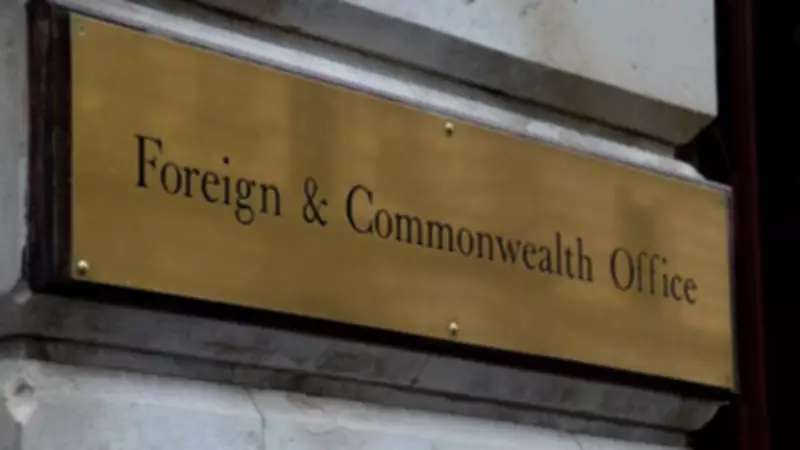
The Foreign Office has declined to comment on the petition, stating it does not routinely address such matters. This call for an apology comes amid broader discussions about Britain's historical responsibilities and its role in promoting peace in the Middle East today.