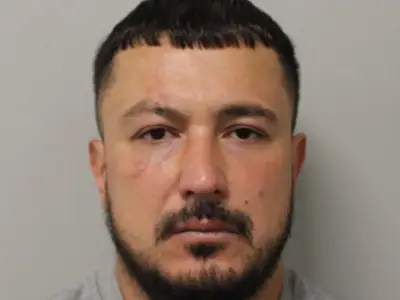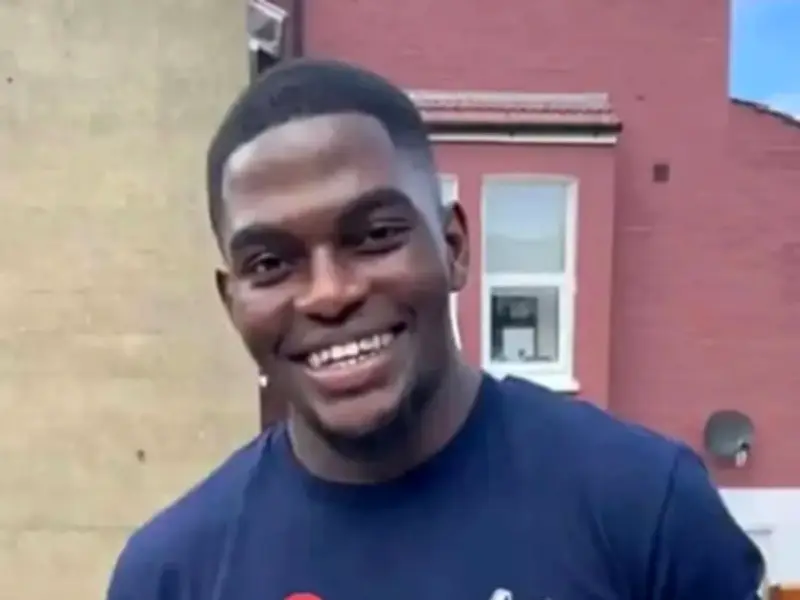
The Metropolitan Police have submitted that a full inquest into the death of Chris Kaba, who was shot by a police officer in 2022, is “not in the public interest”. The force’s position was outlined during a pre-inquest review held on Thursday at Southwark Coroner’s Court, where senior coroner Dr Julian Morris heard legal arguments before deciding whether to resume the inquest.
Background of the shooting and legal proceedings
Sergeant Martyn Blake, also known by the cypher NX121, shot Mr Kaba, 24, in Streatham, south-east London, in September 2022 after Mr Kaba allegedly tried to ram his way past police cars. An inquest into Mr Kaba’s death was opened and immediately adjourned in October 2022, pending an investigation by the Independent Office for Police Conduct (IOPC).
In August, the IOPC confirmed that the police marksman would not face disciplinary proceedings. Sgt Blake was cleared of murder after a trial at the Old Bailey in October 2024. Following his acquittal, then-home secretary Yvette Cooper vowed to change laws around the use of force by police officers. As a result, the test used by the IOPC over whether to bring misconduct proceedings was raised to the level used in criminal law.
On the night Mr Kaba died, police had followed and penned in the Audi he was driving because it had been linked to three previous firearms incidents in five months. They were not aware of his identity at the time, but Mr Kaba was a member of one of London’s most violent street gangs and was accused of being involved in two shootings in the six days before he died.
Met Police argue against resuming inquest
Met Police Deputy Assistant Commissioner James Harman said the circumstances around Mr Kaba’s death have already been fully established during the independent IOPC investigation and criminal trial. He stated: “In particular, the actions of officer NX121 have been comprehensively examined and cross-examined. After four years of unimaginable stress and uncertainty for the officer and his family, the facts of what happened are known and he has been cleared of any wrongdoing.”
Harman added: “While our thoughts remain with Mr Kaba’s family for their loss, resuming the inquest and duplicating the investigations that have already taken place is not in the public interest. Firearms officers risk their lives to keep the public safe – and as professionals they understand that any police shooting will be rightly scrutinised to establish the facts. But there must be an end point to that process, and it is our submission to the coroner that we have reached that point in this case.”
Jason Beer KC, representing the Metropolitan Police, told the court there was “not a sufficient reason” to resume a full inquest, as the issues had already been explored by the IOPC investigation and criminal proceedings. He said: “The purpose of resumption is not to provide an opportunity to revisit matters which were already ventilated, or to conduct a general inquiry into the wider circumstances surrounding a death.” Beer added that resuming the inquest would place Sgt Blake in an “invidious position” of facing “further protracted proceedings and renewed, intensive personal scrutiny”.
Patrick Gibbs KC, representing Sgt Blake, said the incidents had been “covered exhaustively in the criminal trial” and argued an inquest would be a “duplication” of other proceedings. He noted that Mr Kaba’s family were “present throughout the trial, including when the jury were not”.
Family’s legal team calls for inquest to proceed
Matthew Ryder KC, representing the Kaba family, said it would be “astonishing” and “highly unusual” if there was not an inquest into his death. He argued there was “sufficient reason” to resume the inquest, which would allow the family to be “involved in broader issues of fact finding”.
In his legal submissions on Thursday, Mr Ryder said the family wanted to find out “why did this police officer shoot our son?” He told the court: “They want there to be an investigation to provide at least an opportunity to find out if the officer acted unreasonably in perceiving their son as a threat for which lethal force was needed.” Ryder also said the criminal trial was “not a substitute for an inquest” and an inquest would help “learn lessons from those tragic events”.
Mr Ryder said he could not think of “any case in modern history or an equivalent where a police officer has shot someone in public and there has not been an inquest”. He also expressed that the family found it “disappointing and misguided” that Metropolitan Police Commissioner Sir Mark Rowley was “positively resisting the resumption of an inquest”. Ryder told the court: “The family find it very difficult to understand why the commissioner does not want to know through the process of an inquest. Why did this officer shoot Mr Kaba and, in particular, whether the officer had a reasonable belief about the threat posed by Mr Kaba when he did so.”
Coroner to decide by early next year
Mr Kaba’s family held hands during the hearing as the earlier criminal trial was discussed. Mr Ryder added that his death was an “immense tragedy” for his family and resulted in public demonstrations of support, “particularly in the black community”.
Dr Morris said he was likely to make a decision on whether to resume the inquest “around the end of the year or beginning of next year”, as he is presiding over a jury inquest in the coming months. The coroner’s ruling will determine whether the full inquest proceeds, with the Met Police and the Kaba family presenting opposing views on the matter.