Metropolitan Police Faces Backlash Over Anti-Racism Strategy Restructuring
The Metropolitan Police has ignited controversy by announcing plans to integrate its dedicated anti-racism strategy into a wider anti-discrimination program. This move, intended to address multiple forms of prejudice including gender and sexual orientation, has been met with sharp criticism from experts and community advocates who argue it dilutes the force's commitment to tackling systemic racism against black people.
Academic Condemns Strategy as "Insulting and Backward"
Dr Shereen Daniels, the academic who authored a damning report on race for the Met last year, has labeled the new plan "embarrassing and insulting." Her report, titled "30 Patterns of Harm," found that the Met inflicts racial harm on black communities and that its organizational design perpetuates this harm. Daniels asserts that rebranding the focus to inclusion allows the police to avoid confronting deep-seated institutional issues.
"Dropping race for inclusion is insulting for those who have been harmed," Daniels stated. "This makes a mockery of the experiences black Londoners, police officers, staff, and volunteers have endured for decades." She has since decided to cease collaboration with the Met, citing a lack of genuine commitment from leadership.

Commissioner Defends Broader Approach
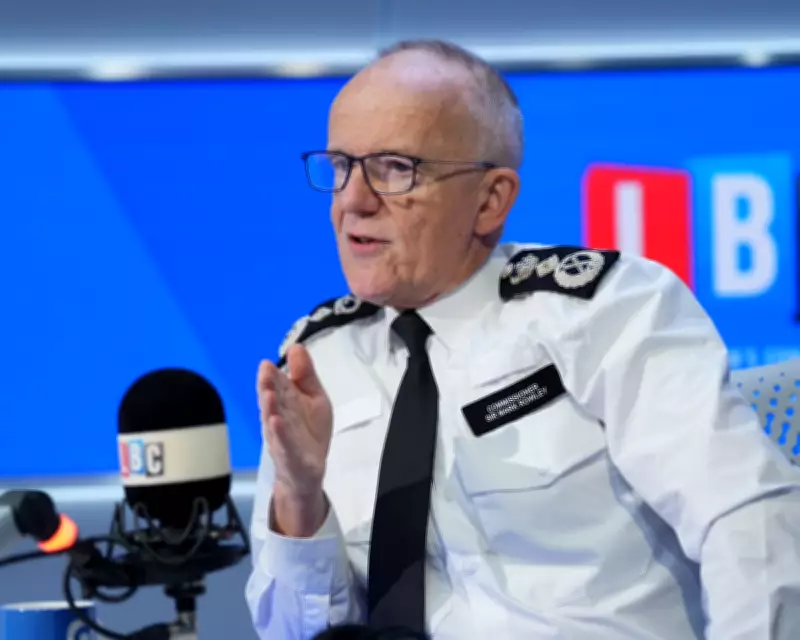
Met Commissioner Sir Mark Rowley defended the strategy shift at the London policing board, emphasizing that it does not diminish the focus on race. "One of those key areas for action will be in relation to black communities," Rowley said. He explained that the new approach aims to address intersectionality and systemic issues more effectively, rather than becoming "nonspecific and nontargeted."
Rowley also noted that diversity, equality, and inclusion (DEI) policies face increasing challenges globally, referencing political debates in the US and UK. "You can't do policing by consent if you're not an inclusive organization, particularly in a city with the complexity and global connectivity of London," he added.
Historical Context and Ongoing Concerns
The Met's history with race relations is fraught, highlighted by reports such as the Macpherson inquiry into Stephen Lawrence's murder in 1999 and the Scarman report in the 1980s. A 2023 report by Louise Casey found the force to be institutionally prejudiced against ethnic minorities, women, and homophobic. Critics argue that the new strategy risks losing focus on anti-black racism, which has been a persistent issue for the police service.
Daniels criticized the Met for "reshaping the truth" and using delaying tactics, such as calling for more research on stop-and-search disparities. "They already know," she said, pointing to decades of reports. "They have 50 years' worth of reports."
Potential Risks and Future Steps
A Met document presented to the London policing board acknowledged that merging the race action plan into a wider strategy could risk losing focus on anti-black racism. The force plans to consult on the changes and claims there have been gains in trust from black communities since Rowley's appointment. However, the debate underscores the ongoing struggle to reform policing practices and build trust in diverse communities across London.