
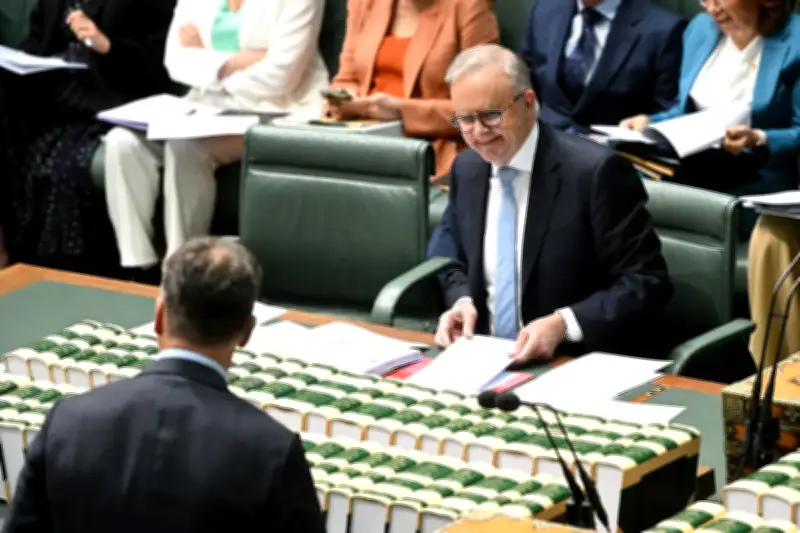
The major parties in the federal parliament have formed a "not so grand coalition" to prioritize political survival over community concerns, uniting on at least three key issues against the expressed desires of voters, according to former independent MP Zoe Daniel.
Daniel, writing in a recent opinion piece, highlighted that Labor and the Coalition joined forces to block reforms on gambling, disability (NDIS), and the power of digital companies. This collaboration, she argues, is a stark indication that the two-party system is failing to represent the electorate.
Three Instances of Bipartisan Defiance
Daniel cites three specific instances where the major parties aligned to override public opinion. On gambling, the government and opposition struck a deal that Daniel describes as a "half arsed 'solution'" to the recommendations of the Murphy report. The Coalition claimed it "strengthened" the package, but Daniel notes these tweaks are even less ambitious than those proposed by Peter Dutton before the last election.
Similarly, on the NDIS and media diversity, Labor chose to deal with its nominal "enemy" rather than with the crossbench, which had proposals that better reflected public sentiment. This pattern, Daniel argues, shows a preference for political expediency over meaningful reform.
Voter Disillusionment and the Rise of Alternatives
Daniel points to the declining vote share of the major parties, now down to about 50% in total, as evidence of growing disillusionment. She notes that voters across the spectrum are "sickened at the literal death toll from gambling harm" and the impact on communities, with money flowing from local areas into the coffers of multinational gambling companies, big sport, and big broadcasting.
The former independent MP for Goldstein suggests that this "coalition of convenience" reinforces the sentiment that the system has nothing for ordinary Australians. She warns that this could drive more voters toward alternatives like One Nation or independents, who offer "transparency and accountability."
A Broken Contract Between People and Power
Daniel draws a parallel with the political situation in Germany, where a similar grand coalition has struggled to satisfy voters and fend off the rise of the far-right AfD. She argues that the major parties are "safeguarding their collective mediocrity" rather than collaborating to meet the challenges of the moment.
She concludes that if democracy is a contract between people and power, that contract is broken, and "we will all wear the consequences." The article reflects a growing concern about the health of democratic representation in Australia, as the major parties continue to lose trust and support.




