Cross-Party Peers Sound Alarm Over Council Publicity Rule Changes
Members of the House of Lords from Labour, Liberal Democrat, and Conservative parties have issued a stark warning that proposed alterations to council regulations could severely undermine community transparency. The peers are urging a reconsideration of planned changes to how local authority restructures are announced, fearing they will leave residents uninformed and reduce democratic scrutiny.
Current System Under Threat
At present, it is mandatory for councils to publish public notices about structural changes in local newspapers. However, under the English Devolution and Community Empowerment Bill, this requirement would be abolished, giving local authorities discretion over how they publicise such information.
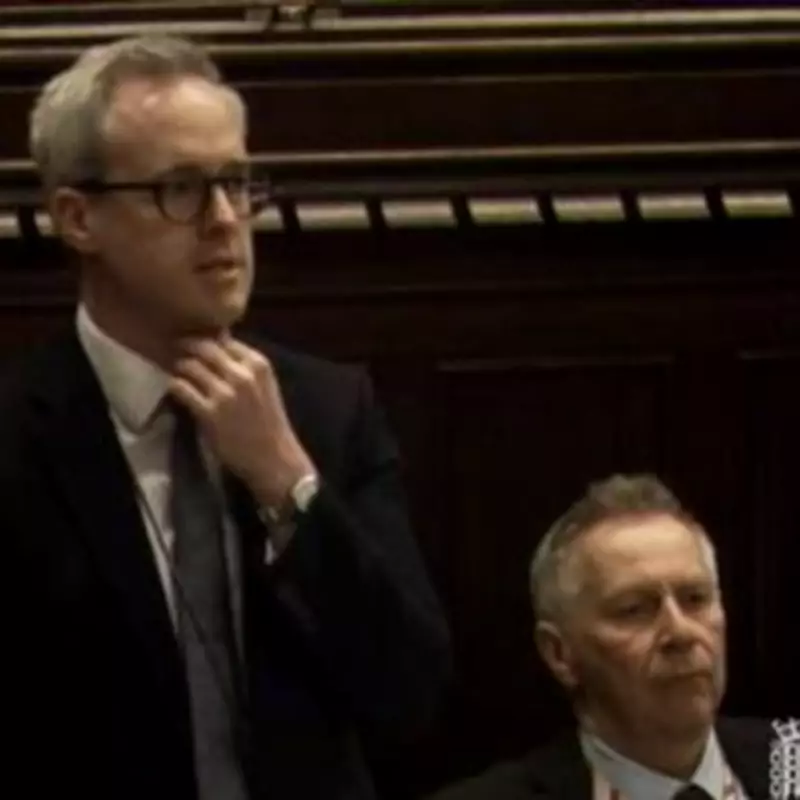
Lord Parkinson, a former Conservative whip, delivered a passionate defense of the current system during parliamentary proceedings. "Local newspapers remain a crucial source of information for people across our country," he stated. "Indeed, the local news sector reaches approximately 42 million people."

Vital Information Channel for Millions
Lord Parkinson emphasized that for many residents, local publications represent more than just a preferred medium—they serve as the primary and most trusted means of receiving local news and democratic information. "In many cases, were it not for these local newspapers, the information would simply not be accessible," he warned.
The peer expressed particular concern about the timing of these changes, noting they come during a period of extensive local government reorganisation. "The Government's decision to disconnect people from this information could leave numerous local residents uninformed," he cautioned.
Cross-Party Support for Amendment
Lord Parkinson has proposed a cross-party amendment advocating for the continuation of notices in local newspapers. Labour peer Lord Bassam echoed these concerns, stating: "It would be a shame if local authorities were not obliged to publish notices in the way they have historically."
Lord Bassam appealed to government ministers, saying: "I hope the Minister can offer us some comfort and encouragement, and perhaps say that we should do more to stimulate local news services. This is one practical measure that the Government should actively consider."
Industry Leaders Voice Concerns
Lord Black, who presides over the News Media Association, raised serious objections to the proposed changes. "Giving local authorities the power to flag important issues simply as they see fit hands them a wide-ranging ability to keep decisions secret," he argued.
He warned that this could shield decisions from large swathes of the public who still rely on published local media for information. Lord Black highlighted that approximately 2.4 million people with limited internet access depend on local newspapers for civic information.
Digital Exclusion Concerns
Lord Faulks reinforced this point, noting: "There are lots of people of a certain age who are digitally challenged—I think that is the euphemism used—who like local newspapers and think they are important."
The peers collectively emphasized that while digital transformation is important, it should not come at the expense of excluding significant portions of the population from vital democratic information. They argued that local newspapers serve as an essential bridge between councils and communities, particularly for older residents and those without reliable internet access.
The proposed changes have sparked broader concerns about transparency in local governance and the role of traditional media in democratic processes. As the debate continues, peers from across the political spectrum are calling for a more balanced approach that maintains public access to crucial information about council restructuring and other significant local changes.